


If elite athletes like Cristiano Ronaldo rely on Sunlighten for recovery, we’re inclined to test it. We trialed the infrared sauna during high-intensity training at No1BootCamp to gain firsthand insight into effective recovery.
WATCH our video analysis of the Sunlighten sauna following our one-week training session at No1BootCamp here.
In a hurry? Here are the key takeaways:
- Infrared sauna exposure supports recovery through: Thermoregulation, increasing core body temperature, improving circulation, and inducing cardiovascular responses comparable to moderate exercise.
- Multi-wavelength infrared technology (near, mid, far): Enables both heat-based and cellular-level effects, including potential mitochondrial activation and improved recovery efficiency.
- Objective tracking combined with subjective outcomes:Suggests reduced muscle soreness and improved recovery within 24 hours, reinforcing its role as a complementary recovery tool, not a standalone solution.
Training and recovery go hand-in-hand. To properly conduct a field-based evaluation of Sunlighten’s infrared sauna, I participated in a full-week, high-intensity training at No1BootCamp from March 15 to March 20. The goal was to examine thermophysiological responses, recovery markers, and detoxification pathways relevant to sports medicine.
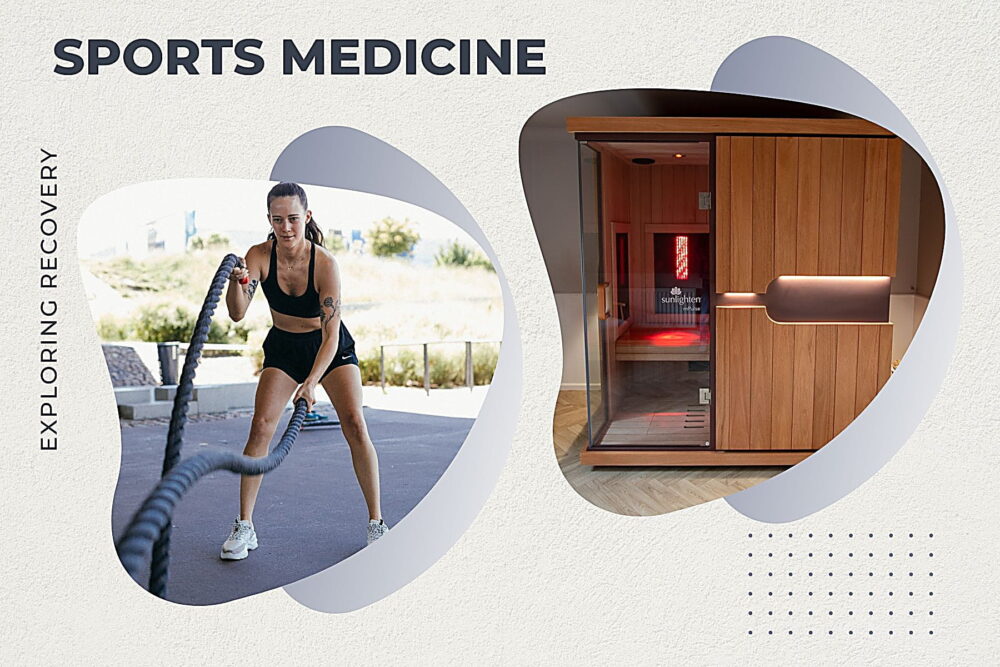
In line with sports medicine, which involves prevention, diagnosis, treatment, and rehabilitation of injuries related to sports and physical activity, the team at No1BootCamp rely on the latest technologies, science, and vast experience as prior military trainers. On the recovery side, management equipped the boot camp with an ice bath and, more recently, a Sunlighten infrared sauna.
The latest addition sparks a few questions: Why is heat therapy a staple in sports recovery? What’s the difference between infrared and traditional sauna physiology? What role does an infrared sauna play in activating the mechanisms of thermoregulation? Does it truly boost muscle oxygenation and save energy for muscles, resulting in better performance?
Let’s see if we can answer these questions by diving into the structure implemented at No1BootCamp and the use of the infrared sauna as a recovery therapy.
READ: [Genetics] Bystro AI Goes Beyond ChatGPT Health with “What Comes Next” in an Individual’s Healthcare
Sports Medicine at No1BootCamp: Technology, Science, and Experience
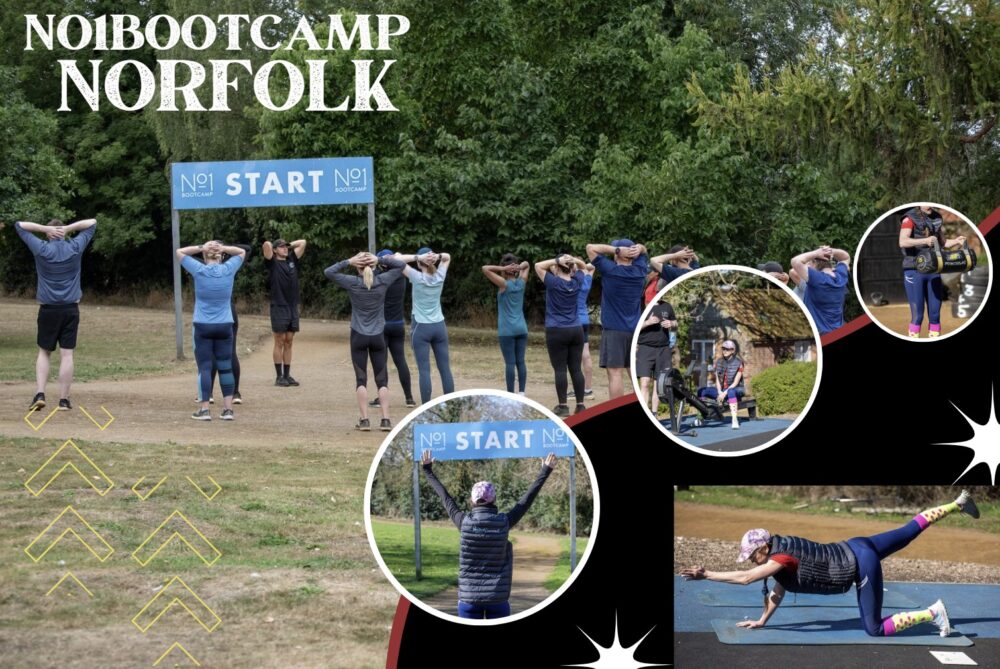
Upon arrival, participants such as myself had a one-on-one, in-depth conversation with the chief instructor Gee Leary to discuss lifestyle, goals, and current conditions. He spent 40 minutes covering these details with each person. Following our discussion, he directed me to the InBody 970S machine for a full-body analysis. At this time, he explained the importance of balanced meals in relation to workout and recovery. Head Chef Matty, he said, would prepare healthy meals specific to each participant, focused on their daily requirements and eating goals. The InBody analysis would occur again mid-week and at the end of the week.
Chief Instructor and former Royal Marine, Gee Leary spends equal time listening to participants, educating them, and motivating them throughout the sessions. In our opening session, he directed us through a physical assessment. It provided him with information on how to assist each participant. As one in eight participants, I could sense the reservation in a few others’ composure, similar to my own, but Gee added a splash of fun mingled with inspirational intensity that had us laughing at times.
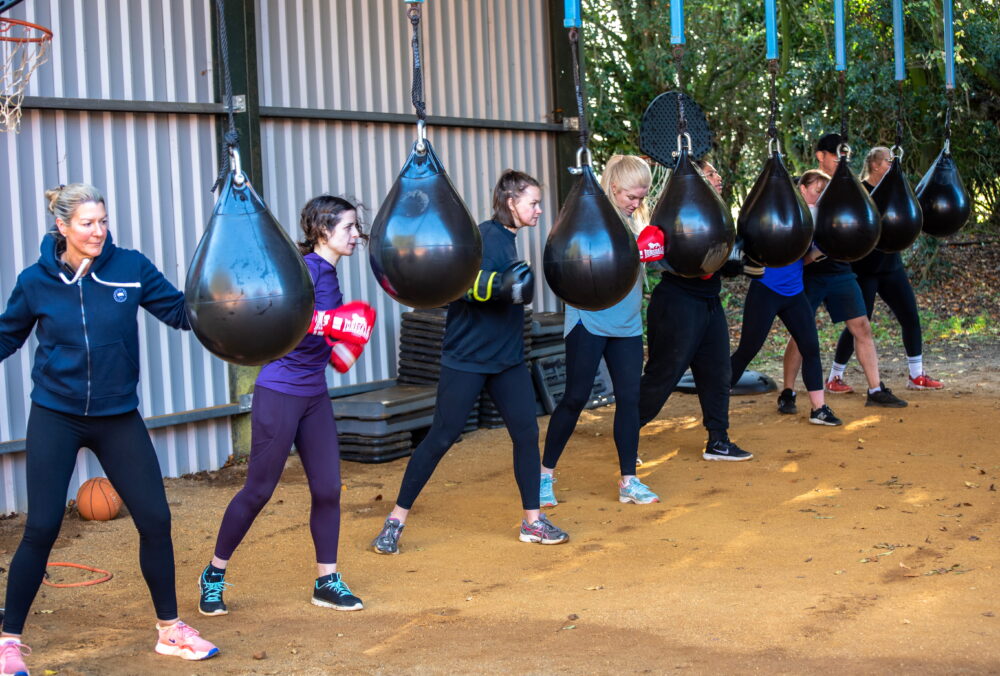
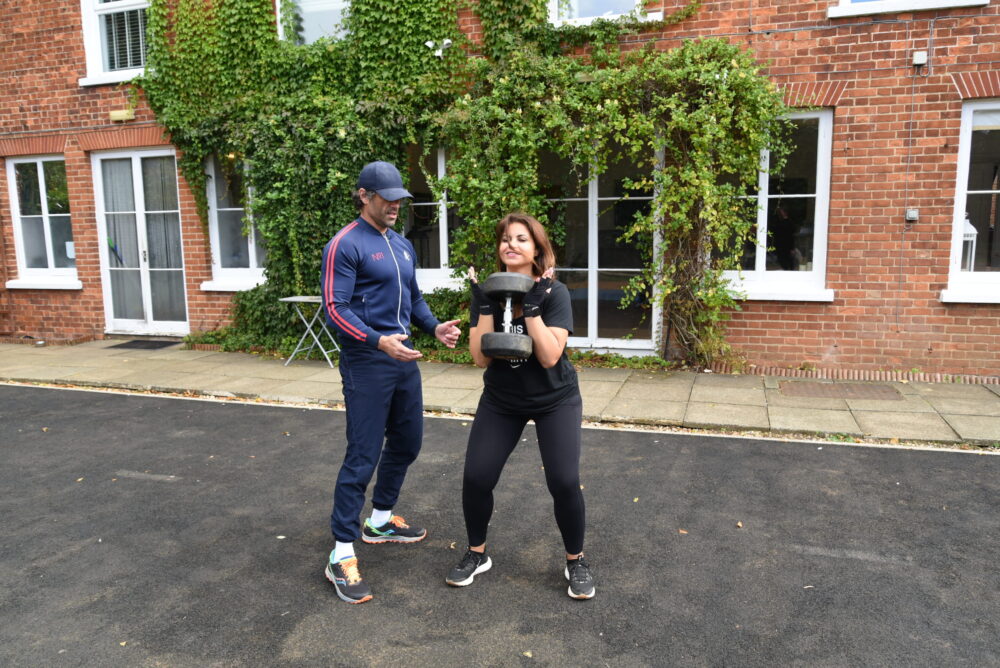
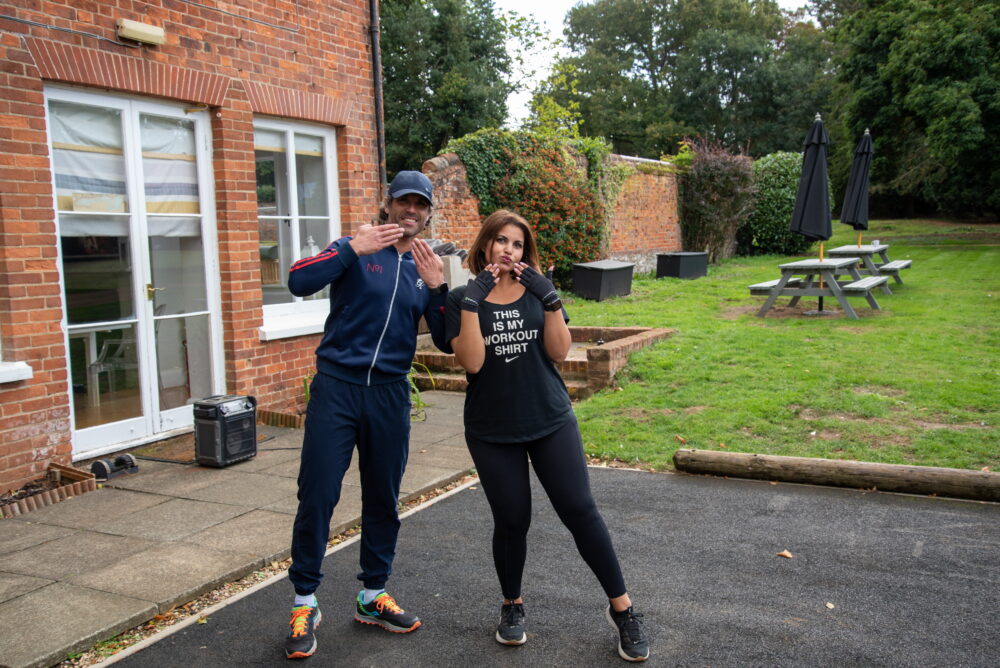
Mornings consisted of a 90-minute workout session at 7 am, with proper pauses between the segments to lower heart rates when appropriate. Breakfast at 9 or 9:30 am followed by a short break and the next session at 10:30 am. Lunch at 1 pm followed by a short break and the next session at 2:30. Training days always concluded by 5 pm. Gee dedicated certain slots to education, showing an explanatory video about the InBody machine in one slot and answering questions we had.
The 970S is the most updated generation of InBody technology, equipped with 3 MHz technology and a new ergonomic design. It serves a wider range of patients and medical specialties. We’ll provide more details in the section on our recovery and workout accounts. In addition to the InBody 970S composition analyser, the team recommended observing data from a Myzone heart-rate watch. These technologies assist the coaches, seeking to tailor the sessions for each person, and the participants, aiming to push their limits but refrain from overdoing a session.
The team executes the steps of sports medicine perfectly by combining medical knowledge with exercise science. This optimizes athletes’ performance while minimizing the risk of injuries.
READ: [Genetics] Bystro AI Analyzes DNA for Athletic Performance
The Science behind Infrared Sauna and Thermoregulation in Recovery
Infrared heat therapy has emerged as a credible modality in sports recovery, moving beyond wellness trends into applied physiology. Over the past five years, adoption has accelerated, driven in part by elite athletes such as Cristiano Ronaldo, an early user of Sunlighten technology. At its core, infrared exposure differs fundamentally from traditional sauna bathing.
“A traditional sauna provides heat by convection… with infrared, you’re combining heat and light therapy,” explains Joie Risk, Managing Director EMEA at Sunlighten.
Often described as a light therapy chamber, infrared systems use near, mid, and far infrared wavelengths, each interacting with the body at different depths. While mid and far infrared generate heat, near infrared contributes to photobiomodulation, influencing cellular activity.
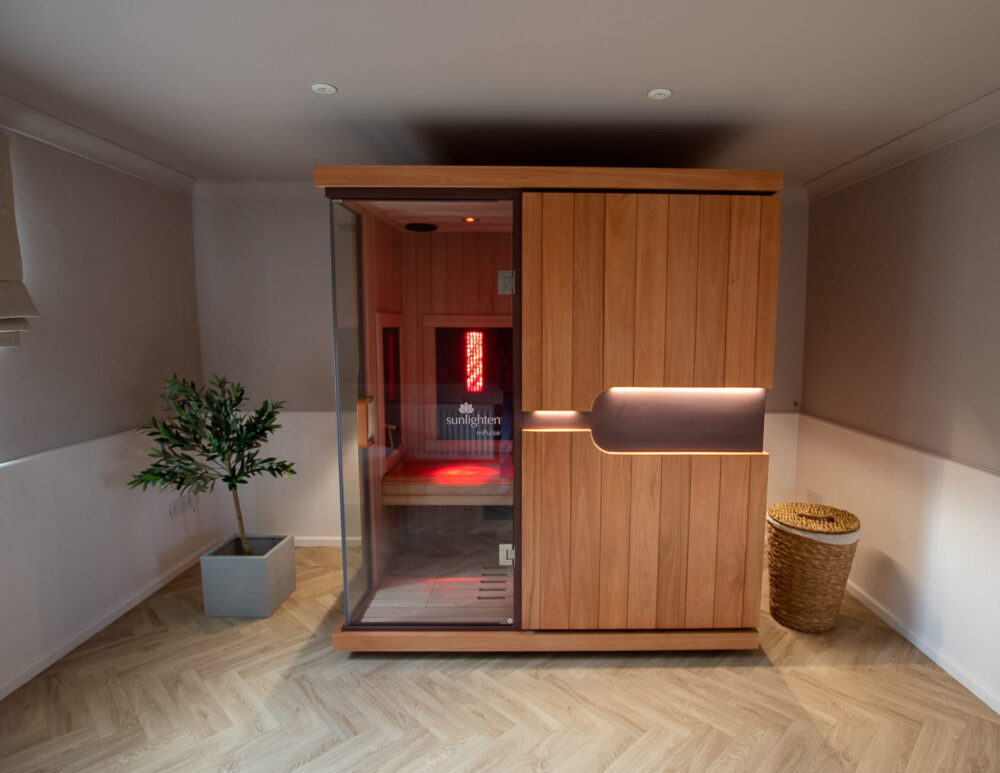
A combined, multi-wavelength approach is embedded in Sunlighten’s sauna design, and its “smart” edition allows users to select targeted programs—anti-aging, relaxation, or pain relief—via an integrated tablet interface. This level of personalization reflects a broader shift toward individualized recovery protocols.
Unlike traditional saunas that primarily heat the skin, infrared energy is absorbed more efficiently, contributing to a core temperature increase and driving thermoregulatory adaptation. Repeated exposure improves the body’s ability to dissipate heat, reducing physiological strain during exercise.
From a life sciences perspective, this induces peripheral vasodilation, enhanced circulation, and cardiovascular responses comparable to moderate exercise. At the cellular level, infrared exposure has been associated with mitochondrial activation, with Risk noting that:
“The absorption of the infrared into the cell is recharging the mitochondria.”
Together, these mechanisms position infrared therapy as a systemic, physiology-driven recovery tool, bridging thermoregulation, cellular function, and performance resilience.
READ: Infrared Light Therapy: Biochemical Cascade for Wellness
Firsthand Recovery and Workout Accounts
Testing the infrared sauna within the No1 Bootcamp environment offered a unique opportunity to observe recovery not just conceptually, but physiologically and personally.
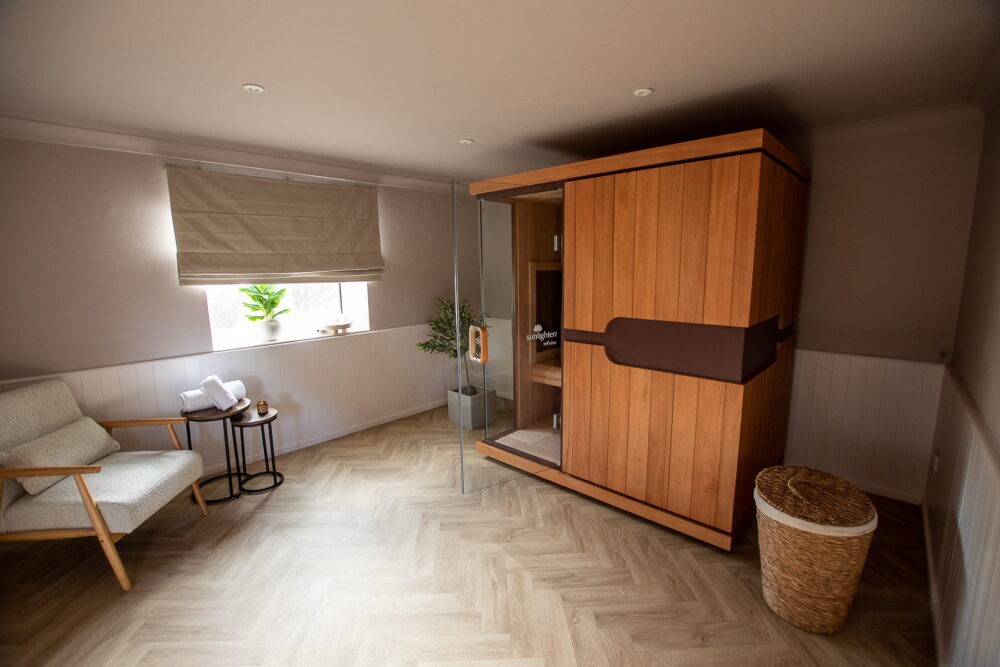
As a 40-year-old female participant, I followed a full week of high-intensity, structured workouts, with sauna sessions lasting 30 to 40 minutes, either immediately or within an hour post-exercise. The experience itself differed noticeably from traditional sauna use. The heat felt progressive and controlled, rather than overwhelming, with sweating developing more gradually over repeated sessions.
Inside the sauna, the tablet interface allowed me to alternate between settings, combining certain degrees of near, mid, and far infrared wavelengths depending on the recovery focus. This added a layer of intentionality for a more targeted intervention.
Using the InBody 970, I tracked key recovery indicators such as total body water, protein levels, skeletal muscle mass, and body fat composition. While specific values remain secondary, these markers are essential: protein reflects muscle repair capacity, while the balance between muscle mass and fat mass directly influences recovery efficiency and performance readiness.
Physiologically, I could sense a moderate rise in core temperature and a heart rate response consistent with moderate cardiovascular effort near the end of the session in the sauna. It suggests that the body remains actively engaged even during recovery.
“The body begins to adapt to the infrared effects, and users will start noticing these reactions earlier in the session,” Risk explained in response to the feedback I gave. “It can take a few weeks of using the sauna three times a week before this adaptation occurs.”
Subjectively, the most notable change was a reduction in muscle soreness and improved recovery perception within 24 hours, particularly after consecutive training days. When I left the camp, after a full week’s training, I barely had any muscle soreness.
Regarding sweat response in the sauna, initial sessions produced minimal sweating. This reinforces the idea that adaptation plays a role. As Joie Risk explains:
“Sweating very quickly is surface level [water-related]… whereas [infrared] is a productive sweat. It removes unwanted elements on a cellular level, such as heavy metals.”
From a clinical standpoint, sweat-mediated excretion of certain metabolic by-products—alongside trace xenobiotics—may complement primary detoxification pathways, though it remains a secondary mechanism. Overall, the experience highlighted a shift: recovery is no longer passive, but measurable, adjustable, and physiologically engaged.