


By Dr. Heather Levites, Board Certified Plastic Surgeon, Clinical Faculty at Duke University, & Owner at LevityLifts
For a long time, aesthetics had a pretty simple answer to aging: if something looked hollow or tired, we filled it. Patients got quick, visible results, and filler became the go-to solution for almost everything. But that’s not really where we are anymore. Patients are smarter now, and they’re paying attention. More than anything, they want to look like themselves, just a better, more rested version.
The Shift from Volume to Regeneration
At LevityLifts, that shift has felt less like a trend and more like a reset. Because the reality is, aging was never just about volume loss. It’s about changes in skin quality, collagen, elasticity, and how the tissue actually behaves over time. If you’re only replacing volume, you’re missing a big part of the picture.
That’s where regenerative aesthetics comes in. Instead of layering product to cover things up, we’re focusing more on how the skin functions at a baseline level. Fibroblasts, the cells that make collagen and elastin, are really at the center of this. As we age, they slow down, and everything else follows.
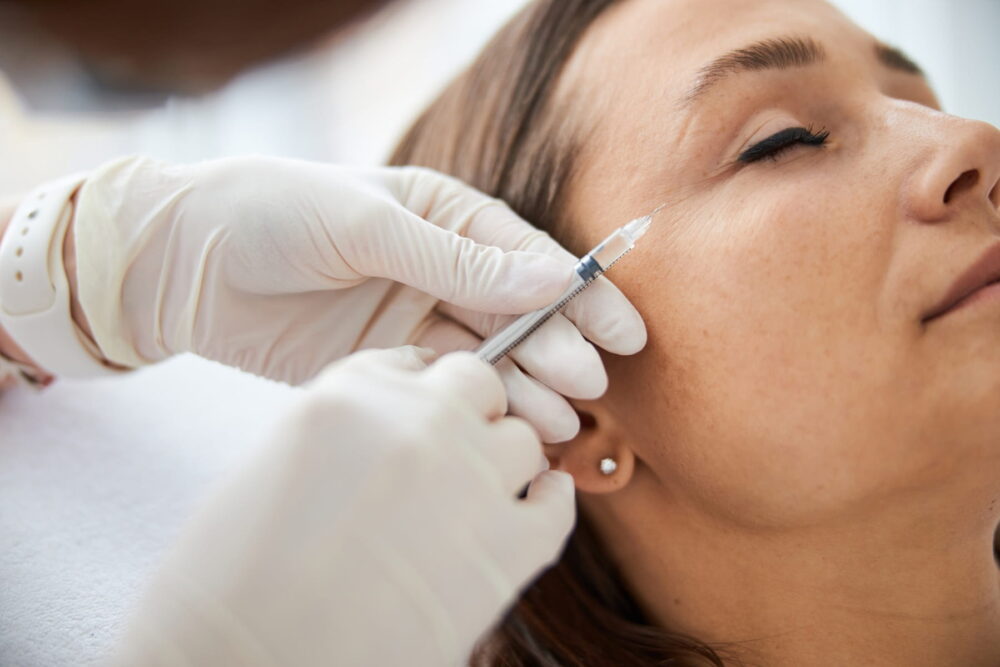
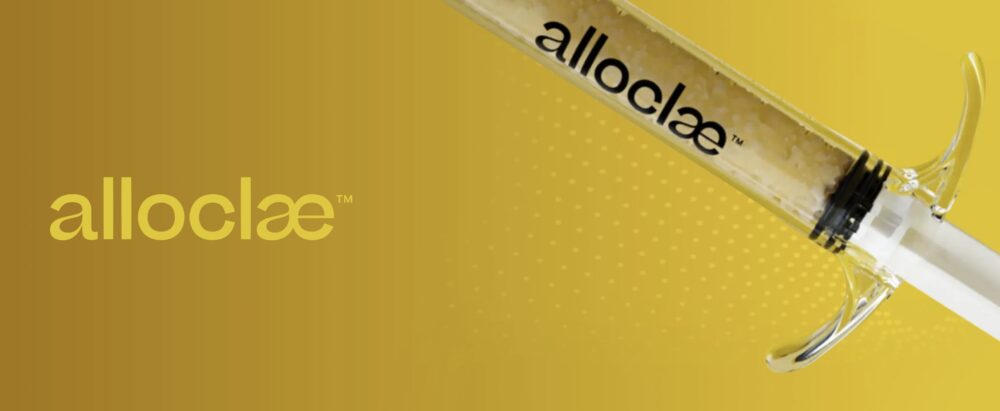
Now we have tools that actually stimulate those cells. Biologics like platelet-derived growth factor (PDGF) and adipose scaffolds like AlloClae are changing the conversation. They’re not about making someone look filled. They’re about helping the skin behave younger again.
And honestly, you hear it in how patients describe their results. No one says, “I look filled.” They say, “I just look better.” That’s the goal.
GLP-1 Weight Loss and the Earlier Move to Surgery
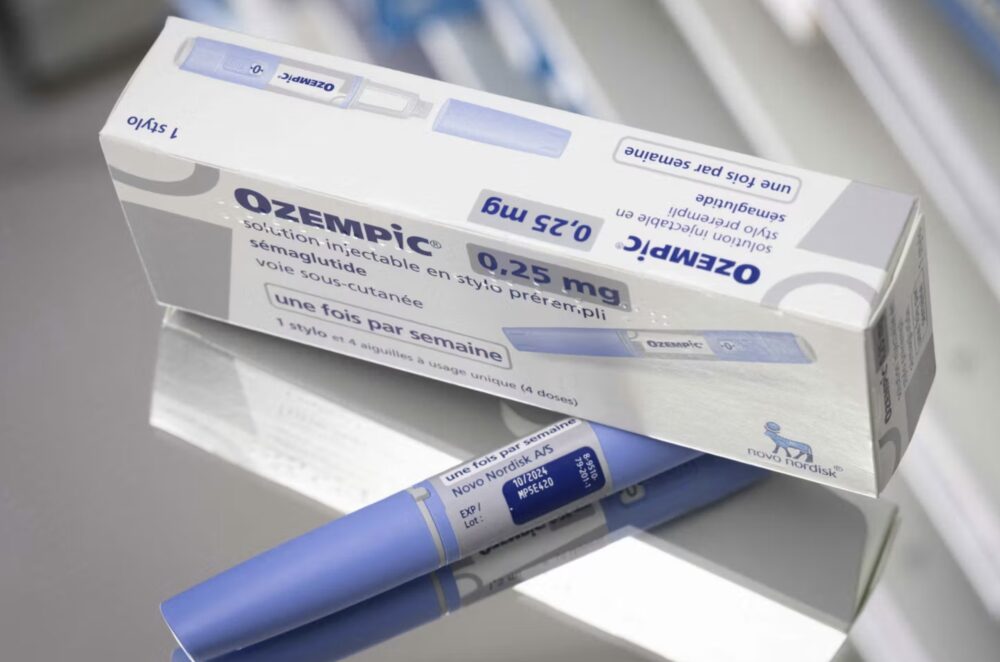
At the same time, we’re dealing with something new. The rise of GLP-1 medications like Ozempic has completely changed what facial aging can look like. We’re seeing faster, more dramatic weight loss, which is great for overall health, but it often shows up in the face first.
The midface flattens, the jawline softens, and skin laxity becomes more noticeable, sometimes pretty quickly. And while filler used to be the default fix, we’re realizing more and more that it’s not always the right answer here.
Because it’s not just about volume. It’s about structure. When you try to “fill” your way out of deflation and descent, things can start to look heavy or off. That overfilled look patients are trying to avoid? This is how it happens.
Because of that, more patients are open to surgery earlier than they used to be. Not in a dramatic way, but in a thoughtful, preventative way. Preservation facelifting, especially deep plane face and neck lifts, is coming up earlier in conversations, often in the late 40s or 50s, sometimes sooner, depending on what’s happening.
And when it’s done at the right time, it’s actually more subtle. You’re repositioning tissue before things get advanced, so the result looks natural, not overcorrected.
The idea is preservation, not transformation. You still look like yourself. You just look like you’ve been sleeping well, drinking water, and somehow aging better than everyone else.
That’s really the sweet spot.

A More Strategic Role for Fillers
All of this has changed how we think about fillers too. We used to think of hyaluronic acid fillers as completely temporary, but we now know they can stick around longer than expected in some patients. Even when we dissolve them, it’s not always a perfect reset. And over time, repeated cycles can start to affect the tissue.
So, both patients and injectors are being more intentional.
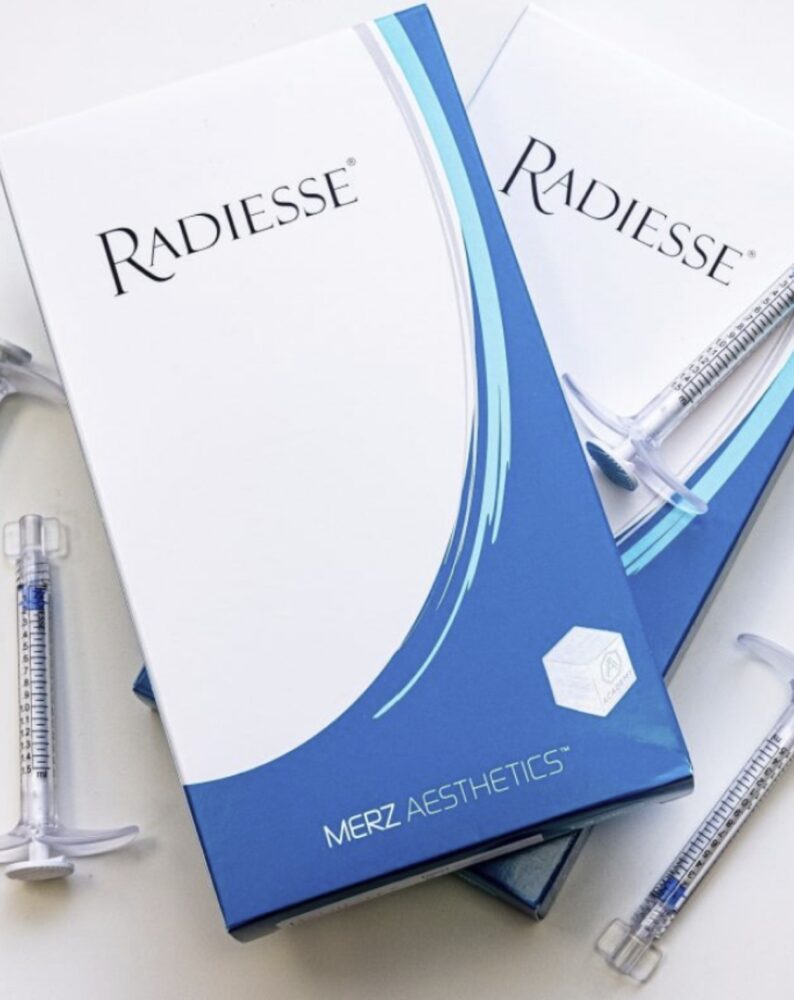
When we do use fillers, there’s been a big move toward biostimulatory options like Sculptra and Radiesse. These don’t act like traditional fillers. They work more gradually by stimulating collagen, so the improvement is softer and more diffuse.
That said, they’re not plug-and-play, and placement matters a lot. These products need to be used thoughtfully, typically in more superficial planes and in a controlled way by someone who understands both anatomy and the long game.
Because here’s the part that doesn’t get talked about enough: What you do today affects what you can do later. Deep plane facelifting relies on clean, natural tissue planes. If those planes are filled with dense or poorly placed product, surgery becomes more difficult, and results can be impacted.

That’s why the approach now is much more strategic. It’s not about doing more. It’s about doing what actually makes sense over time.
At LevityLifts, that’s really the focus. Sometimes that means less filler. Sometimes it means surgery a little earlier. And often it means combining treatments in a way that feels intentional, not reactive.
At the end of the day, patients don’t want to look different. They want to look like themselves, just consistently good over time.
And that’s exactly where aesthetics is headed.
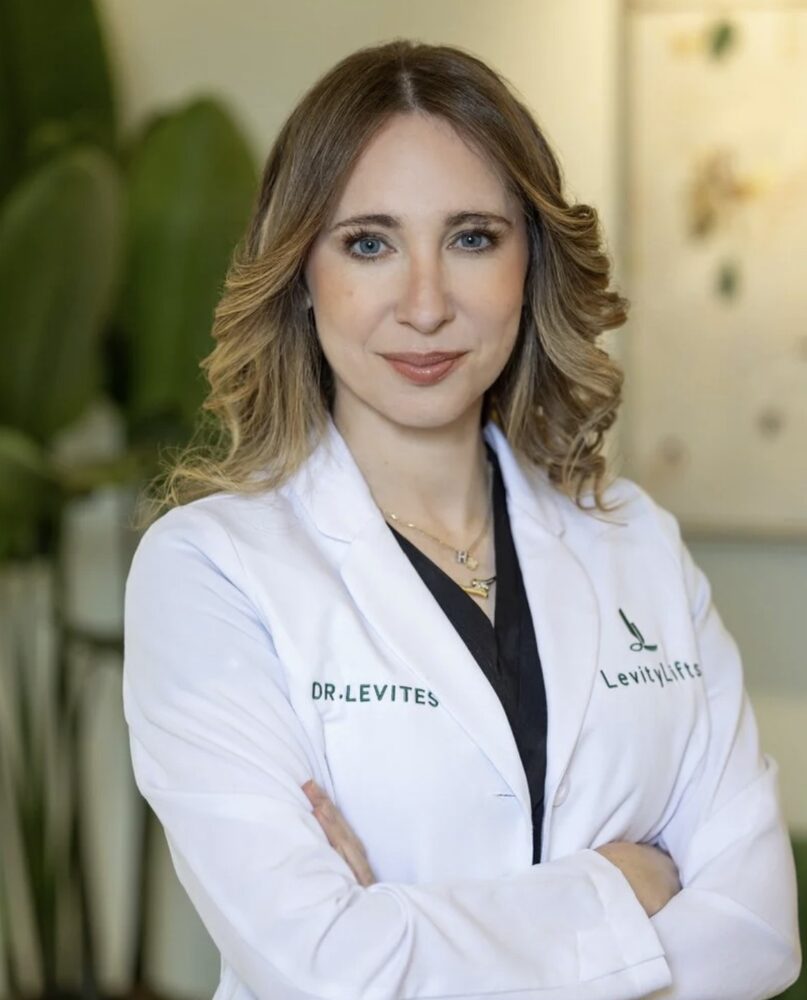
Dr. Heather Levites
Board Certified Plastic Surgeon, Clinical Faculty at Duke University, & Owner at LevityLifts
Dr. Heather Levites is a Board Certified Plastic Surgeon with a special interest in advanced cosmetic surgery. She earned her undergraduate degree at MIT after attending an arts high school in New York City. She earned her MD from the State University of New York at Stony Brook, and completed her plastic surgery training at Duke University. She went on to complete an additional fellowship year of specialized training in aesthetic surgery in Charlotte.