



Michael Riddle Jr, MD, of Mesogen, discusses precision stem cell reprogramming that enables next-generation regenerative medicine.
This article is written by Michael Riddle Jr, MD
Regenerative medicine is entering a transformative phase driven by advances in stem cell reprogramming, scalable laboratory automation, and high-resolution bioanalysis. At Mesogen, my work is focused on developing autologous [patient’s own cells] stem cell technologies that address two of the most significant and persistent global health challenges: Diabetes and Degenerative Vision Loss.
Our approach centers on autologous mesenchymal stem cells, or MSCs, derived directly from a patient’s own bone marrow. These cells provide a biologically compatible and practical foundation for regenerative therapies because they can be harvested and reintroduced without provoking immune rejection. By using a patient’s own cells, we eliminate the need for long-term immunosuppressive therapy, which remains a major limitation in many current transplantation strategies.
MSCs possess a unique combination of self-renewal capacity, anti-inflammatory signaling, and the ability to differentiate into multiple specialized cell types when exposed to precise biochemical conditions. At Mesogen, we have developed proprietary, multi-stage differentiation protocols supported by advanced laboratory analytics that allow us to guide these cells into disease-specific functional populations. For example, we can direct MSCs toward pancreatic progenitors and insulin-producing beta-like cells, or toward neural progenitors that mature into retinal pigment epithelium, or RPE, cells.
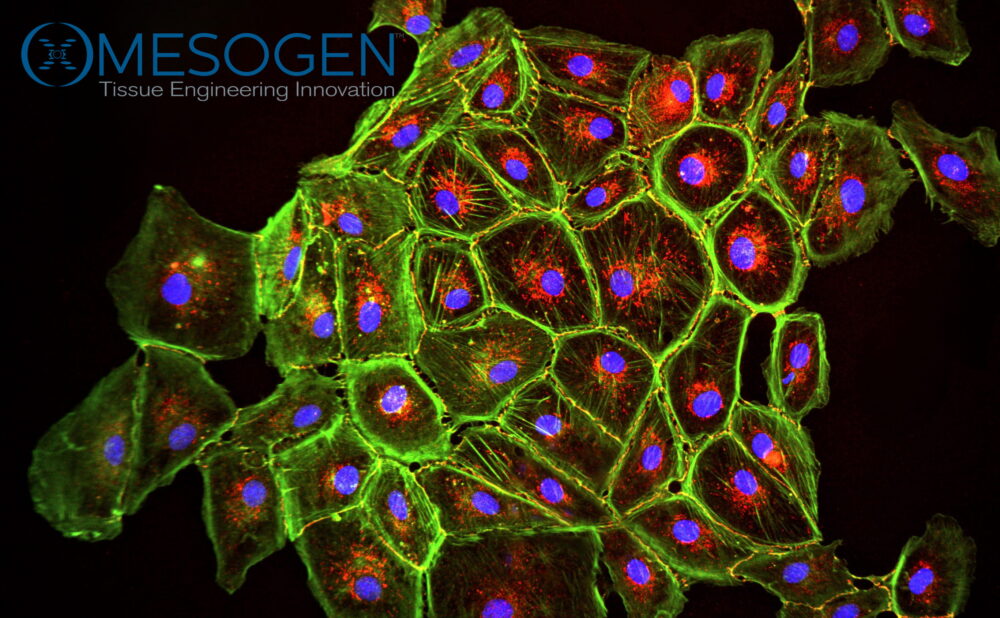
This work reflects a broader shift in regenerative medicine toward automated, reproducible workflows. We rely heavily on transcriptomic analysis, immunohistochemical staining with fluorescence imaging, and molecular characterization. Through RNA sequencing and gene expression profiling, we confirm that differentiated cells adopt new functional identities distinct from their original MSC state, allowing for rigorous validation before any clinical application.
At Mesogen, I view these technologies not as isolated research efforts, but as part of a unified regenerative platform designed to produce personalized therapeutic cells at scale while maintaining clinical-grade consistency.
Autologous Beta-Like Cell Therapies Offer a New Path Toward Insulin Independence
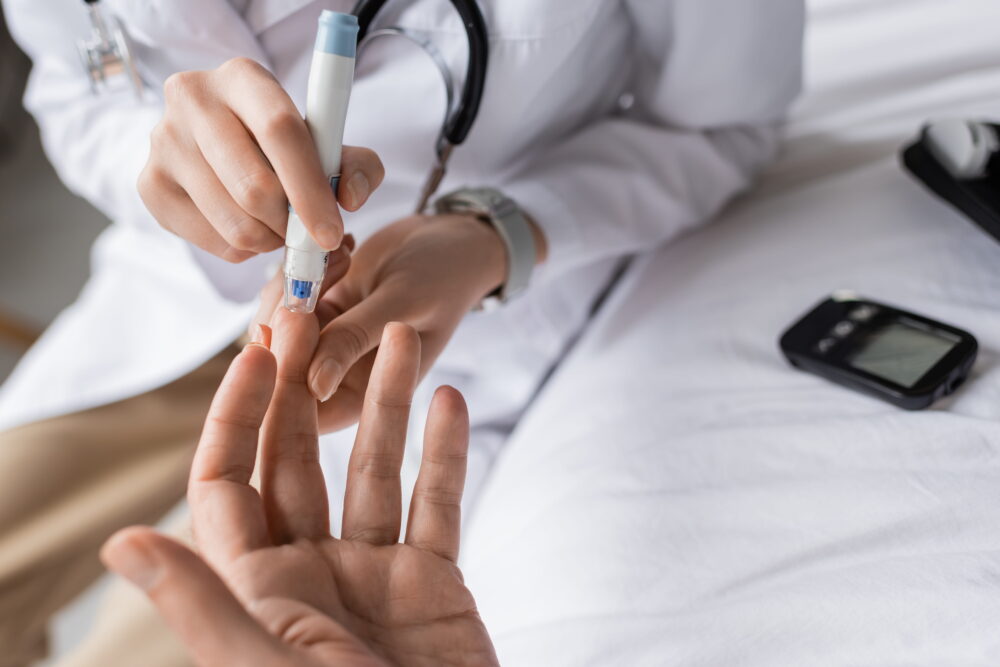
Type 1 diabetes remains one of the most persistent global health challenges, driven by autoimmune destruction of pancreatic beta cells and the resulting lifelong dependence on insulin therapy. Patients typically require multiple daily injections, continuous glucose monitoring, and ongoing medical management, creating both medical and economic burdens.
Mesogen’s diabetes research program aims to shift treatment from management to restoration. Using bone-marrow-derived MSCs collected from the patient, the company has developed a guided differentiation process capable of producing insulin-secreting beta-like cells. These engineered cells demonstrate glucose-responsive secretion of both insulin and C-peptide in laboratory testing, indicating functional metabolic behavior similar to native pancreatic cells.
Importantly, transcriptomic analysis suggests these beta-like cells differ phenotypically from conventional pancreatic beta cells in ways that reduce susceptibility to autoimmune targeting. This raises the possibility of longer functional survival after transplantation compared with donor-derived or embryonic-cell-based therapies.
Mesogen complements its cellular engineering with an injectable scaffold system that encapsulates the differentiated cells in a biomaterial containing vascularization-supporting agents. The scaffold is designed to promote rapid integration with the host’s vasculature following subcutaneous implantation, enabling a minimally invasive delivery method without major surgery.
From a laboratory technology perspective, this therapy highlights the importance of integrated automation pipelines that include cell isolation, MSC expansion, differentiation control, cryopreservation, and molecular quality testing. These processes rely heavily on advanced culture monitoring, ELISA-based functional assays, sequencing platforms, and reproducible GMP protocols, technologies that continue to evolve across life-science instrumentation markets.
Ultimately, my team and I are working toward the goal of reducing and potentially eliminating the need for insulin in patients with type 1 Diabetes.
Engineered RPE Cell Patches Advance Curative Strategies for Macular Degeneration
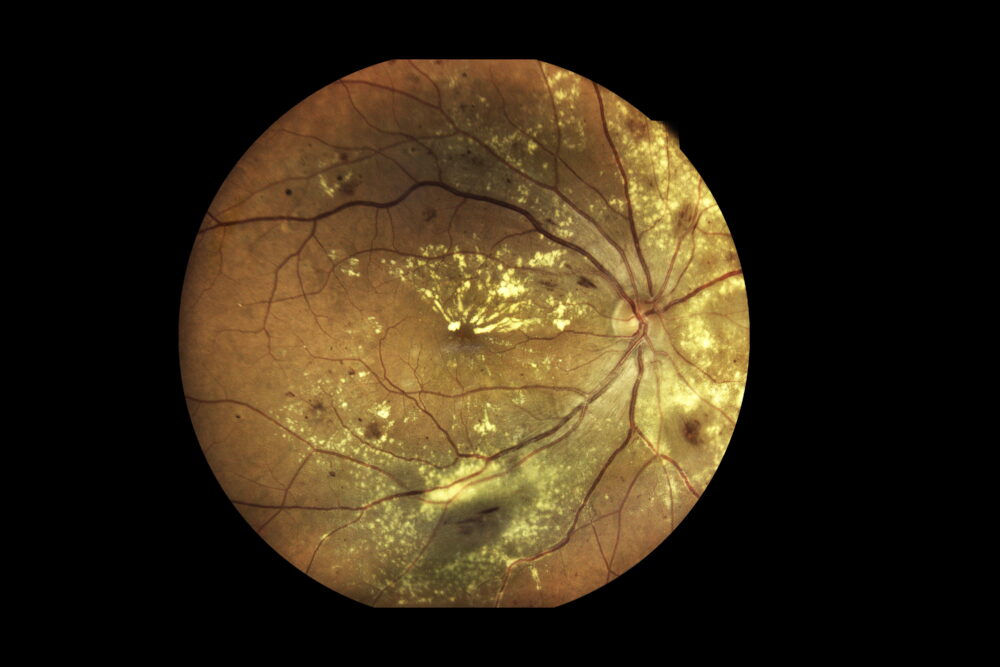
Alongside diabetes, degenerative retinal disease represents another major focus for Mesogen. Age-related macular degeneration (AMD) is a leading cause of vision loss, driven by dysfunction and death of retinal pigment epithelium cells that support photoreceptors and maintain retinal health.
Current therapies primarily slow progression rather than replace damaged tissue. Mesogen’s strategy, guided by Dr. Riddle’s regenerative medicine program, seeks to restore retinal function through transplantation of autologous MSC-derived RPE cells.
The company’s differentiation process isolates MSCs and guides them through neural progenitor stages into mature RPE cells. These engineered cells express critical markers such as MITF, ZO-1, and RPE65, and demonstrate functional activity, including phagocytosis of photoreceptor outer segments, indicating their biological suitability for retinal repair.
To support implantation, Mesogen integrates the cells onto a biocompatible absorbable PLGA nanofiber patch. Because RPE must function as a polarized monolayer, the scaffold preserves cell orientation and junction integrity during transplantation. As the PLGA substrate gradually degrades, the patient-derived RPE layer remains integrated into the retinal environment.
This engineered patch addresses a major limitation of earlier approaches using injected cell suspensions, which often failed to reconstruct the structured RPE layer necessary for visual function. By combining autologous cell engineering with biomaterial design, Mesogen’s platform aims to move retinal therapy beyond disease stabilization toward functional restoration.
The development pipeline for such therapies relies heavily on Immunohistochemical staining with fluorescence imaging, automated imaging systems, transcriptomic validation tools, and standardized statistical analysis workflows. These technologies are central to modern bioanalysis and lab automation, aligning with broader industry trends showcased across international exhibitions and research conferences.
Shaping the Next Generation of Therapeutic Innovation
I see the future of regenerative medicine being shaped by the integration of autologous stem cell engineering, biomaterial scaffolding, and advanced molecular analytics.
At Mesogen, we are demonstrating how a single patient-derived stem cell source can be transformed into multiple therapeutic cell types, addressing two of the most significant chronic disease burdens of our time: diabetes and vision loss.
By combining scalable laboratory workflows with precise differentiation protocols and rigorous bioanalytical validation, we are working to transition personalized regenerative therapies from experimental concepts into clinically deployable solutions.
For me, this is not just scientific progress. It is a fundamental shift in how we think about treating chronic disease, moving from lifelong management to restoration and, ultimately, cure.
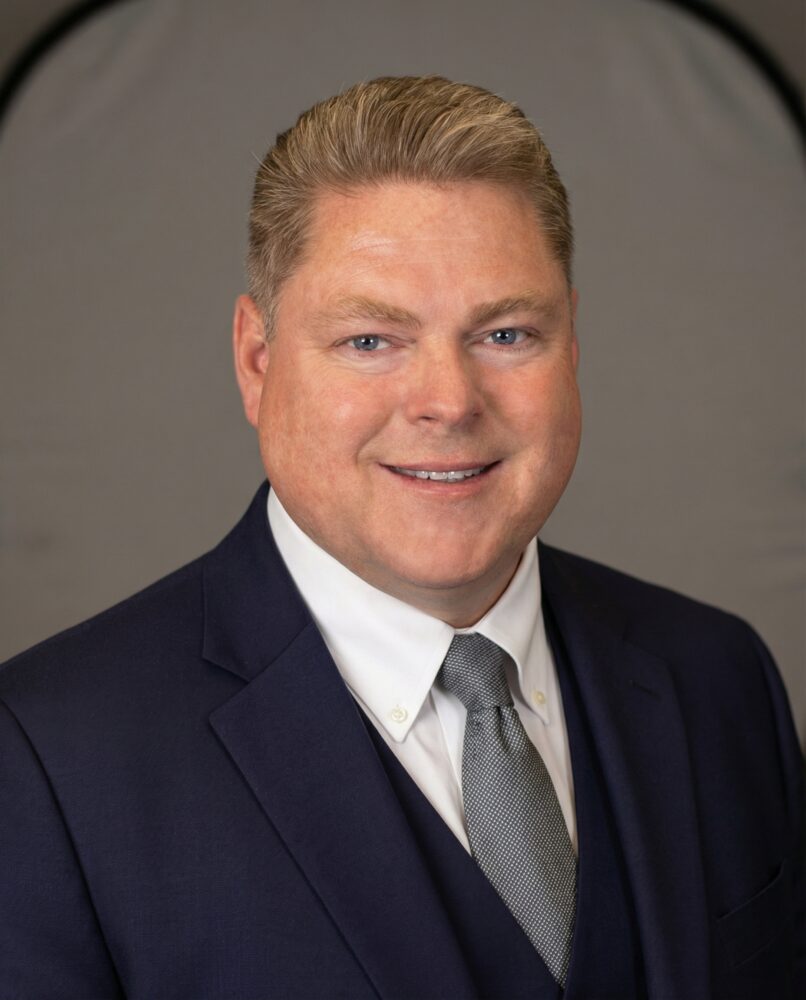
Michael Riddle Jr, MD
Michael Riddle Jr, MD, graduated from UTMB School of Medicine in July 2012. He has an extensive laboratory background in clinical and molecular laboratories with over 30 years of laboratory experience. Research projects include lung, kidney, heart, and heart valve regenerative medicine research. He designed and built the World’s first large lung bioreactor to grow large pig and human lungs. At UTMB in Galveston, Texas, his bioreactors were used to grow six engineered lungs successfully transplanted into pigs. His bioreactor was also used at UTMB to grow the first human lung in the laboratory using a bioscaffold and stem cells.