



By Dr. Thomas Su, owner and cosmetic surgeon of Artistic Lipo.
For decades, aging was viewed primarily as an unavoidable, time-driven decline. Wrinkles, joint stiffness, memory changes, and cardiovascular disease were accepted as natural consequences of growing older. Today, advances in cellular biology and immunology are reframing that narrative. Increasingly, researchers recognize that chronic inflammation is not simply associated with aging but is one of its primary biological drivers.
This concept, often described as “inflammaging,” reflects the persistent, low-grade inflammatory state that develops over time. Unlike acute inflammation, which is protective and necessary for healing, chronic inflammation quietly disrupts tissues, impairs immune balance, and accelerates cellular damage. Over time, this inflammatory burden compounds, influencing nearly every organ system.
Research supported by the National Institute on Aging highlights how sustained inflammatory signaling contributes to oxidative stress, mitochondrial dysfunction, telomere shortening, and DNA instability. Over time, these disruptions impair tissue repair mechanisms and reduce cellular resilience. The result is a gradual loss of regenerative capacity that manifests as age-related disease.
This emerging understanding has shifted the focus of longevity science. Rather than viewing aging as purely chronological, researchers are examining how inflammation alters biological age at the cellular level. If inflammation is the underlying mechanism driving decline, then regenerative medicine becomes central not as a cosmetic intervention, but as a strategy to restore balance within the body’s repair systems.
Chronic Inflammation: The Silent Accelerator of Aging
Chronic inflammation operates subtly but persistently. It does not present as visible swelling or redness, but as ongoing immune activation that gradually disrupts cellular communication. This sustained inflammatory state contributes to the accumulation of senescent cells, sometimes referred to as “zombie cells,” which no longer function properly yet continue releasing pro-inflammatory cytokines.
These inflammatory signals create a feedback loop. Damaged cells produce inflammatory mediators, which in turn damage surrounding tissue, accelerating further dysfunction. Over time, this cycle becomes a major contributor to cardiovascular disease, osteoarthritis, neurodegenerative disorders, metabolic syndrome, and immune dysregulation.
Scientific literature published in journals such as Nature Reviews Molecular Cell Biology emphasizes how inflammation alters stem cell niches, impairs tissue regeneration, and weakens structural integrity across multiple organ systems. In the skin, chronic inflammation contributes to collagen breakdown and loss of elasticity. In the vascular system, it promotes plaque formation and endothelial damage. In the brain, inflammatory pathways are linked to cognitive decline.
Importantly, chronic inflammation often precedes visible disease. By the time structural damage is detectable, inflammatory imbalance may have been present for years. This understanding reframes aging not as a passive deterioration but as an active biological process driven by immune dysregulation.
Addressing inflammation, therefore, is not simply about symptom relief. It is about interrupting the cycle at its source and restoring cellular communication before irreversible degeneration occurs.
From Anti-Aging to Age Reversal: The Emerging Regenerative Model
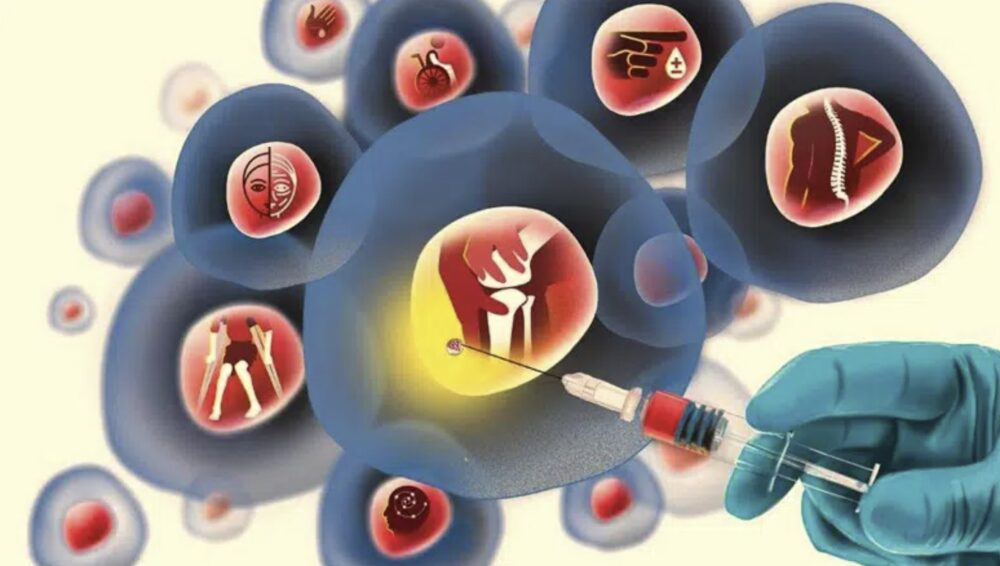
As inflammation has become recognized as a primary driver of aging, stem cells have emerged as central players in regenerative and anti-aging medicine. Stem cells possess the unique ability to self-renew and differentiate into specialized cell types, enabling tissue repair and restoration of damaged structures.
Modern regenerative approaches increasingly focus on autologous therapies that use a person’s own cells. This reduces immune rejection risk and aligns treatment with the body’s inherent biological systems. Among the most promising are Very Small Embryonic-Like Stem Cells, or VSELs, pluripotent cells naturally present in adult blood that demonstrate broad regenerative potential.
Clinical findings from Dr. Todd Ovokaitys indicate that a single VSEL stem cell session has been associated with an average three-year reversal in biological age markers. According to his data, undergoing treatment quarterly, every three months for two consecutive years, has been correlated with cumulative biological age improvements approaching fifteen years. These findings further support the expanding role of regenerative medicine in redefining what is possible in healthy aging.
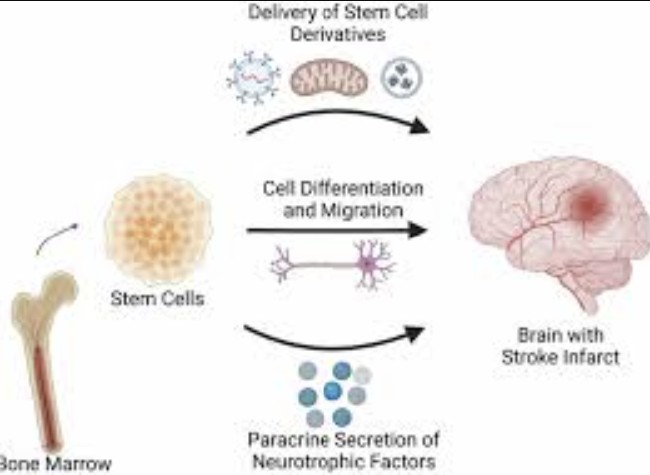
Research indicates that stem cells influence tissue repair not only through differentiation but also through signaling mechanisms that modulate inflammation, stimulate vascular regeneration, and support immune recalibration. According to the World Health Organization, extending health span, the period of life spent in good health, is one of the defining health priorities of this century. Regenerative medicine directly addresses this goal by targeting both inflammation and cellular decline.
Two-in-One Objective: Immune Imbalance and Cellular Repair
Innovations in blood-derived stem cell isolation and activation technologies now allow clinicians to support systemic repair using minimally invasive methods. Rather than harvesting cells from bone marrow or adipose tissue, stem cells can be obtained from peripheral blood, activated, and reintroduced into circulation. Their small size allows them to travel broadly throughout the body, potentially influencing soft tissue, joints, neurological pathways, endothelial structures, and skin integrity.
The emerging regenerative model does not seek to eliminate inflammation entirely. Acute inflammation is essential for healing. The objective is to recalibrate chronic inflammatory signaling while restoring regenerative capacity. By addressing both immune imbalance and cellular repair simultaneously, regenerative therapies move beyond traditional anti-aging concepts.This evolution reflects a deeper shift in medical philosophy. Aging is increasingly understood as a dynamic interplay between inflammation, cellular damage, and regenerative decline. By restoring balance at the cellular level, stem cell-based regenerative strategies are redefining longevity, not as the pursuit of extended years alone, but as the restoration of vitality and functional resilience.
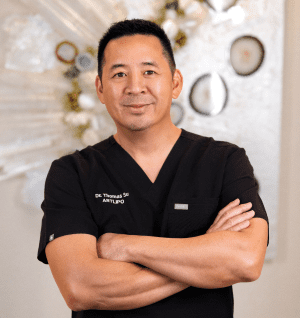
Dr. Thomas Su
Dr. Thomas Su, is the owner and cosmetic surgeon of Artistic Lipo. He has led our full-time clinic specializing in awake-only liposuction since 2007. Dr. Su began his medical career in internal medicine, practicing that until 2005, when he began to provide a full spectrum of non-invasive cosmetic procedures.