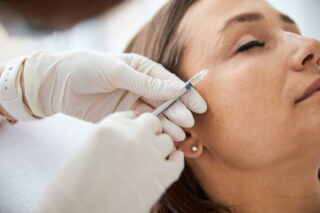




In an interview with Well Labs+ CEO Reetu Gupta, we discuss the growth in medspas for the aesthetics and wellness industry, as well as for preventive care.
In a hurry? Here are the key notes to know:
- Medspas are expanding beyond aesthetics into preventive wellness: They offer services such as hormone optimization, metabolic treatments, and longevity-focused care alongside traditional cosmetic procedures.
- Industry consolidation is accelerating: Networks like Well Labs+ are providing independent practices with capital, technology, and purchasing power while maintaining physician oversight and advanced-practice clinical teams.
- A new demographic is emerging: Dedicated male-focused clinics, such as the Maverick concept, highlight growing interest from men in wellness optimization and aesthetic medicine.
The rapid growth of the medical spa industry is reshaping how some patients approach aesthetics, wellness, and increasingly preventive health. For many, the modern medspa is no longer simply a destination for cosmetic treatments but a hybrid environment where clinical expertise intersects with lifestyle medicine.
Few companies illustrate that shift as quickly as Well Labs+. In just 18 months, the network expanded from two locations to 25 across multiple U.S. markets. The platform aggregates locally owned practices while maintaining their clinical identity, bringing together physicians, advanced practice providers, and aesthetic specialists under a single operational umbrella.
“We started this business as a platform to acquire and partner with medspa owners who have built phenomenal practices but are looking for the next chapter of growth,” said Reetu Gupta, CEO and founder of Well Labs+, during an interview with MedicalExpo e-Magazine.
The model reflects a broader shift in healthcare consumer behavior: patients are increasingly seeking services that blend preventive care, wellness optimization, and aesthetic medicine.
At the same time, the industry is expanding its demographic reach. One of the more unexpected developments, Gupta noted, is the rise of male-focused medspa services through “Maverick” clinics, which target men interested in hormone optimization, energy, and appearance.
As the sector evolves, the question for healthcare professionals is whether medspas may increasingly serve as a “front door” to preventive health services outside traditional insurance-based care.
Industry Evolution: Medspa Consolidation
The medspa industry remains highly fragmented. According to Gupta, roughly 80% of clinics operate as independent practices run by individual owners. Many of these small practices have loyal patient bases but face challenges scaling their operations. Larger networks like Well Labs+aim to address those barriers by providing capital investment, marketing support, technology infrastructure, and purchasing power for pharmaceuticals and medical devices.
For example, collective purchasing agreements can significantly reduce costs for injectables such as neurotoxins and dermal fillers, which are often sourced from major pharmaceutical manufacturers.


Technology is another major component of consolidation. Gupta emphasized the importance of robust clinical infrastructure, including electronic medical records, patient relationship management systems, and emerging AI-driven tools.
“The reality is that many independent clinics don’t have the scale to invest in technology, marketing, and purchasing power on their own,” she said.
From a clinical standpoint, medspa teams typically operate under a structured medical oversight model.
Every practice in the Well Labs+ network has a licensed physician serving as medical director. Day-to-day care is typically delivered by advanced practice clinicians such as nurse practitioners or physician assistants who perform procedures, including injectables and certain minimally invasive treatments.
Additional services—such as laser procedures, skin resurfacing, and other device-based therapies—are often administered by trained aesthetic professionals working within established clinical protocols.
For medical professionals considering entry into the sector, Gupta emphasized that experience and training are critical. Clinicians must undergo specialized education in facial anatomy, injection techniques, and aesthetic medicine before independently performing procedures.
Personalization vs. Standardization: Patient Loyalty and Engagement
As networks expand, a central operational challenge is balancing standardized service offerings with personalized patient care.
Well Labs+ addresses this by limiting its service menu to a defined “core four” set of clinical categories: injectables, light-based devices, body contouring, and wellness services such as hormone therapy and metabolic treatments.
Within those categories, treatment plans are highly individualized.
“Everyone’s anatomy is different, everyone’s age is different, and everyone’s goals are different,” Gupta explained.
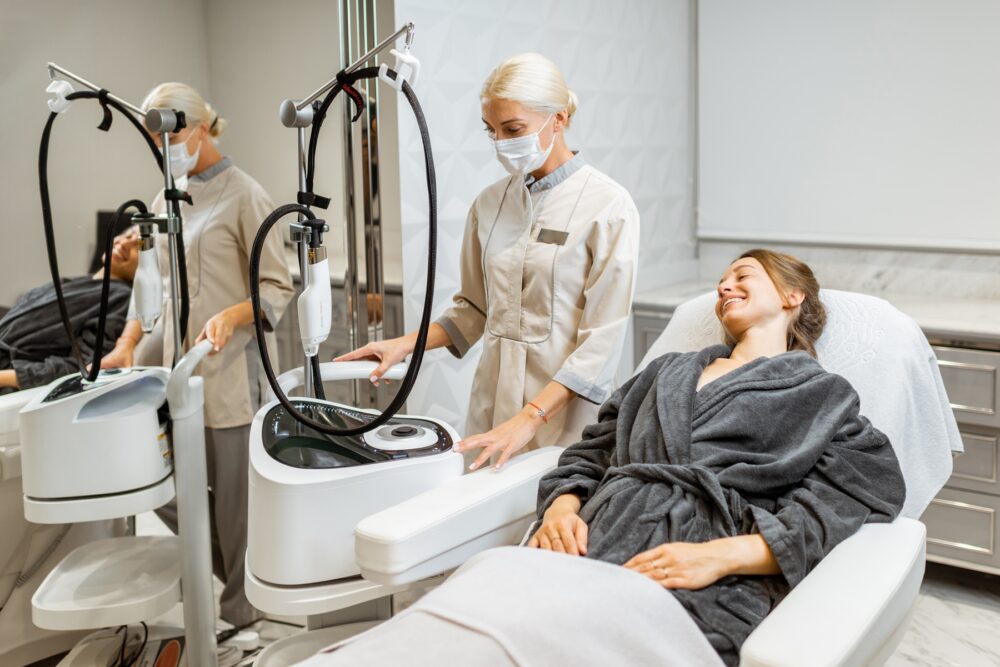
Unlike some aesthetic chains that separate sales consultations from clinical treatment, Gupta said patients at Well Labs+ are evaluated directly by the clinician who will perform the procedure.
For patients, that model can translate into longer consultations and stronger provider relationships. Gupta believes this approach helps explain the company’s patient retention rate, reported to exceed 75%.
“In traditional healthcare, physicians often have only minutes with each patient,” she said. “In our clinics, the consultation can last 30 to 45 minutes, allowing for a more holistic conversation about wellness and aesthetic goals.”
The extended appointment time allows providers to address both aesthetic concerns and broader health goals, such as weight management, hormonal balance, and metabolic wellness.
Most services are delivered on a fee-for-service basis, with an average treatment cost around $500, though membership options and financing programs are often available.
Preventive Wellness and the Expanding Role of Medspas
One factor driving the medspa industry’s growth is the perceived gap between traditional healthcare and preventive wellness services.
Gupta argues that insurance-driven healthcare models increasingly prioritize acute treatment and efficiency, leaving less time for discussions about lifestyle optimization and preventive care.
As a result, medspas are stepping into a space where patients seek support for improving energy, longevity, and overall quality of life.
“Wellness is an explosive category,” Gupta said, citing increasing demand for hormone replacement therapy, peptides, and metabolic treatments.
Weight-management medications in the GLP-1 drug class have also become a major growth driver, as patients seek both metabolic improvements and complementary aesthetic treatments such as skin tightening after weight loss.
While these services fall outside insurance coverage, many patients view them as investments in long-term health.
“This is additive to traditional medicine,” Gupta said. “It’s not replacing it.”
What is peptide therapy? Peptides are short proteins that are used medically to signal specific cellular activities. Peptide therapy can be used to improve a variety of functions, such as to increase growth hormone production for weight loss and muscle gains. There are over 60 peptides approved in the U.S. for various benefits.

Looking Toward 2026: Clinical Innovations and Patient Trends
Looking ahead, Gupta expects continued double-digit growth across the medspa industry. The core aesthetic categories—neurotoxins, fillers, and device-based skin treatments—remain stable. But the most significant growth is occurring in integrated wellness services. Hormone optimization, longevity-focused therapies, and metabolic health interventions are rapidly expanding segments of the market.
Another emerging trend is the increasing participation of male patients. The Maverick clinic concept, which focuses specifically on men’s wellness and aesthetic needs, reflects this shift. Services include testosterone optimization, peptides, and metabolic treatments designed to improve energy, body composition, and appearance.
Historically, aesthetic medicine has largely targeted female patients. Gupta believes that is changing quickly.
“It often starts with women who come in for treatment,” she said. “Their partners see the results and start asking what they can do as well.”
For medical professionals watching the industry, the continued convergence of aesthetics, wellness, and preventive medicine may signal a broader transformation in patient expectations.
As consumers increasingly seek proactive approaches to aging and health optimization, medspas may continue to expand their role as an entry point for services that fall outside traditional clinical settings, but still rely heavily on medical expertise.