


As market forecasters provide a projected rhythm of growth, several companies have released a new level of advanced tech-based X-ray products.
In a hurry? Here are the key points to know:
- Species-Specific AI Coverage:Specialized feline AI now complements canine tools, allowing for the instant, automated detection of complex pathologies like tooth resorption in under 10 minutes.
- Essential Standard of Care:Full-mouth X-rays have transitioned from elective to mandatory, significantly boosting clinic revenue and owner compliance via easy-to-read AI reports.
- Workflow & Hardware Mobility:Ultra-HD handheld units and wireless PIMS integration have eliminated the “radiology bottleneck” by automating dental charting and reducing radiation exposure.
The landscape of veterinary dentistry has shifted from an elective luxury to a non-negotiable standard of care. As we move through the first half of 2026, the veterinary digital dental X-ray market is experiencing a transformative surge, driven by a convergence of artificial intelligence (AI), high-definition hardware, and a profound shift in how pet owners view oral health.
According to recent reports from Intel Market Research and Grand View Research, the global veterinary X-ray market is projected to reach approximately $1.3 billion by 2033, growing at a steady CAGR of 7.3%. Forecasters attribute this growth to the “humanization” of pets—a trend where 66% of U.S. households now treat their animals as full family members. This cultural shift has been mirrored by the insurance industry; data shows a 25% increase in dental-related claims over the last two years, providing clinics with the financial justification to invest in top-tier diagnostic equipment.
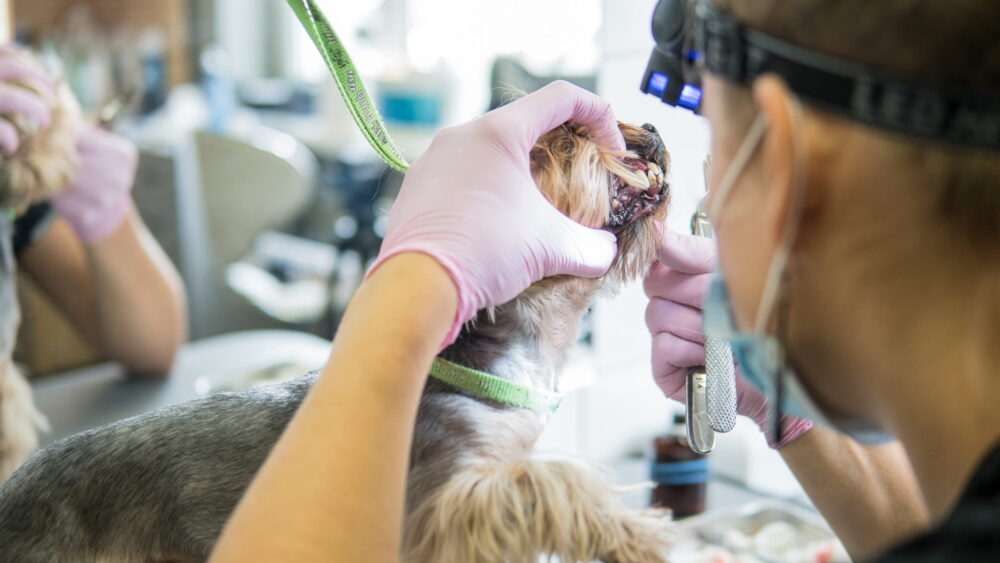
Beyond the economics, the medical necessity of dental radiography has never been clearer. Writing for Today’s Veterinary Nurse, Mary L. Berg, BS, RVT, VTS (Dentistry), emphasizes that the visible crown is merely the “tip of the iceberg.” With nearly two-thirds of the tooth structure residing below the gumline, radiography is the only way to diagnose pathologies like tooth resorption, sub-gingival fractures, and periodontal bone loss. The professional consensus in 2026 is definitive: a “clean” oral exam without full-mouth radiographs is no longer considered a complete evaluation.
The Foundations of 2025
Looking back at the previous year, 2025 was defined by the move away from bulky, stationary systems toward “Smart Connectivity” and “Portability.” Key innovations that hit the market in 2025 set the stage for our current technological peak.
One of the most significant shifts was the widespread adoption of Direct Digital Radiography (DR). As highlighted by industry leaders like Intriquip, 2025 saw the end of the “waiting game” for image processing. Modern DR systems now transmit high-resolution images to workstations in real-time. Additionally, Low Radiation Exposure technology became a standard feature, utilizing high-sensitivity sensors that require lower doses of radiation—a critical safety advancement for both the veterinary team and smaller exotic patients.
In May 2025, the industry saw the first major wave of AI integration with the launch of Antech’s RapidRead Dental for Canines. This tool provided practitioners with an AI-powered second set of eyes, capable of identifying pathologies in minutes. Simultaneously, brands like Planmeca and Midmark began offering modular systems that allowed clinics to start with 2D imaging and “plug-and-play” their way into 3D Cone Beam Computed Tomography (CBCT) as their practice grew.
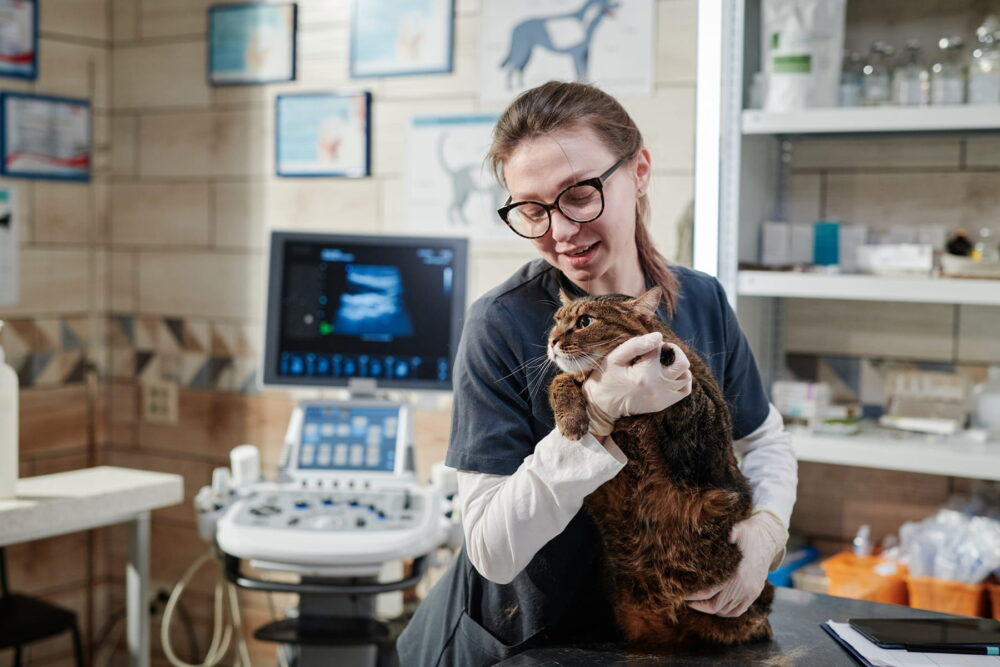
2026 Releases: The Year of the Feline and Specialized AI
As we reached the January 2026 Veterinary Meeting & Expo (VMX), the focus shifted from general radiography to specialized feline care and deeper AI automation.
The standout announcement of 2026 so far has been Antech’s launch of RapidRead Dental for Feline. While canine AI tools had been available for a year, feline-specific models were historically more difficult to develop due to the small size of feline teeth and the high prevalence of complex tooth resorption. The 2026 feline iteration uses a deep-learning algorithm trained on over 55,000 images to provide tooth-by-tooth annotations. This allows clinicians to identify “hidden” resorption and bone changes that even experienced eyes might miss during a busy surgery day.
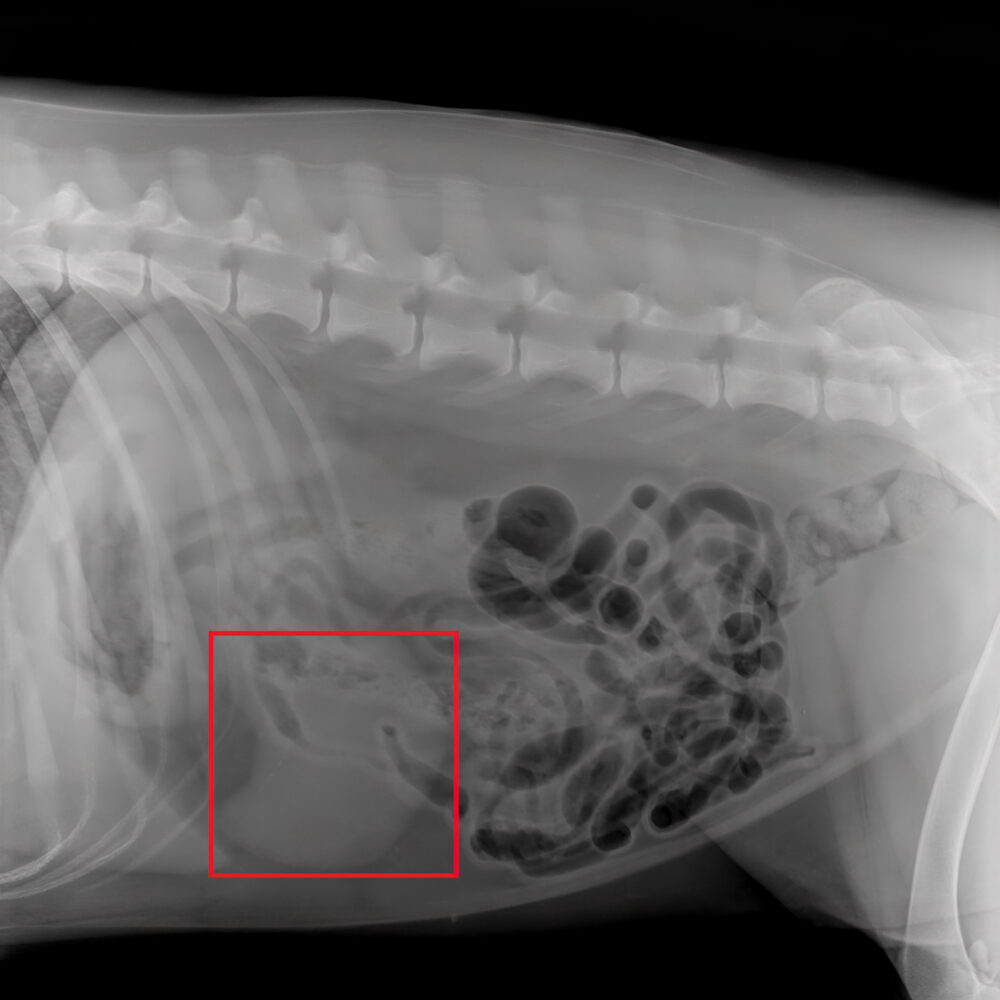
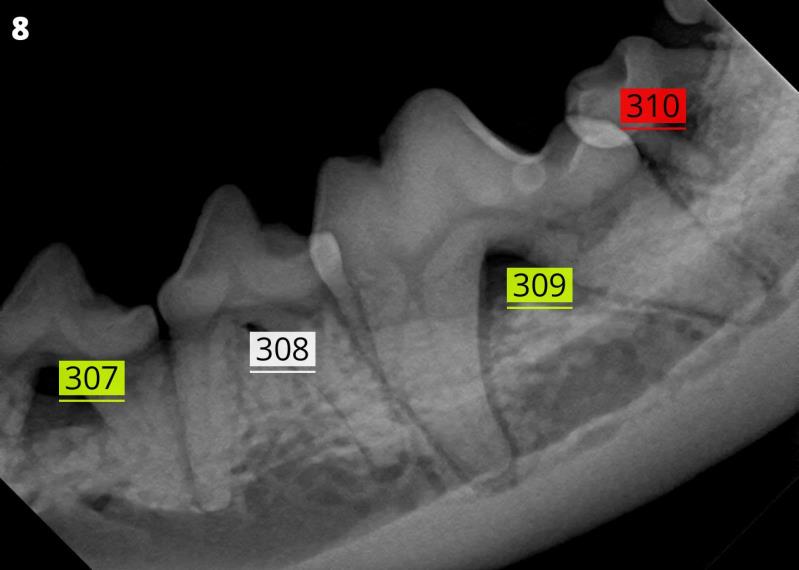
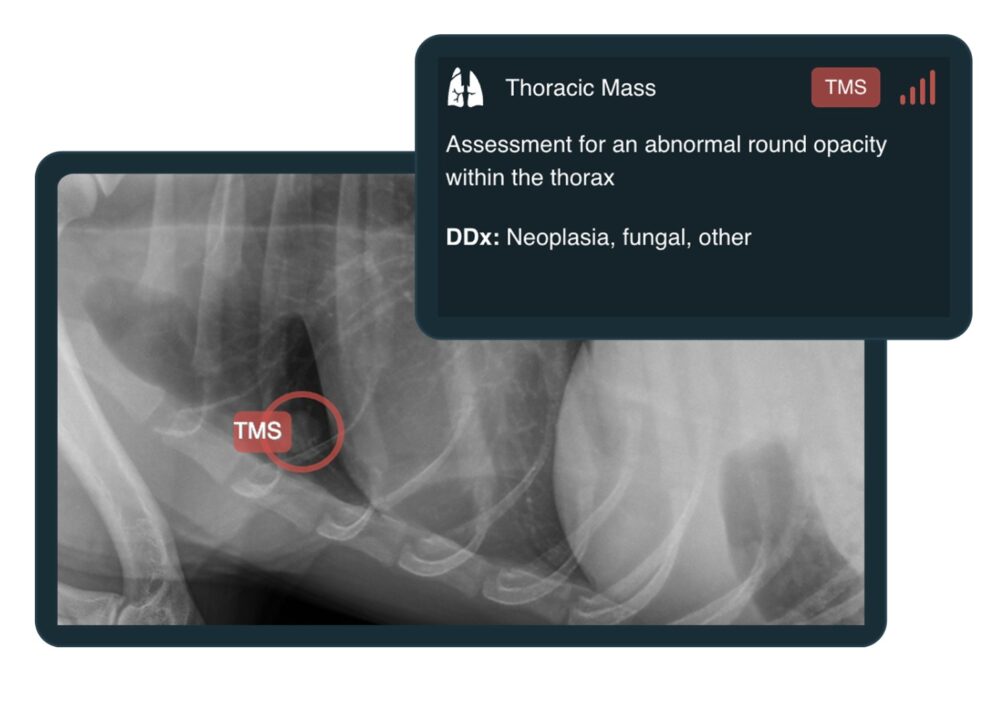
SignalPET has also expanded its footprint in 2026 with its “Immediate AI Report” system. Their latest software updates provide automated, color-coded overlays directly onto the radiograph, helping pet owners “see” the disease. This has proven to be a massive boon for client communication; when a pet owner can see a red-highlighted abscess on a screen, the rate of treatment acceptance increases by nearly 30%.
On the hardware side, 2026 has seen the rise of the iRay Canis 014D07, a handheld intraoral X-ray unit that weighs just 2kg from iRay Group. Unlike older handheld units, the 2026 Canis features a built-in 7-inch Android touchscreen, allowing for instant image viewing on the device itself without needing to walk back to a desktop computer. Similarly, Midmark Animal Health has refreshed its 2026 catalog with fully integrated sensor-and-generator suites that sync wirelessly with most major Practice Management Softwares (PIMS), eliminating the need for manual data entry.
The Road Ahead: What to Expect
As we look toward the latter half of 2026 and into 2027, the market is moving toward “Total Integration.” Professionals can expect three major trends to continue:
- 3D Imaging for the Masses: CBCT (Cone Beam Computed Tomography) is becoming more compact and affordable. Once reserved for specialty dental centers, modular units from brands like Planmeca and MyRay are making 3D imaging a viable option for high-volume general practices.
- Automated Charting: The next frontier is the end of manual dental charts. New software integrations are beginning to “read” the X-ray and automatically populate the patient’s dental chart in the PIMS, saving technicians 10–15 minutes per procedure.
- Tele-Dentistry Expansion: With cloud-based PACS (Picture Archiving and Communication Systems) becoming standard, general practitioners are increasingly using real-time “hotlines” to send difficult images to board-certified veterinary dentists for immediate intra-operative consultation.
The first half of 2026 has proved that the veterinary dental X-ray is no longer just a “camera” for teeth, but rather a sophisticated diagnostic hub. For the veterinary professional, these tools mean faster procedures, fewer missed diagnoses, and a significant boost in practice revenue. For the patient, it means a life free from the silent pain of hidden dental disease.
As we continue through this year, the message to veterinary teams is clear: the technology is here, the market is ready, and the standard of care has never been higher.