



A deep dive into the hybrid energy, dual-imaging, and AI-driven monitoring breakthroughs from Olympus, Terumo, and Nihon Kohden entering Western markets in 2025-2026.
The global medical device landscape in early 2026 is being reshaped by a significant influx of high-precision exports from Japan. Recent trade data indicates a robust trajectory; in late 2025, Japanese medical instrument exports saw a double-digit percentage increase, specifically targeting North American and European healthcare systems.
This surge is not merely a matter of volume but of technical sophistication. Japanese manufacturers are currently spearheading a “Digital-Analogue Convergence,” wherein world-class hardware, refined through decades of mastery in optics and metallurgy, is being augmented by predictive AI and integrated software platforms.
For the B2B medical community, these developments represent more than just new tools; they signify a shift toward procedural efficiency and the mitigation of systemic risks such as clinician burnout and perioperative complications.
Advanced Surgical Energy: The Hybridization of the Operating Room
In the sector of surgery and procedural technologies, the late 2025 release of the THUNDERBEAT II by Olympus Corporation has set a new benchmark for hemostatic cutting and vessel sealing. As a hybrid energy platform, the device uniquely integrates ultrasonic energy for rapid tissue dissection with advanced bipolar energy for secure, large-vessel sealing up to 7mm.
The 2026 global rollout introduces the refined distal tip design, which features integrated thermal shielding. This engineering feat addresses a primary concern for laparoscopic and robotic surgeons: lateral thermal spread. By minimizing unintended heat transfer to adjacent vital structures, the THUNDERBEAT II allows for more aggressive dissection in tight anatomical spaces. Furthermore, the ergonomics have been tailored to reduce hand fatigue during prolonged oncological or bariatric cases, reflecting the Japanese design philosophy of “Omotenashi”, anticipating the user’s needs before they arise.
This device is currently transitioning from its initial European launch into full North American availability, providing surgical departments with a consolidated tool that reduces the need for frequent instrument exchanges.
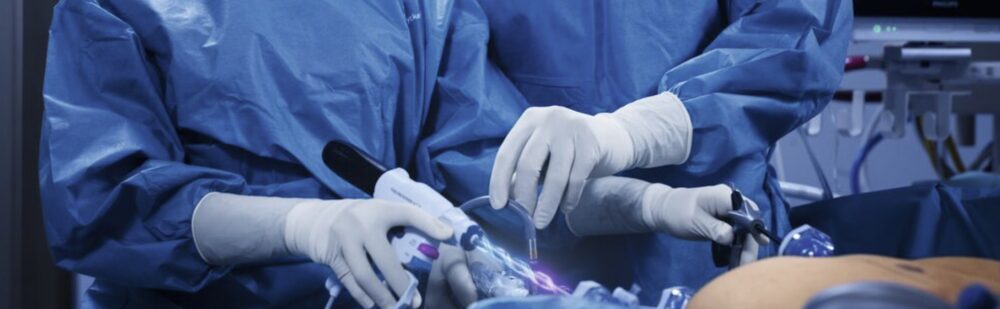
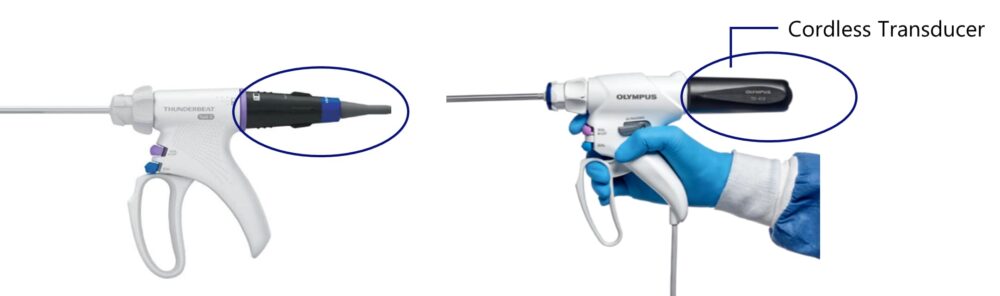
Images: Thunderbeat II for Hemostatic Cutting and Vessel Sealing. Courtesy of Olympus.
Cardiology and the Integration of Intravascular Imaging
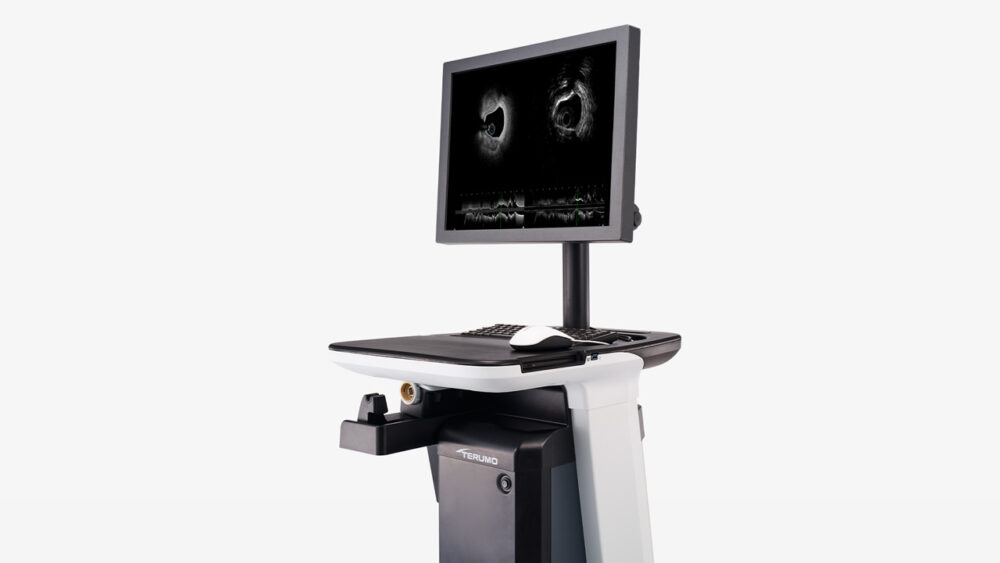
Specialty diagnostics, particularly in interventional cardiology, have seen a paradigm shift with the introduction of the OPUSWAVE® Dual Sensor Imaging System by Terumo Corporation. Traditionally, interventionalists were required to choose between Optical Coherence Tomography (OCT) for high-resolution superficial vessel imaging and Intravascular Ultrasound (IVUS) for deeper structural assessment, often necessitating two separate catheters and consoles.
Following its FDA 510(k) clearance in October 2025, the OPUSWAVE system has become the first to offer simultaneous views of both modalities through a single DualView® catheter. This integration is critical for complex Percutaneous Coronary Interventions (PCI), where understanding both the stent-to-vessel wall apposition (via OCT) and the total plaque burden (via IVUS) is essential for long-term patient outcomes.
By eliminating the time-consuming process of switching equipment, the system optimizes catheterization lab throughput—a vital metric for modern hospital administrators—and reduces the volume of contrast media required, thereby lowering the risk of contrast-induced nephropathy in vulnerable patients.
Combating Alarm Fatigue through Intelligent Infrastructure
Beyond the sterile field, Japanese innovation is addressing the “silent” crisis of the modern hospital: clinical alarm fatigue. Nihon Kohden’s 2025 launch of the AlarmSense™ platform represents a significant leap in medical technical infrastructure.
In an era defined by acute nursing shortages, the AlarmSense system utilizes advanced data-driven analytics to filter the deluge of non-actionable alerts that characterize many intensive care units. Unlike traditional monitoring systems that rely on fixed thresholds, AlarmSense employs Japanese-engineered AI algorithms to correlate multiple physiological parameters, such as pulse oximetry, heart rate, and respiratory rate, to determine if an alert requires immediate human intervention or is a result of patient movement or sensor artifact.
By converting raw data into actionable clinical insights, the platform helps preserve the cognitive bandwidth of nursing staff and fosters a quieter, more therapeutic environment for patient recovery. As healthcare facilities in 2026 pivot toward “smart” beds and integrated IT workflows, solutions like AlarmSense are becoming the backbone of patient safety protocols.
Comparative Export & Market Availability (2025-2026)
The following table outlines the current availability and primary clinical focus of these three key Japanese exports as they penetrate the Western markets.
Olympus’ THUNDERBEAT II represents a meaningful evolution in surgical energy systems, particularly for surgeons working in laparoscopic, robotic, and advanced oncological procedures. Its phased rollout in North America beginning in Q1 2026, following full European availability in late 2025, signals growing confidence in hybrid energy platforms that combine ultrasonic dissection with advanced bipolar vessel sealing. For medical professionals, understanding this device is critical because it directly addresses two persistent intraoperative challenges: lateral thermal spread and procedural inefficiency. By reducing unintended heat damage while allowing faster tissue dissection and secure vessel sealing in a single instrument, THUNDERBEAT II supports safer outcomes in complex anatomical spaces and reduces surgeon fatigue during lengthy procedures.
Terumo’s OPUSWAVE® system highlights how intravascular imaging is shifting toward integration rather than specialization. Fully available in North America as of late 2025 and pending European regulatory approval in 2026, OPUSWAVE eliminates the historical trade-off between Optical Coherence Tomography (OCT) and Intravascular Ultrasound (IVUS). For interventional cardiologists, this matters because clinical decision-making during PCI increasingly depends on seeing both superficial vessel detail and deeper plaque structure in real time. A single catheter that delivers simultaneous IVUS and OCT improves procedural efficiency, reduces contrast load, and minimizes catheter exchanges — all of which translate into better patient safety and improved cath lab throughput.
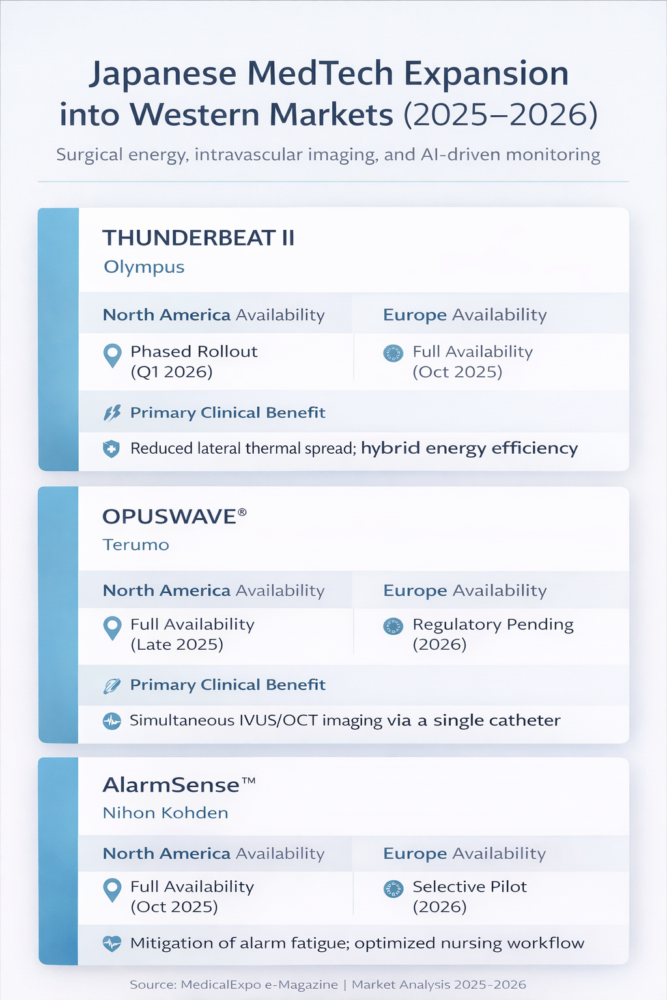
Nihon Kohden’s AlarmSense™ platform addresses a different, but equally critical, area of modern healthcare: clinical infrastructure and staff wellbeing. Fully available in North America since October 2025 and entering selective European pilots in 2026, AlarmSense applies AI-driven analytics to reduce non-actionable alarms in high-acuity care environments. For nurses, intensivists, and hospital administrators, this technology is important because alarm fatigue is no longer just an operational nuisance. It is a recognized patient safety risk. By correlating multiple physiological parameters instead of relying on static thresholds, AlarmSense helps ensure that alarms prompt timely, meaningful intervention rather than contributing to cognitive overload and desensitization.
Taken together, these technologies illustrate how Japanese medical innovation continues to evolve beyond precision hardware alone, integrating software intelligence, workflow optimization, and human-centered design. As Japan expands its medical technology footprint in Western markets, understanding these developments allows medical professionals not only to adopt new tools, but to anticipate how clinical practice itself is being reshaped by a convergence of engineering excellence and digital intelligence.