

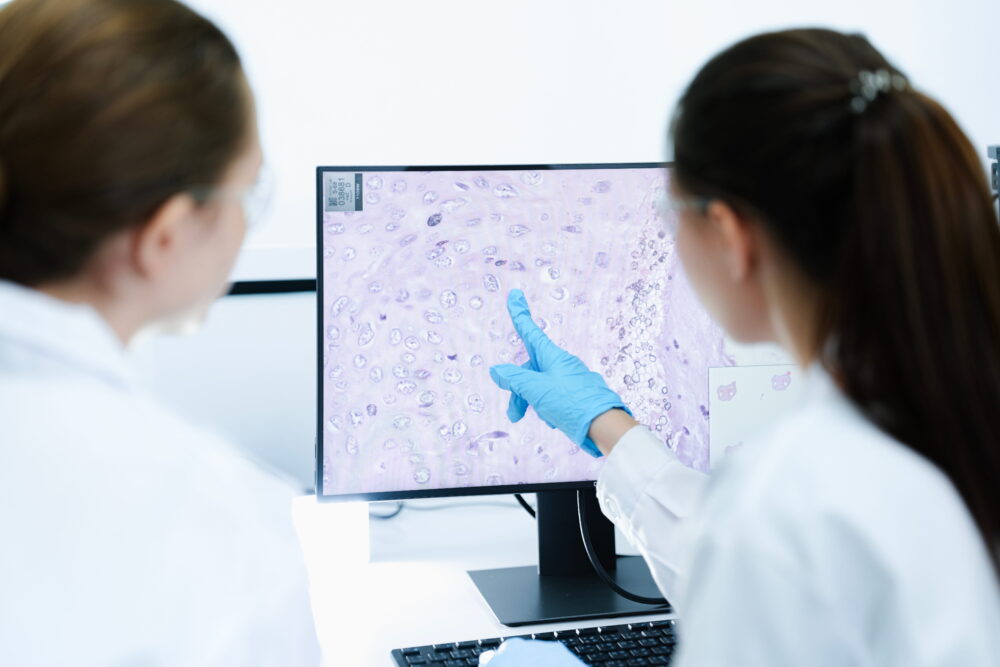

Abigail Prushansky, DNP, FNP-BC, CNM, Founder of Full Circle Premium, reacts to her conversation with Dr. Nayan Patel, PharmD, Founder of Auro Wellness, about how cellular science can reframe the health span of patients.
Modern medicine has become increasingly adept at managing disease, yet far less successful at preventing it. For Dr. Nayan Patel, pharmacist, researcher, and founder of Auro Wellness, this realization marked a pivotal turning point early in his career. Trained at one of the nation’s top pharmacy schools, Dr. Patel entered clinical practice with a clear objective: to help patients achieve better health. What he encountered instead was a system largely designed around long-term disease management rather than restoration of physiological resilience.
“Very early on, I realized that we were managing problems—not solving them,” Patel explains. “That wasn’t the plan I signed up for.”
This dissatisfaction catalyzed a decades-long scientific pursuit centered on one of the body’s most critical yet overlooked molecules: glutathione. Often referred to as the body’s “master antioxidant,” glutathione is the most abundant molecule produced by human cells and plays a foundational role in neutralizing oxidative stress and enabling hepatic detoxification. Despite more than a century of scientific awareness, Patel argues that glutathione’s clinical relevance has been fundamentally misunderstood.
“Our bodies don’t produce something in abundance without reason,” he says. “Glutathione isn’t optional; it’s essential for survival at a cellular level.”
The Cellular Bottleneck
While glutathione is synthesized endogenously, its availability declines with age, illness, and metabolic stress. Traditional supplementation strategies, oral, injectable, inhaled, and liposomal, have consistently failed to address the central problem: intracellular delivery. As Patel describes it:
“You can have all the gold in the world outside your house, but if it’s not inside, you can’t use it.”
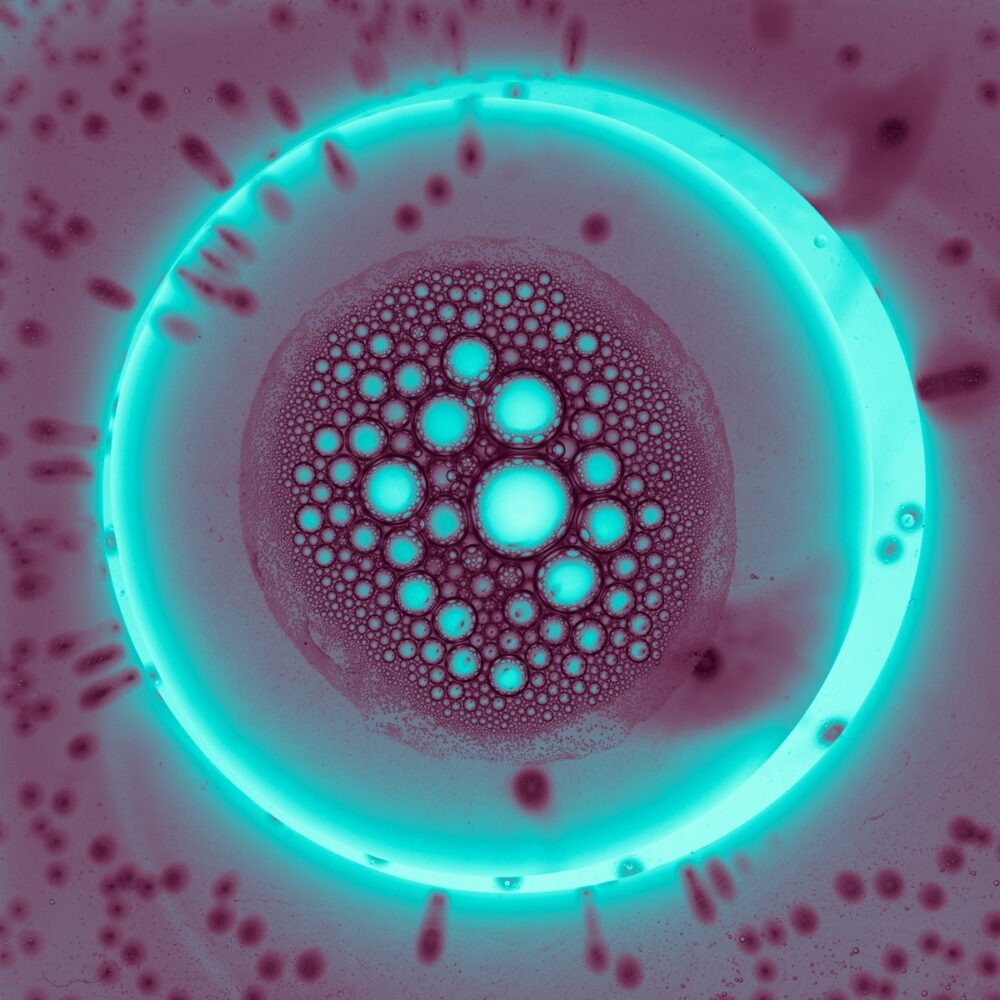
The challenge lies in the cell membrane itself, an extraordinarily selective biological barrier that protects internal cellular processes. After stabilizing glutathione in a laboratory setting, Patel spent years attempting to solve what he calls the “Fort Knox problem”: how to deliver glutathione safely, intact, and effectively into the cell.
The breakthrough came not through force, but through biological alignment. By encapsulating glutathione within polysaccharide structures, carbohydrate molecules that the body naturally seeks for energy, Patel developed a delivery system that allows cells to actively uptake glutathione through existing receptor pathways.
“The body doesn’t need to be forced,” he explains. “If it needs something and recognizes it as safe, it will bring it in.”
From Disease Treatment to Human Potential
What distinguishes Patel’s approach is not a claim that glutathione is a cure-all, but rather that it addresses a universal physiological bottleneck: oxidative overload. Oxidative stress underpins nearly every chronic disease process, from inflammatory conditions to neurodegeneration and metabolic dysfunction. By restoring intracellular glutathione levels, the body is given the foundational capacity to regulate, repair, and adapt.
In clinical observation, Patel witnessed immediate and profound effects. In one early laboratory case, topical application of intracellularly delivered glutathione rapidly resolved pain caused by oxidative tissue damage, without acting as a pain suppressant.
“The pain disappeared because the oxidative stress disappeared,” he notes.
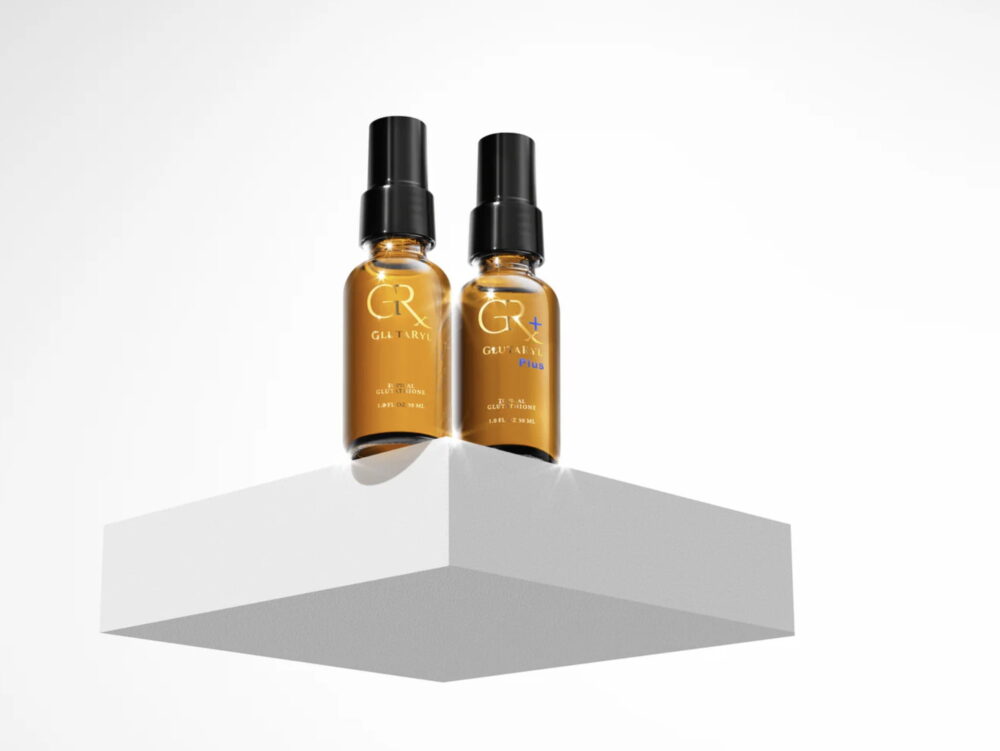
Today, Auro Wellness’s topical glutathione platform is used primarily by physicians, many of whom were initially skeptical. Patel now spends much of his time educating providers on systems-based thinking, encouraging them to move beyond localized symptom treatment toward whole-body cellular restoration.
“When physicians see it work in just a few patients, everything changes,” he says. “They stop thinking in silos.”
A New Model for Preventive Medicine
From the perspective of women’s health and integrative care, this paradigm resonates deeply. As clinicians increasingly encounter patients with diffuse symptoms that evade traditional diagnostics, cellular-level interventions may represent a missing link. Rather than layering additional medications, Patel’s model emphasizes strengthening the body’s innate capacity to self-regulate.
“If we can tap into human potential,” he says, “we won’t eliminate hospitals, but we won’t need them for basic care.”
As the healthcare industry continues to grapple with the burden of chronic disease, rising costs, and patient dissatisfaction, innovations that prioritize cellular health and biological cooperation may redefine the future of preventive medicine. Auro Wellness’s work offers a compelling case for re-examining not just what we treat, but how we understand healing itself