


A California-based medical technology company says its micro–radio frequency device could reshape how overactive bladder is treated, moving care from symptom management toward cellular precision.
Overactive bladder is a condition that quietly disrupts millions of lives, forcing patients to plan their days around bathrooms and medications that often bring limited relief. Last October at Canton Fair in China, while speaking with Arthur Zhang, co-founder and chief scientist, and Benson Wong, CFO, of Rebecca Medical Science, the scale of that challenge—and a proposed new approach to treating it—came into focus. The executives described a micro–radio frequency treatment device designed to target malfunctioning bladder cells while sparing surrounding tissue, a concept that aligns with broader shifts in modern medicine toward precision-based, minimally invasive care. While still expanding regulatory approvals and clinical adoption, the technology reflects growing interest in treating chronic conditions closer to their biological origin rather than managing symptoms alone.
A Condition with Outsized Impact
Clinically, overactive bladder (OAB) is defined by urinary urgency, frequent urination, and nighttime waking, sometimes accompanied by urge incontinence. Although not life-threatening, the condition can be deeply disruptive, affecting work, sleep, mental health, and social life. Standard treatment typically begins with lifestyle changes and pelvic floor therapy, followed by medications that act on bladder muscle activity. For many patients, however, those drugs can produce side effects such as dry mouth, constipation, or cognitive changes, and long-term adherence remains a challenge.
“OAB is often underestimated because it’s not fatal,” Zhang said. “But when someone has to go to the bathroom 20 or 30 times a day, it completely changes how they live.”
According to industry estimates cited by Rebecca Medical Science, global spending on overactive bladder treatment runs into the billions of dollars annually, reflecting both the condition’s prevalence and the limitations of existing therapies. While OAB itself is not cancer, urologists often emphasize the importance of careful evaluation, as urinary symptoms can overlap with other bladder conditions. Zhang noted that the company’s patient experience has challenged common assumptions about who is affected.
“People think this is only an older person’s disease,” he said. “But our average patient age is under 50, and we’ve seen much younger patients as well.”
The persistence of symptoms, combined with dissatisfaction with current treatments, has driven interest in alternative approaches that avoid systemic medication and invasive surgery.
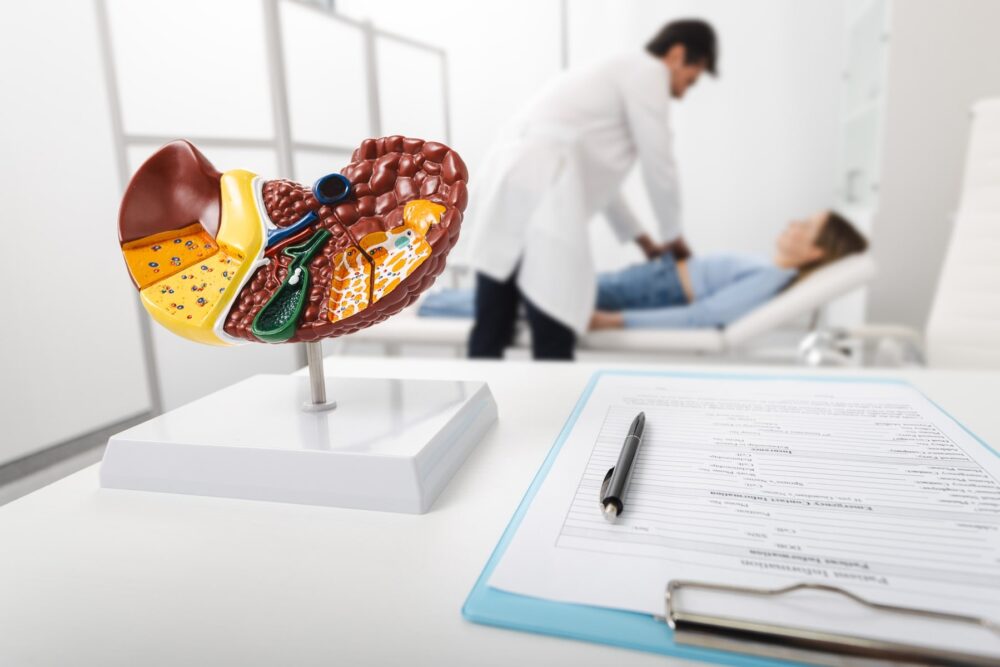
A Device Built Around Precision
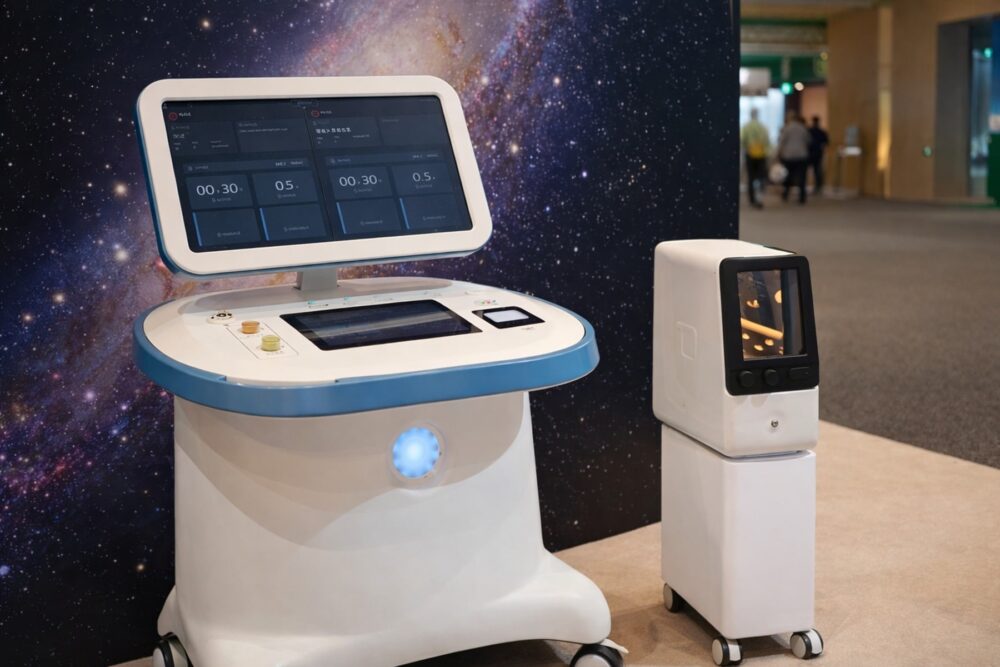
Rebecca Medical Science, founded in Southern California, has developed a device that uses micro–radio frequency energy delivered through MEMS (micro-electromechanical systems) technology. The concept, Zhang explained, is to concentrate very small amounts of energy with high precision.
“These are tiny emitters,” he said. “Individually, the energy is minimal. But when they’re focused together, they can target the affected tissue very precisely—similar in concept to how laser beams converge.”
Unlike some energy-based therapies that broadly heat tissue, the company says its system is designed to spare healthy cells while modulating abnormal bladder activity.
“We don’t want to destroy normal tissue,” Zhang said. “The idea is to preserve what’s healthy while addressing what’s not functioning correctly.”
According to data shared by the company, the treatment is non-invasive, performed on an outpatient basis, and typically completed in about an hour. Wong emphasized the practical implications.
“There’s no hospitalization and no downtime,” he said. “Patients walk in and walk out the same day. And out studies show 75% of the patients recover over the course of an hour, meaning they’re symptom-free after an hour treatment.”
The device has already been introduced in parts of China, where it was used during clinical and technology trials, and the company reports having worked with around 20 hospitals across China, Hong Kong, and parts of California. Preclinical testing, Zhang said, included animal and pathology studies conducted in collaboration with researchers at UCLA and UC Irvine. Rebecca Medical Science is currently pursuing additional regulatory pathways, including steps toward entering the U.S. market.
Looking Ahead to Targeted Medicine
The company’s ambitions extend beyond a single condition. Both Zhang and Wong framed the overactive bladder device as one application of a broader technology platform.
“Historically, a lot of treatments are indirect,” Zhang said. “You take a drug, it goes through your whole body, and only part of it reaches where it’s needed. What we’re trying to do is control energy precisely, right at the source of the problem.”
That philosophy mirrors a wider movement in medicine toward localized, targeted therapies—whether through biologics, energy-based devices, or gene-level interventions. In urology, where treatments can range from long-term medication to invasive procedures, a reliable non-invasive alternative could significantly change care pathways. Wong also highlighted the role of physicians in adoption.
“Doctors are the key opinion leaders here,” he said. “If they see that something works and improves patients’ lives, that’s what drives real change.”
Rebecca Medical Science is continuing to invest in research and development, with additional products already on the market in dermatology and others in development. While the company remains a startup, Wong acknowledged longer-term ambitions, including broader international expansion.
For patients with overactive bladder, the promise of a treatment that addresses the condition at its biological root—without surgery or chronic medication—remains compelling. Whether micro–radio frequency therapy ultimately fulfills that promise will depend on continued clinical validation and regulatory review. Still, as Zhang put it, the goal is clear:
“If we can give people their normal lives back, even in a simple way, that’s already meaningful.”