


Dr. Nayson Niaraki, Co-founder & Head Orthodontist, Smilebar.com, provided insights that allowed us to dig deeper into the orthodontics industry.
When Dr. Nayson Niaraki reflects on two decades in orthodontics, he does not point first to brackets or wires. He points to systems.
“I have seen the transition from film X-rays to digital imaging, from hand-mixed impressions to intraoral scanners, from paper charts to cloud-based systems,” wrote Niaraki, co-founder and head orthodontist at Smilebar, in a recent contributed opinion piece to MedicalExpo e-Magazine. “Every decade brings a new wave of tools that promise to change everything.”
In 2026, the promise of change appears less about any single device and more about the integration of artificial intelligence across clinical and operational workflows. Three developments stand out: AI-driven treatment planning and imaging, the continued expansion and recalibration of the clear aligner market, and the rapid maturation of intelligent practice management infrastructure.
AI-Driven Imaging and Treatment Planning
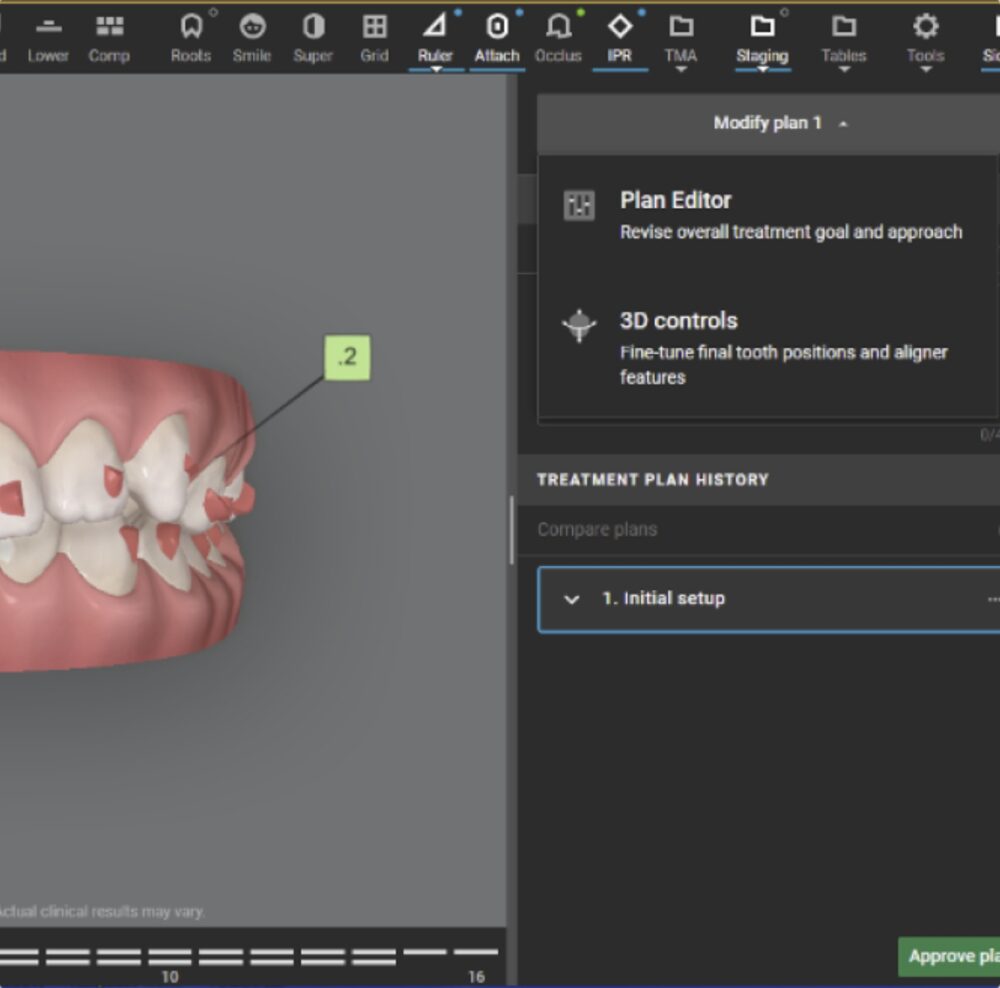
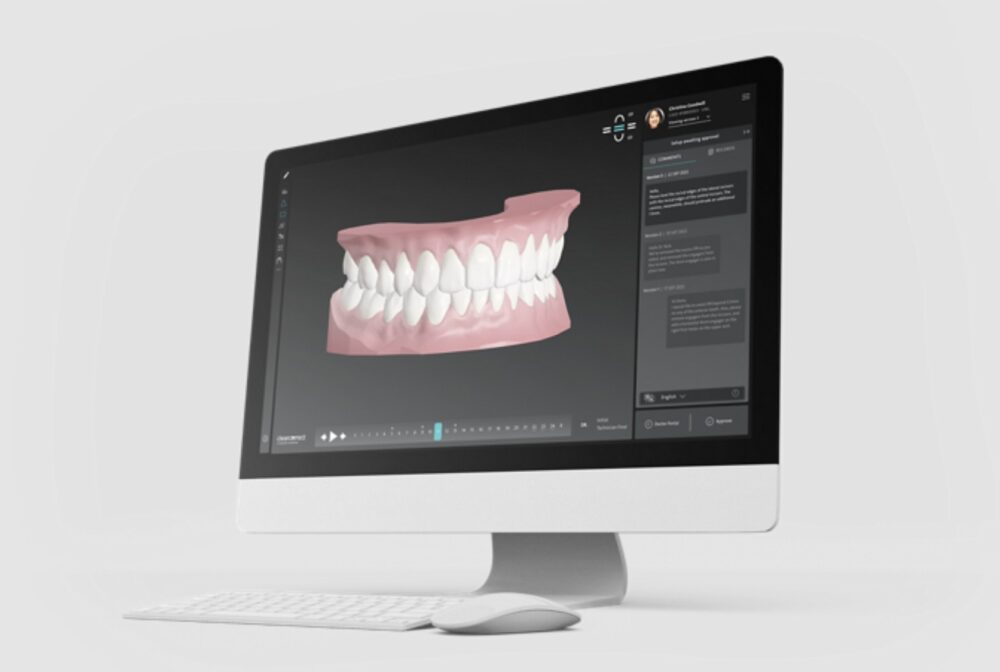
“The scanner matters. Treatment planning software matters. AI-assisted staging matters,” Niaraki wrote. “The orthodontist still makes the final decisions, but the software assists in ways that were not possible twenty years ago.”
The widespread adoption of intraoral scanning platforms such as those developed by Align Technology has transformed both diagnosis and case acceptance. According to Align Technology’s 2025 annual report, the company continues to invest heavily in artificial intelligence embedded within its ClinCheck software to refine staging algorithms and predict tooth movement more accurately (source: Align Technology 2025 Annual Report).
Beyond aligner planning, AI-assisted radiographic analysis is gaining regulatory and clinical traction. Companies such as Pearl and Overjet have received U.S. FDA clearances for AI tools capable of identifying pathologies and assessing bone levels on dental radiographs (source: FDA 510(k) database, 2025–2026 clearances). While much of the initial adoption has occurred in general dentistry, orthodontists are increasingly incorporating these systems into comprehensive diagnostic protocols.
Market data reflect this acceleration. Fortune Business Insights’ 2026 update projects the global intraoral scanner market to exceed $3.5 billion by 2027, driven largely by AI-enhanced features and interoperability demands (source: Fortune Business Insights, 2026 market outlook).
For clinicians, the question is whether AI measurably reduces refinements and chair time. Peer-reviewed studies published in the American Journal of Orthodontics and Dentofacial Orthopedics in 2025 suggest improved tracking accuracy in AI-optimized aligner cases compared with earlier algorithm generations (source: AJODO, 2025 clinical outcome studies). However, long-term comparative data remain limited.
As Niaraki emphasized:
“Clinical outcomes are better when the planning tools are stronger.”
Yet he underscores that technology remains assistive:
“The orthodontist still makes the final decisions.”
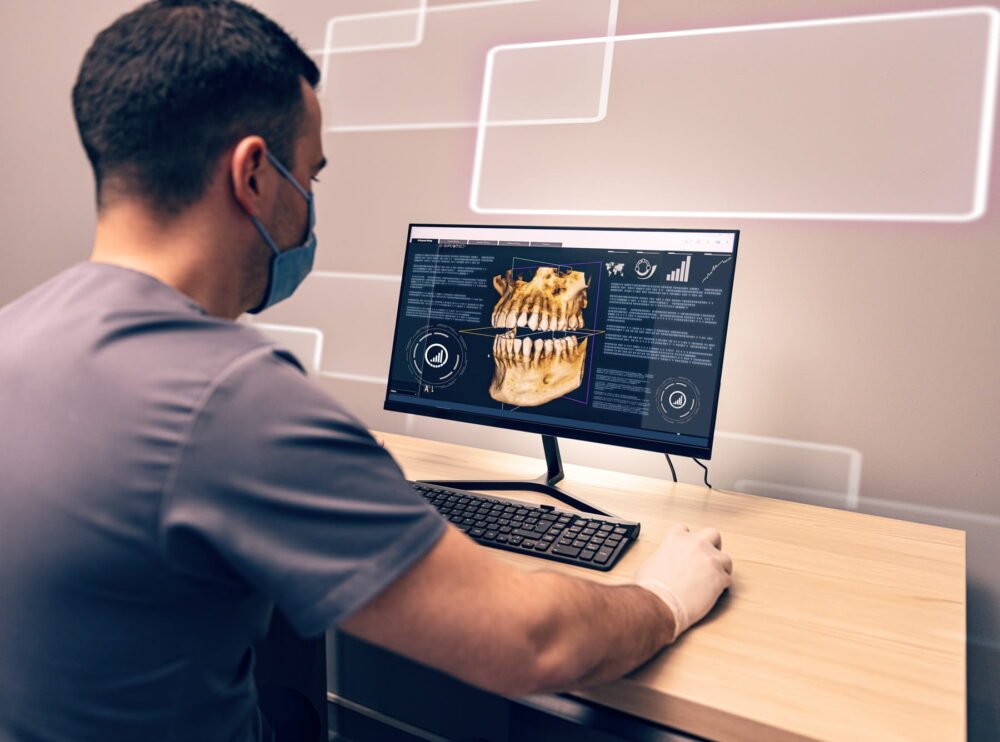
“Dental AI is influencing dental imaging. How effective dental AI software is it? It improves dental imaging and enhances dental diagnosis. It improves patient trust and case acceptance.”
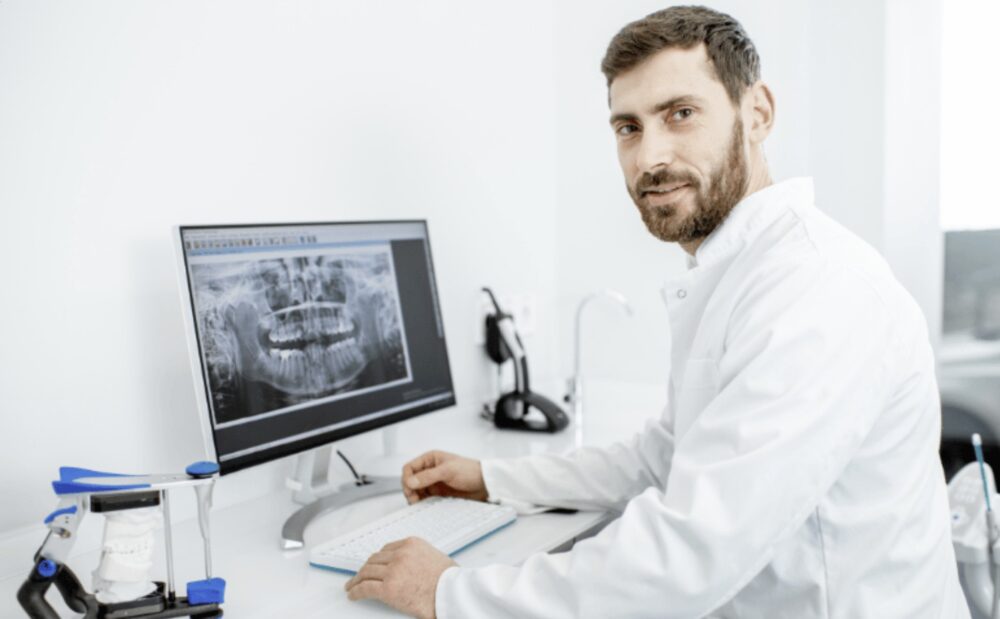
Image: How AI-powered image analysis is enhancing radiograph interpretation. Courtesy of Pearl.
The Clear Aligner Market: Expansion and Recalibration
Perhaps the most visible transformation in orthodontics over the past decade has been the rise of aligner therapy.
“The most visible change in recent years has been the widespread use of digital scanning and aligner therapy,” Niaraki noted.
According to Grand View Research’s 2026 industry analysis, the global clear aligner market is projected to surpass $15 billion by 2030, reflecting sustained double-digit growth (source: Grand View Research, 2026 Clear Aligner Market Report). Align Technology remains the dominant player, but competition has intensified. The Straumann Group continues expanding its ClearCorrect portfolio, particularly in Europe and emerging markets (source: Straumann Group 2025 Annual Report).
At the same time, the direct-to-consumer experiment has reshaped regulatory oversight. The 2023 bankruptcy of SmileDirectClub prompted renewed scrutiny from professional bodies and regulators. In 2025 and 2026, the American Association of Orthodontists (AAO) reiterated guidance emphasizing doctor-supervised orthodontic care and appropriate in-person evaluation protocols (source: AAO policy statements, 2025–2026).
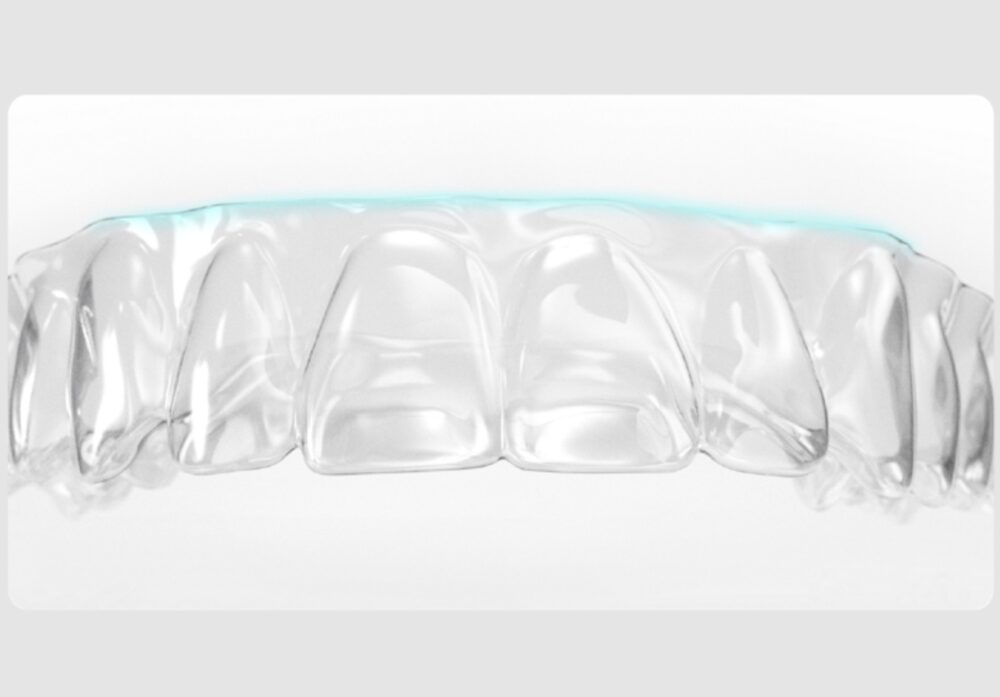
A parallel trend is the rise of in-office aligner production. Advances in 3D printing systems from manufacturers such as Formlabs have enabled orthodontists to fabricate aligners or appliances directly, tightening control over turnaround times and margins (source: Formlabs Dental Product Updates, 2026).
For Niaraki, however, aligners represent more than a product category.
“Real progress comes when clinical excellence and operational efficiency advance together,” he wrote.
The aligner boom, in his view, only delivers sustainable benefit when integrated into a coherent digital and financial infrastructure.
The Invisible Revolution: AI in Practice Operations
“What receives less attention is what has happened inside the business of orthodontics,” Niaraki observed.
Historically, he argued, practice management systems lagged behind clinical innovation, burdening staff with manual insurance submissions and fragmented billing.
Today, cloud-based platforms from providers such as Henry Schein One and Open Dental Software increasingly incorporate predictive analytics for scheduling optimization, automated insurance verification, and revenue cycle management (source: company product releases, 2025–2026).
The American Dental Association’s Health Policy Institute reported in 2026 that administrative staffing pressures remain a leading source of financial strain for dental practices, driving adoption of automation tools to reduce claim denials and accelerate reimbursement (source: ADA Health Policy Institute, 2026 Practice Economic Report).
Embedded financing models are also expanding. Partnerships with healthcare credit providers such as CareCredit allow practices to integrate no-interest payment plans directly into digital workflows (source: CareCredit 2025–2026 provider updates). Niaraki described how building financial infrastructure in-house enabled Smilebar to offer predictable, no-interest financing supported by internal risk modeling.
Artificial intelligence now extends to predictive scheduling, anomaly detection in billing, and automated patient communication triggers.
“These improvements are not visible to patients in a dramatic way,” Niaraki wrote, “but they change the experience.”
Cybersecurity has simultaneously emerged as a defining concern. Healthcare cybersecurity analyses from HIMSS in 2025–2026 documented a rise in ransomware incidents targeting outpatient facilities, prompting orthodontic practices to adopt zero-trust architectures and stricter HIPAA-compliant cloud solutions (source: HIMSS Cybersecurity Reports, 2026).
A Data-Driven Future
After twenty years in practice, Niaraki’s conclusion is less about devices than discipline.
“Technology is most valuable when it removes friction and supports better care,” he wrote. “When the business side of the practice is engineered thoughtfully, doctors can focus on diagnosis and treatment.”
For orthodontists in 2026, the competitive edge appears to lie not in a single scanner or aligner brand, but in the integration of AI across clinical planning, patient financing, and operational design. The next decade, as Niaraki suggests, may belong to practices that treat data infrastructure as seriously as biomechanics.