


By Joseph Zapolsky, III, International Sales Director, Erchonia Corporation
If you or someone you love has needed physical therapy recently, chances are the experience came with a few frustrations. Long wait times. Shorter appointments. Therapists, juggling multiple patients at once. Clinics, booked solid weeks in advance.
This isn’t a coincidence. According to the U.S. Bureau of Labor Statistics, employment of physical therapists is projected to grow 15% through 2032, much faster than the average for most occupations – a reflection of surging demand nationwide. Demand for rehabilitation services has accelerated in recent years, driven by an aging population (by 2034, adults 65+ are projected to outnumber children under 18 in the U.S., according to the U.S. Census Bureau), higher participation in sports and fitness, post-surgical recovery, chronic pain, and a growing desire to stay active later in life. At the same time, workforce growth has struggled to keep pace.
The Result: A System Under Real Strain
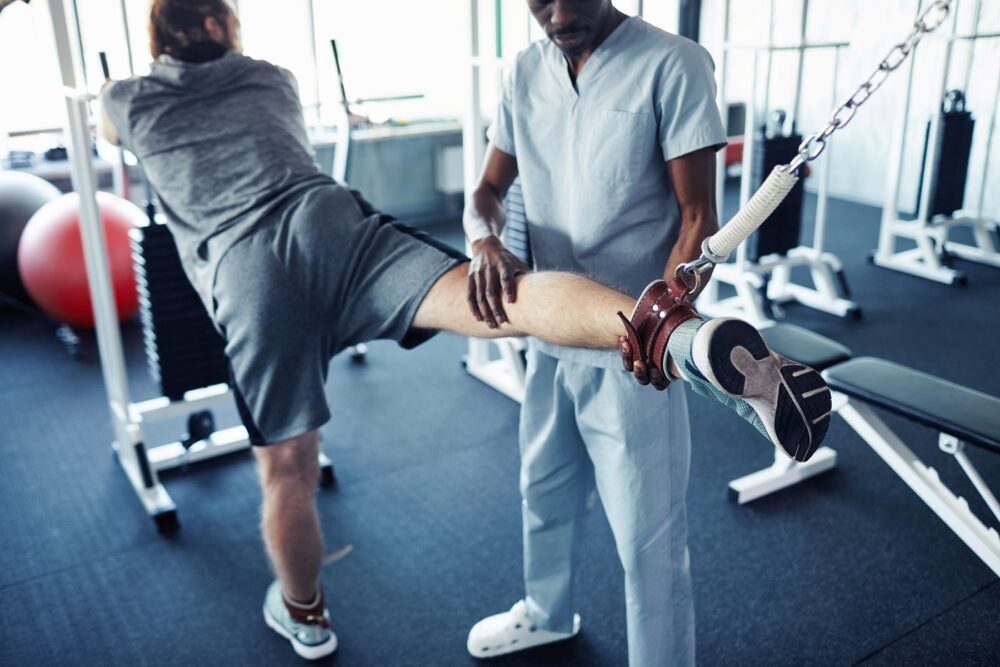
Physical therapy is deeply hands-on work. Therapists rely on their bodies every day – lifting limbs, applying manual pressure, repeating precise movements hour after hour. It’s rewarding work, but it’s physically demanding. Research published by the American Physical Therapy Association has highlighted rising concerns around clinician burnout, musculoskeletal strain, and retention challenges across the profession. Burnout is becoming increasingly common, not because therapists don’t care, but because the pace and physical wear are simply unsustainable.
For decades, recovery has followed a familiar formula: rest, ice, heat, stretching, strengthening, manual therapy. These tools are foundational and still matter. But as patient volume increases and expectations rise, we have to ask an uncomfortable but necessary question: Is doing more of the same really the answer?

Time To Rethink How Recovery Is Delivered?
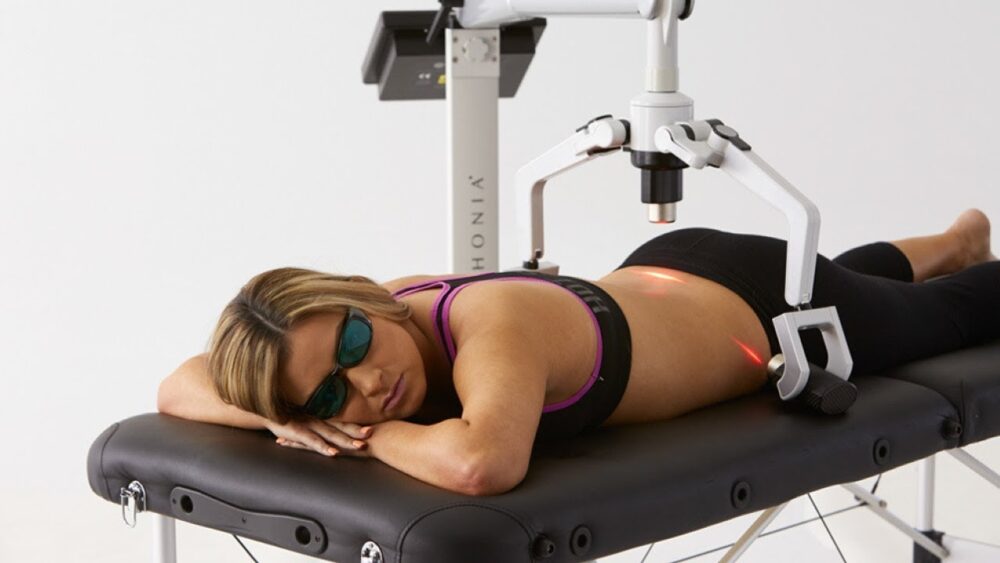
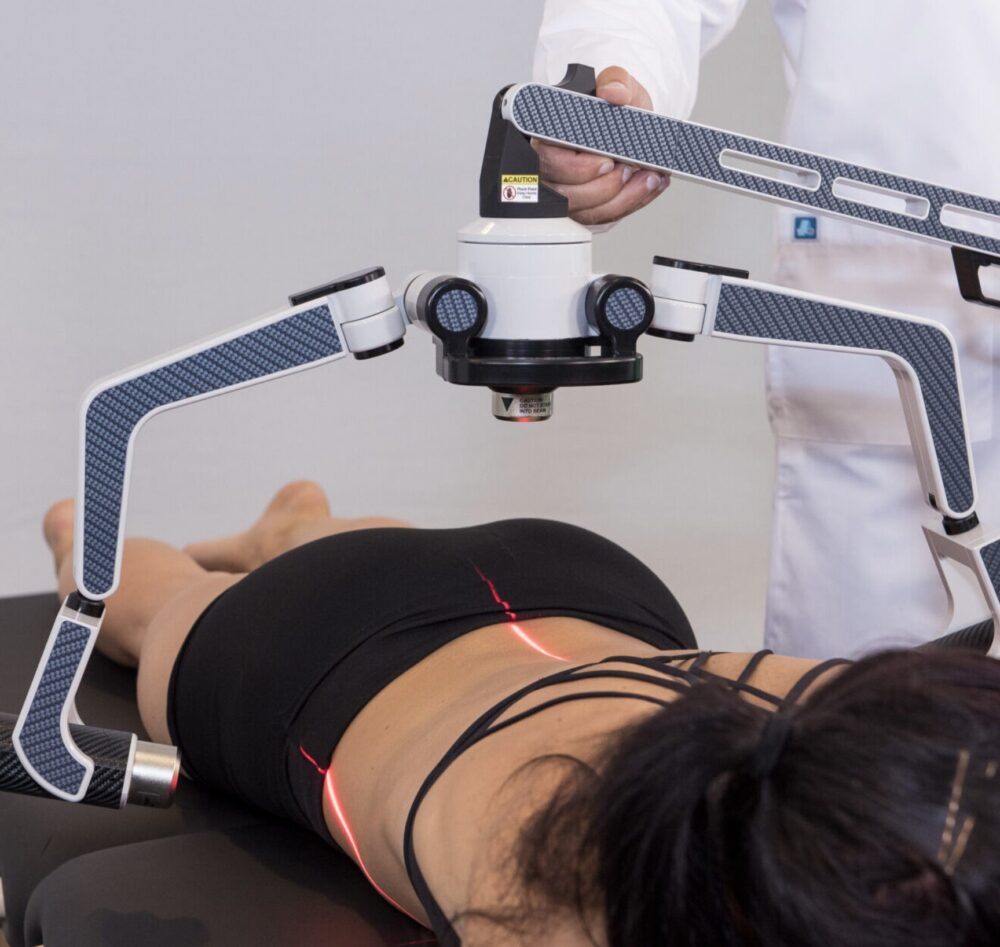
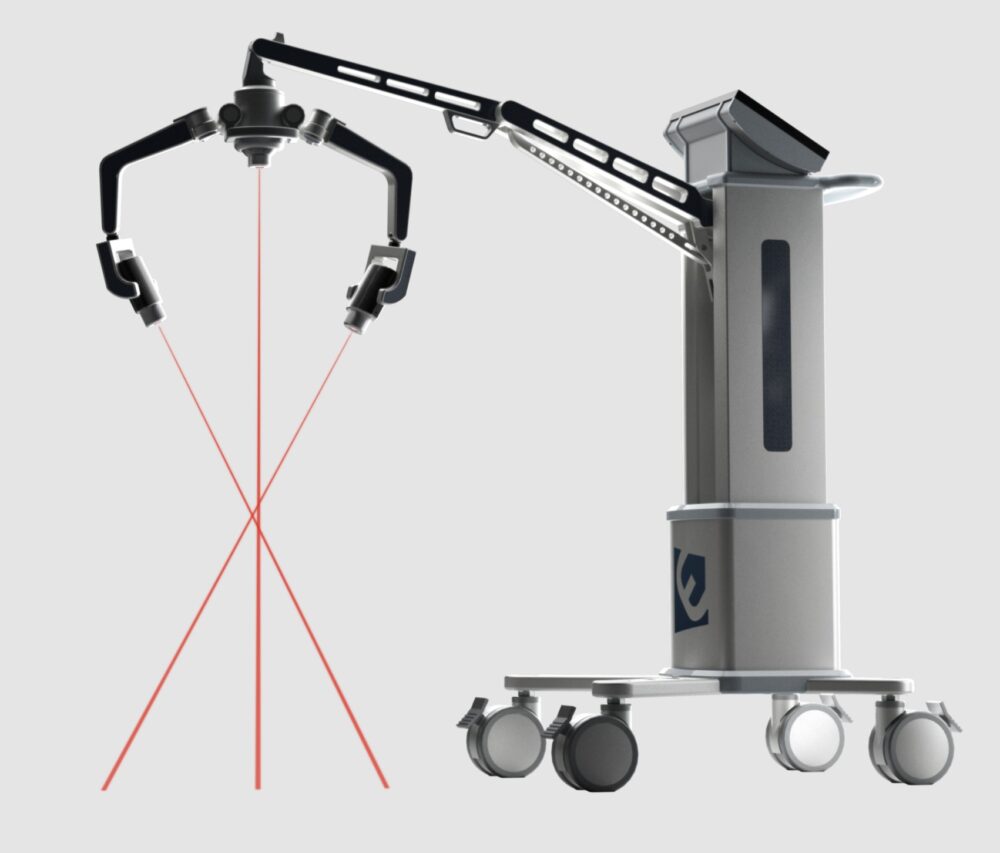
One of the quiet but meaningful shifts happening in rehab clinics today is the integration of technology designed to support healing – not replace human care. Among these tools is low-level laser therapy, often referred to as cold laser therapy. Devices such as the FX 635 Laser by Erchonia Corporation have received FDA clearances for specific indications related to pain and inflammation management. Despite sounding high-tech or intimidating, the concept is straightforward and gentle in practice.
Cold lasers don’t cut, burn, or heat tissue. Instead, they deliver specific wavelengths of light that interact with cells beneath the skin. This light energy helps reduce inflammation, ease pain, and support the body’s natural repair processes. Patients typically feel little to nothing during treatment, and sessions can be incorporated seamlessly alongside traditional therapy techniques.
What makes this approach especially relevant right now isn’t just patient benefit – it’s what it means for therapists.
When technology can help calm pain more quickly or accelerate early stages of recovery, it can reduce the amount of physically taxing manual work required in every session. That doesn’t diminish the therapist’s role; it protects it. Skilled human judgment, hands-on assessment, and personalized care remain essential. Technology simply becomes a tool that allows therapists to work more efficiently and sustainably.
That distinction matters.
Technology in Healthcare: Positive Patient Outcomes
There’s a misconception that introducing technology into healthcare makes it colder or more impersonal. In reality, when used thoughtfully, it can restore something that’s been lost in many clinical settings: time. Time to listen to patients. Time to adjust treatment plans. Time to practice without rushing or risking injury to oneself.
We talk constantly about patient outcomes, but we rarely talk about provider longevity. A healthcare system that depends on burning through its caregivers is not a system built to last. When therapists leave the field due to chronic pain, injury, or exhaustion, patients lose experienced professionals, and clinics struggle even more to meet demand.
Smarter recovery isn’t about doing less for patients. It’s about doing what works – and doing it in a way that’s sustainable for everyone involved.
From a broader perspective, this shift reflects a larger trend in healthcare: moving away from reactive, labor-intensive models and toward approaches that support efficiency, prevention, and long-term wellbeing. Technology, when properly evaluated and responsibly integrated, can help bridge the growing gap between patient needs and provider capacity.
None of this suggests abandoning traditional methods or human expertise. On the contrary, it’s about reinforcing them. The future of physical therapy isn’t machines replacing people. It’s people supported by better tools.
As demand for rehabilitation continues to rise, clinics and practitioners will face tough choices. They can try to work longer hours, see more patients, and push their bodies harder. Or they can rethink old rules and adopt tools that help them do their jobs better, longer, and with less strain.
Recovery shouldn’t feel like a grind, not for patients fighting to get back to their lives, and not for the professionals guiding them through that process. Working harder got us this far. Working smarter is how we move forward.