


Dr. Perlmutter discusses how neuroinflammation influences mood and brain health, and offers key solutions on how to reduce it
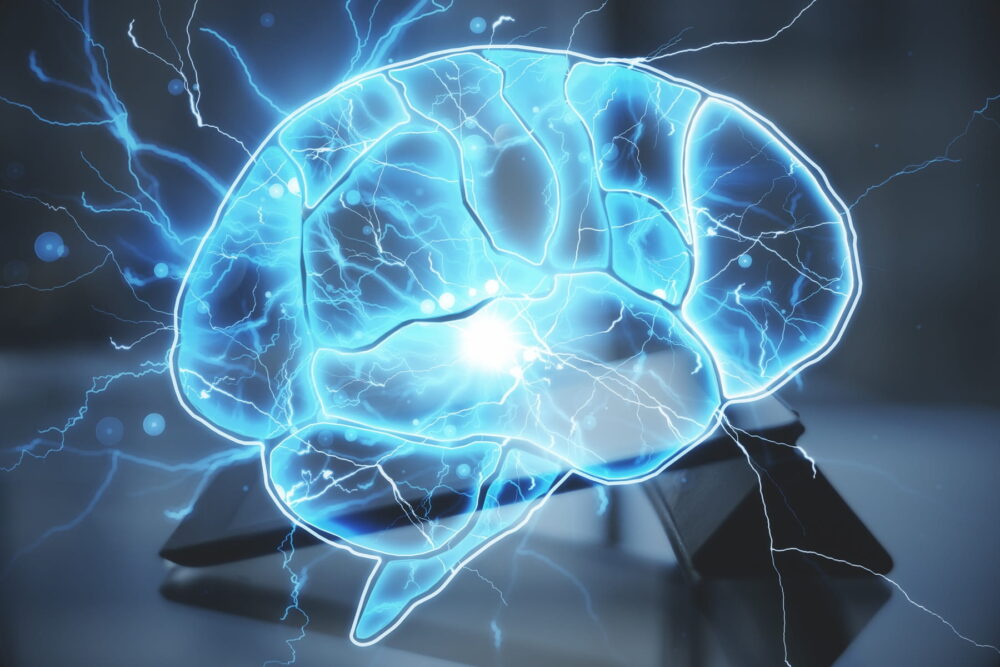
In a recent presentation for the Trauma Conference Series hosted by Conscious Life, board-certified internist Dr. Austin Perlmutter reframed trauma through a neurobiological lens: not solely as a psychological imprint, but as a persistent inflammatory state within the brain. For medical professionals accustomed to siloing psychiatry from immunology, his message was direct. Neuroinflammation is a mechanistic bridge between lived experience and long-term cognitive and psychiatric outcomes.
As Dr. Perlmutter defined it:
“Inflammation in the brain is characterized by activation of the brain’s immune cells, they’re called microglial cells. It’s characterized by damage to the blood-brain barrier… [and] elevation in certain proteins… like tumor necrosis factor alpha and interleukin-6.”
Unlike peripheral inflammation, neuroinflammation lacks obvious nociceptive or visible signs. Yet its downstream consequences may be profound.
Trauma as an Immunologic Event
Traditionally, trauma has been conceptualized as a psychological injury. Dr. Perlmutter argues that this framing is incomplete. When patients experience acute or chronic stressors, the HPA axis initially mounts a cortisol-mediated immunosuppressive response. However, with persistent exposure, regulatory balance deteriorates.
“What happens in the brain, as well as in the body, is that when we experience intense stressors, especially if those stressors are chronic, it can damage our immune balance… if a stressor happens too often, it can throw off the entire balance of the immune system. And this leads to chronic inflammation.”
Mechanistically, chronic stress promotes glucocorticoid resistance and sustained NF-κB activation, leading to persistent transcription of pro-inflammatory cytokines. Microglia, normally surveillant and regulatory, become primed—hyperresponsive to subsequent stimuli. Simultaneously, stress-related disruption of gut barrier integrity and blood–brain barrier permeability increases peripheral-to-central immune trafficking.
The result is a feed-forward inflammatory loop. Trauma drives immune dysregulation; immune dysregulation alters neural circuitry; altered circuitry perpetuates threat perception and stress reactivity.
Importantly, this is not a niche phenomenon confined to severe PTSD. Dr. Perlmutter highlights metabolic dysfunction as a major upstream contributor to neuroinflammatory load. Type 2 diabetes, he notes, “is correlated with high levels of inflammation… correlated with depression… correlated with risk of dementia… and worse brain function.”
With approximately 40% of the U.S. population meeting criteria for prediabetes, he emphasizes that metabolic-inflammatory risk is already present in nearly half of adults.
Hypertension and elevated BMI similarly correlate with systemic inflammation and may compound cerebrovascular vulnerability. From a population-health standpoint, neuroinflammation is less an exception and more a baseline risk state.
Neuroinflammation as a Driver of Psychiatric and Cognitive Dysfunction
One of the most clinically significant aspects of Dr. Perlmutter’s talk is the immediacy of inflammatory effects on mood and behavior. He describes experimental models in which inflammatory signals are introduced, and subjects rapidly develop depressive symptoms.
“They start to feel low mood… they basically start taking on many poor mental health characteristics in real time because of the inflammation that you injected into their body.”
This aligns with the cytokine hypothesis of depression, where IL-6, TNF-α, and other mediators influence monoamine metabolism, increase indoleamine 2,3-dioxygenase (IDO) activity, and shift tryptophan toward kynurenine metabolites. Downstream effects include dopaminergic dysregulation, anhedonia, and psychomotor slowing.
Beyond mood, neuroinflammation correlates with cognitive decline and neurodegeneration. Dr. Perlmutter enumerates conditions with inflammatory associations: “Alzheimer’s, Parkinson’s, multiple sclerosis, ALS… depression, schizophrenia, bipolar… PTSD, ADHD.” Even behavioral phenomena—“violent behavior,” impulsivity, social withdrawal—show associations with inflammatory states.
Crucially, this reframing reduces moralization of psychiatric illness. As Dr. Perlmutter notes, psychological state is: “not purely the result of… decades of experiences,” but also of “changes in our biology in real time.” He challenges the artificial dichotomy between psychotherapy and biology:
“There isn’t a difference between psychology and biology in the sense that it’s all acting on the same pathways.”
This integrated view is especially relevant when considering neuroplasticity. Both antidepressants and cognitive behavioral therapy can increase brain-derived neurotrophic factor (BDNF), enhancing synaptic resilience. Inflammatory states, by contrast, suppress BDNF expression and impair hippocampal neurogenesis. Trauma, inflammation, and impaired plasticity become mutually reinforcing.
Reducing Neuroinflammation: The 6S Framework
While the pathophysiology is complex, Dr. Perlmutter emphasizes pragmatic intervention. He proposes a “6S” framework: stress, sugar, smoke, substances, sedentary behavior, and sleep. Here are a few key elements from four of the six ‘Ss’.
Stress
Chronic stress is foundational. Even brief daily interventions may exert measurable effects. He cites research demonstrating that “20 minutes… of exposure to nature… was enough to lower cortisol in a person’s saliva.” Mindfulness practices, professional mental health support, and limiting inflammatory media exposure all contribute to autonomic recalibration. For clinicians, this suggests incorporating structured stress-modulation strategies into treatment plans for trauma-exposed patients, not as adjunctive “wellness” advice but as anti-inflammatory therapy.
Sugar and Metabolic Health
Of the dietary drivers, added sugar—particularly in beverages—receives emphasis. “If you’re going to clean up your diet… not drinking sugary beverages is number one.” Given the robust association between metabolic dysfunction and neuroinflammatory burden , glycemic control becomes a psychiatric as well as cardiometabolic intervention. Reducing added sugars and addressing insulin resistance may attenuate systemic inflammatory tone and, by extension, central immune activation.
Sedentary Behavior
Exercise exerts both systemic and central anti-inflammatory effects. Dr. Perlmutter recommends roughly five days per week of movement, incorporating resistance training in two to three sessions to activate large muscle groups. Myokine signaling, improved insulin sensitivity, and increased BDNF production likely mediate many of these benefits. Importantly, he emphasizes scalability: “Any movement is better than none.”
Sleep
Sleep may be the most powerful short-term intervention. “Sleep is the most important thing a person can do to improve their brain health,” he states. Sleep deprivation elevates inflammatory cytokines and disrupts glymphatic clearance. Clinicians should aggressively evaluate for sleep disorders, particularly in trauma populations where insomnia and obstructive sleep apnea are prevalent.
Environmental modifications—dark, cool, quiet bedrooms; reduced pre-sleep stimulation—serve as first-line interventions .
Reframing Trauma-Informed Care
Perhaps the most consequential shift Dr. Perlmutter proposes is conceptual. “Everyone’s experience of life… reflects their brain biology.” Neuroinflammation is not destiny, but it is measurable, modifiable physiology.
For medical professionals, this calls for integrating inflammatory assessment—metabolic markers, sleep quality, stress load—into psychiatric and trauma care. It also suggests a broader lens for prevention. If metabolic dysfunction, chronic stress, and environmental exposures are upstream drivers, then neuroinflammatory risk reduction must begin long before neurodegeneration or major depressive disorder manifest.
In short, trauma leaves biological footprints. But those footprints are not fixed. By targeting inflammatory pathways through metabolic optimization, stress modulation, movement, and sleep, clinicians can intervene at the level where psychology and immunology converge—the inflamed brain.