


By Dr. Will Weise, DVM, Infinity Exotics
As veterinary professionals, our responsibility extends far beyond individual patients. Today, preventing species extinction is no longer solely an ecological concern – it is a reproductive challenge, and one that veterinary medicine is uniquely positioned to solve.
Many species on the brink of extinction are reproductively non-viable without intervention. The northern white rhino, for example, can no longer survive through natural breeding alone. Genetic bottlenecks, low numbers of fertile individuals, and shrinking habitats mean that waiting for restoration or natural recovery is insufficient. Conservation has shifted from a philosophical pursuit to a practical, solvable medical problem.
Conservation Medicine as Core Practice
Conservation medicine – applying veterinary principles to species preservation – must be recognized as frontline practice, not a niche specialty. Advanced reproductive technologies (ART), once experimental, are now deployable and scalable tools for operational conservation. What was once “science fiction” is now practical, field-ready, and increasingly essential.
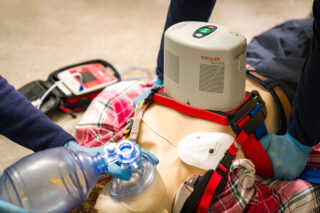
Companies specializing in advanced veterinary equipment and surgical solutions, such as E.I. Medical and Stryker are helping bring high-precision imaging, endoscopy, and minimally invasive surgical tools into both clinical and field settings – critical components for laparoscopic oocyte retrieval and embryo transfer procedures in wildlife species.

Image: Courtesy of E.I. Medical Imaging.
Wildlife Biobanking: The Genetic Safety Net
The first pillar of reproductive conservation is wildlife biobanking. Similar to a financial safety net, biobanks store sperm, eggs, embryos, and other genetic material, safeguarding biodiversity. Properly managed, these repositories act as an insurance policy against extinction. The “Frozen Zoo” concept illustrates the power of this approach, preserving genetic diversity and buying time to apply ART when needed.
Cryopreservation technologies and reproductive media systems, including those developed by global reproduction specialists like Minitube International, are foundational to maintaining viable genetic material across species. Without reliable freezing, thawing, and storage protocols, genetic rescue would not be possible at scale.
IVF and Embryo Transfer in Wildlife
In-vitro fertilization (IVF) and embryo transfer, once limited to livestock production, are now being adapted for wildlife conservation. Portable protocols and mobile surgical units allow these procedures to be performed in remote locations, making it possible to support breeding programs for species that previously struggled to reproduce effectively in captivity.
Embryo transfer, in particular, helps overcome natural reproductive limitations in endangered females. Interspecies surrogacy – where a related, more reproductively robust species carries embryos for an endangered one – expands gestational capacity and preserves valuable genetics.
Working through Infinity Exotics, my colleague Dr. Brittni East and I recently participated in a milestone effort that demonstrated the promise of this approach: the birth of Pope, a critically endangered mountain bongo calf carried to term by a surrogate eland. Pope’s arrival represents more than a single success. It shows how advanced reproductive science, applied thoughtfully and collaboratively, can increase population recovery and help secure the genetic future of species on the brink.
Organizations such as WTA Technologies and specialized consulting firms like ABT360 LLC are also helping bridge private wildlife operations, conservation initiatives, and veterinary innovation – creating funding mechanisms and operational partnerships that expand the reach of reproductive technologies into real-world conservation programs.
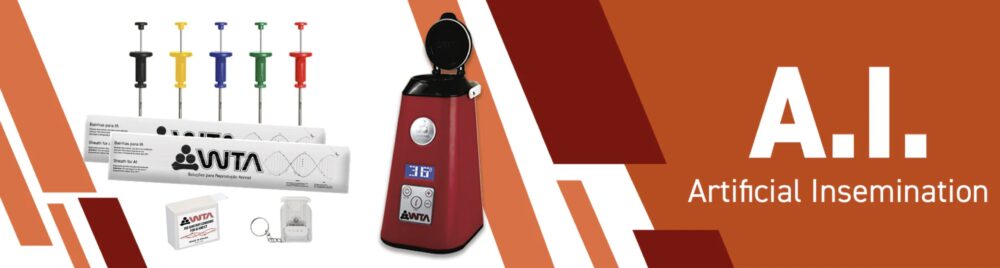
Image: Courtesy of WTA Technologies.
Cloning and Genetic Rescue
Cloning and responsible de-extinction efforts are often misunderstood. Far from being speculative, they serve as vital tools for genetic rescue. In critically low populations, cloning preserves alleles that might otherwise vanish, maintaining diversity and supporting long-term viability. Combined with gene editing and advanced cryopreservation, these methods form a robust and expanding toolkit for species preservation.
As laboratory and surgical technologies continue to improve – supported by leaders in medical instrumentation and reproductive sciences – the reliability and accessibility of these tools will increase across conservation settings.
Key Challenges and Opportunities
The veterinary profession faces several challenges in applying these innovations, including access to technology, ethical considerations, regulatory frameworks, and the need for specialized training. Yet collaboration across zoos, universities, private wildlife reserves, equipment manufacturers, and conservation organizations is increasingly bridging these gaps.
Looking toward 2026, we can expect continued advances in portable ART protocols, improved cryopreservation methods, and broader adoption of interspecies surrogacy. These innovations will enhance our ability to stabilize populations and preserve biodiversity worldwide.
A Solvable Problem
Extinction is no longer inevitable. With emerging reproductive technologies and conservation-focused veterinary practices, species survival is achievable. Conservation medicine allows proactive intervention, ensuring genetic diversity is maintained, populations are strengthened, and biodiversity loss is prevented.
Veterinary professionals are uniquely positioned to lead this effort. By embracing conservation medicine as a core responsibility – and leveraging the tools, technologies, and partnerships now available – we safeguard life on scales both small and large, from the patient in front of us to entire species.
In the modern era, extinction is not fate; it is a solvable challenge.
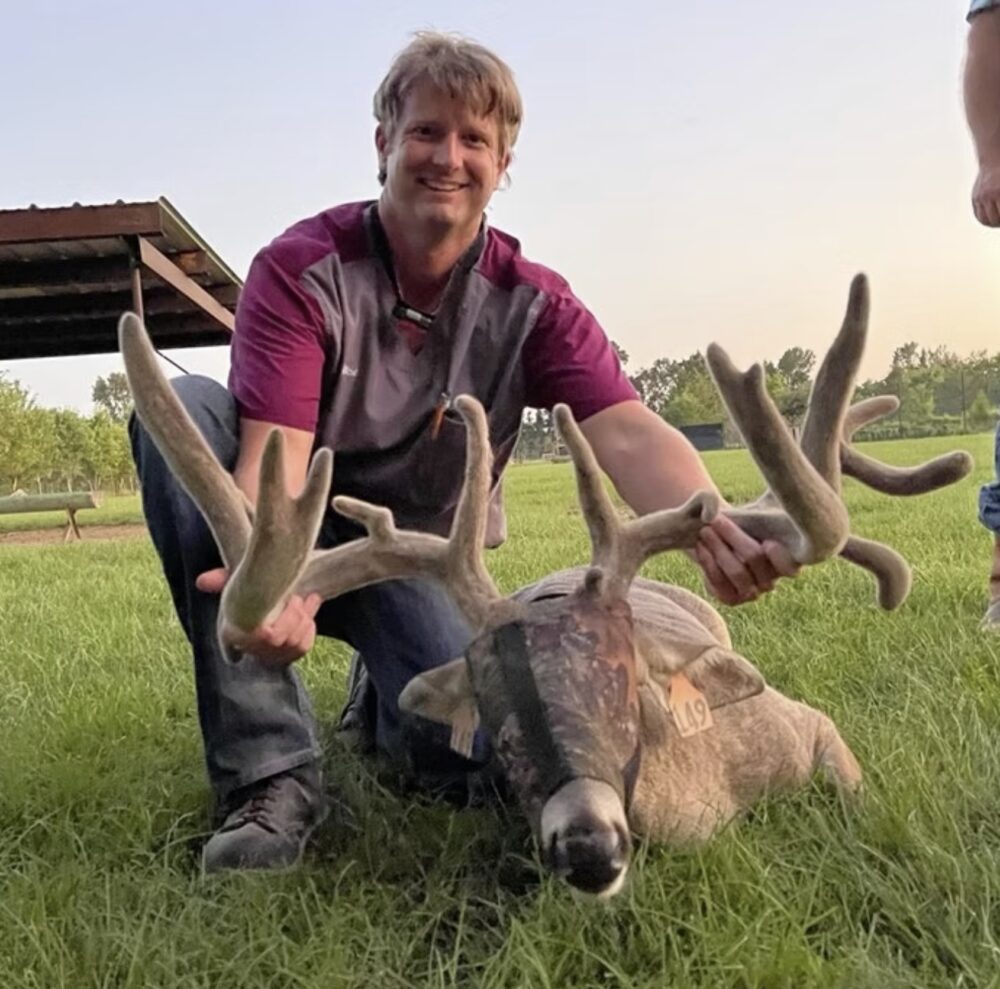
Will Weise, DVM
Will Weise, DVM is an internationally recognized leader in wildlife reproductive technologies with over a decade in the deer, exotic, and wildlife industry. A 2014 graduate of Texas A&M University College of Veterinary Medicine, he has performed thousands of laparoscopic and advanced reproductive procedures for cervids and other wildlife. Through his work with Infinity Exotics, he helps drive cutting-edge innovation in exotic animal reproduction.