



Emerging clinical data and real-world experience suggest molecular hydrogen may play a pivotal role in mitochondrial health, inflammation control, and systemic resilience.
In a hurry? Here are the key takeaways:
- Molecular hydrogen is a highly diffusible, mitochondria-targeted antioxidant:It rapidly penetrates tissues, including the brain, without toxic accumulation, with emerging data supporting roles in oxidative stress modulation, inflammation reduction, and mitochondrial biogenesis.
- Endogenous hydrogen production links gut health, longevity, and systemic resilience:It suggests that hydrogen may function as a clinically relevant postbiotic—particularly in patients with dysbiosis, metabolic dysfunction, neuroinflammation, or impaired recovery states.
Hydrogen therapy—once considered fringe in Western medicine—is steadily gaining scientific credibility as a potential adjunctive treatment in inflammatory, metabolic, and neurodegenerative conditions. Long utilized in parts of Asia, particularly Japan and China, molecular hydrogen is now the subject of expanding clinical research and grassroots adoption. During The Healing Brain Masterclass hosted by Dr. David Jockers, engineer and biohacker Ben Tammette, founder of H2Biohacker, detailed both mechanistic insights and real-world applications of hydrogen inhalation therapy.
The renewed attention follows broader developments in hydrogen-based medical devices, including the advancement of medical-grade hydrogen-oxygen nebulizers into the global market, previously covered in “World’s First Medical-grade Hydrogen-oxygen Nebulizer Advances to Global Markets.” While early adoption has been strongest in Asia, clinicians worldwide are now evaluating hydrogen’s role in oxidative stress modulation, mitochondrial function, and post-viral inflammatory syndromes. As Tammette described it, hydrogen represents “new health science coming to the forefront,” a field where evolving research is beginning to converge with clinical observation.
Hydrogen Therapy and How It Works
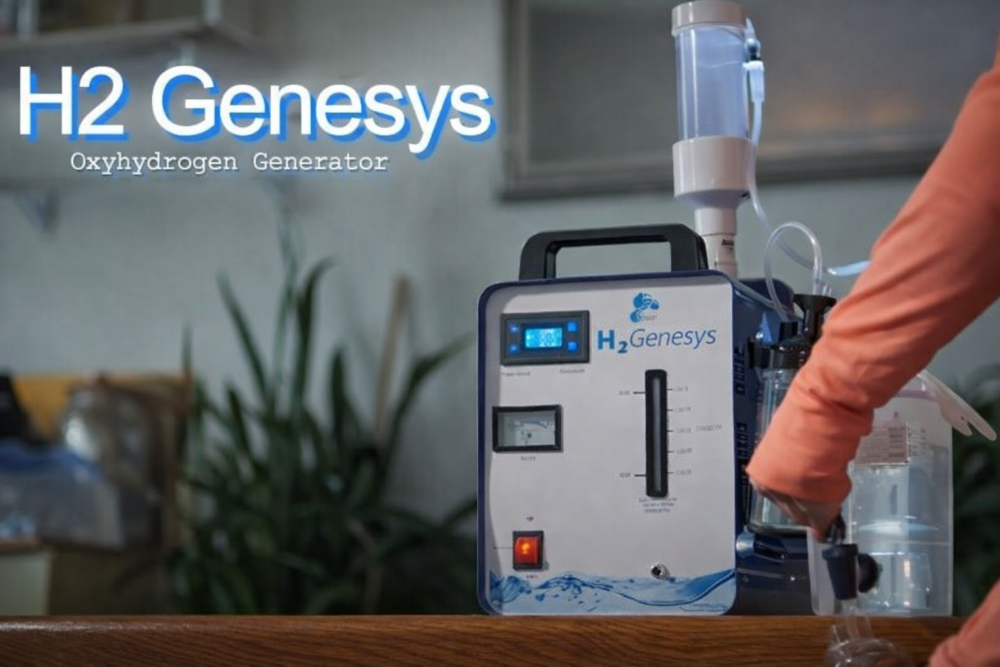
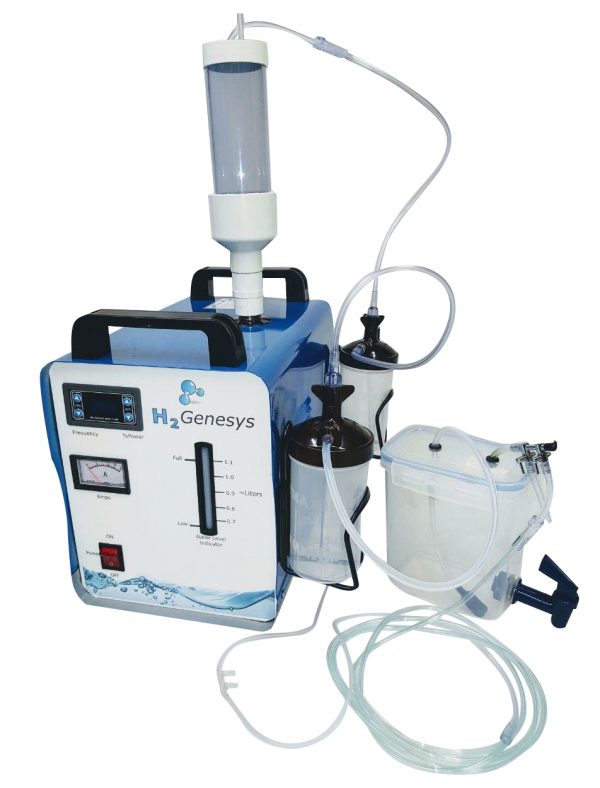
Hydrogen therapy primarily involves inhalation of molecular hydrogen (H₂) gas via nasal cannula. As Tammette explained:
“Hydrogen therapy uses a gas, a hydrogen gas, for the most part through inhalation.”
Its biological plausibility rests on several physicochemical properties: hydrogen is the smallest molecule in existence, highly diffusible, and able to rapidly penetrate cellular membranes, including the blood-brain barrier.
“It does not accumulate, so there’s no toxic buildup, and there’s no measurable toxic effects whatsoever with it,” Tammette stated.
Unlike many antioxidants, molecular hydrogen appears to function not by indiscriminate scavenging, but through selective modulation of oxidative stress and intracellular signaling pathways.
Of particular interest to clinicians is hydrogen’s mitochondrial interaction. Within mitochondria, ATP production relies on proton gradients and electron transport.
“That whole process… is all about separating the proton from the electron,” Tammette noted, adding that hydrogen is “an integral part of that.”
He referenced research suggesting a potential pathway whereby hydrogen may be directly utilized in mitochondrial processes.
Microscopic observations shared during the conference further suggested rapid circulatory effects. Within “10 to 20 seconds of breathing the gas,” Tammette reported observing increased capillary blood flow under live microscopy. He also described a visible reduction of microclotting phenomena, stating that “you can see the clot starts to dissolve and dissipate, and the blood flow are increasing.” While such observations require controlled validation, they align with growing interest in hydrogen’s impact on endothelial function and inflammatory markers such as erythrocyte sedimentation rate (ESR).
The Difference Between Hydrogen Water and Hydrogen Gas Therapy
Hydrogen can be delivered via dissolved hydrogen water or inhaled gas, but Tammette drew a clear distinction between the two.
“About 20 to 30 benefits may come from drinking the hydrogen water,” he said, based on years of client experience.
However, he emphasized dose as a key differentiator. Inhalation devices developed by H2Biohacker can produce “as much as one liter of hydrogen gas per minute,” with recommended sessions ranging from one to three hours daily. By contrast, he explained, “you can’t fit a liter volume of hydrogen gas into a liter of water. It’s physically impossible.” Dissolved hydrogen in water exists in significantly smaller concentrations, potentially below what Tammette described as a therapeutic threshold.
Early research was conducted largely using hydrogen-rich water due to the ease of administration and placebo control. However, Tammette observed that “more and more of the research is leaning towards inhalation nowadays,” as higher dosing and systemic delivery appear to produce more robust physiological responses.
Clinically, inhaled hydrogen reaches pulmonary tissue directly and rapidly diffuses systemically. During respiratory illnesses in Asia, hydrogen inhalation was reportedly used as supportive therapy. Tammette cited observations from China suggesting shortened recovery times, stating patients experienced improvements “as fast as two or three days, as opposed to two or three weeks.” Though such claims require rigorous randomized trials, they reflect growing international interest in hydrogen’s anti-inflammatory and potential antiviral properties.
How Hydrogen Impacts Gut Health and Mitochondrial Function
An often-overlooked aspect of hydrogen biology is endogenous production. In a healthy gut microbiome, the body naturally generates “between six to twelve liters a day of hydrogen,” Tammette explained. This production occurs as a byproduct of bacterial fermentation of dietary fiber. The implication for clinicians is significant. Dysbiosis may reduce endogenous hydrogen availability, potentially limiting a naturally evolved regulatory mechanism.
“Your body doesn’t produce hydrogen in any other way other than through the gut,” Tammette noted.
He referenced longevity research in Japan showing that centenarians exhibited a fourfold higher level of exhaled hydrogen compared to younger populations. While correlation does not establish causation, the findings suggest a possible link between microbial hydrogen production and healthy aging. Hydrogen also appears to interact with mitophagy and mitochondrial biogenesis—mechanisms central to cellular renewal.

“Hydrogen alone is associated with… the production of new mitochondria and also the disassembly of damaged mitochondria,” Tammette stated.
This overlap with fasting-induced autophagy led him to describe hydrogen as synergistic with metabolic stress strategies. During fasting, reactive oxygen species (ROS) are released as cells clear damaged components. Hydrogen, he said, “is there to neutralize those,” while also stimulating endogenous antioxidant systems such as glutathione.
For neurologically focused practitioners, the implications are noteworthy. Hydrogen readily crosses the blood-brain barrier and may enhance cerebral mitochondrial efficiency.
“There’s so much mitochondria in your brain cells that that really has an effect to light them up,” Tammette remarked, describing improvements in brain fog and concentration without stimulant-like effects.
How to Use Hydrogen Therapy for Optimal Results
Dosing remains an evolving discussion. Based on real-world experience, Tammette recommends “a half hour to an hour a day” as a minimum inhalation protocol, with “two to three hours a day” for individuals seeking more intensive therapeutic effects. Some users experiment with overnight low-flow exposure. Unlike stimulants, hydrogen’s effects appear cumulative.
“If you stop it, the effects last for two, three, four more days if your body has been saturated,” he said.
Users often notice fatigue or cognitive decline after discontinuation, with rapid improvement upon resumption.
Externally, hydrogen can be applied to injured joints using localized “bagging” techniques to enhance diffusion into tissues with limited blood supply. Tammette described improvements in chronic musculoskeletal conditions and circulation-related complications, including anecdotal cases of improved mobility in severe diabetic presentations.
As hydrogen therapy remains difficult to patent and commercialize within traditional pharmaceutical models, Tammette believes adoption has been slower in Western systems. Nevertheless, increasing peer-reviewed research and expanding global device availability suggest momentum is building.
For medical professionals, hydrogen therapy represents a low-toxicity, mechanistically plausible intervention warranting further investigation. As Tammette concluded, its appeal lies in simplicity: once a device is obtained, “all you need is electricity and distilled water, and you’re good for life.”