


By: Dr. Mike Mossop, DVM, Co-Founder of CoVet
Veterinary medicine is entering 2026 under pressure. Staffing shortages and mounting administrative demands have left many teams operating in survival mode. The profession’s burnout challenge is well-documented and deeply felt.
But artificial intelligence is beginning to shift that trajectory. Not by replacing veterinarians or diminishing clinical expertise, but by removing friction from the daily workflow. Across documentation, diagnostics, and laboratory analysis, AI tools are helping practices reclaim time, reduce cognitive overload, and refocus on what matters most: patient care.
Three platforms are illustrating this shift clearly: CoVet, Signal Pet, and Zoetis’s Imagyst system.
AI in the Clinic: CoVet
Burnout in veterinary medicine is often less about medicine itself and more about the administrative and communication work surrounding it: medical records, treatment plans, discharge instructions, and after-hours charting. For many veterinarians, documentation fatigue can quietly dull the joy of the job.
CoVet was built to address that pressure point directly. Created by veterinary professionals who understand the pace and complexity of clinical life, it serves as an AI co-pilot that reduces administrative strain without disrupting established workflows. Its tools are designed around real-world practice — adaptable across general practice, specialty care, and large-animal medicine — and integrate seamlessly into both solo clinics and multi-location groups. Rather than adding another system to manage, CoVet aligns with the natural rhythm of the day.
Most importantly, AI tools like CoVet shift attention back to the exam room. Fewer hours spent on administrative tasks means more mental space for clinical reasoning, deeper conversations with clients, and stronger engagement with patients. In a profession where emotional connection is central, reclaiming that presence is powerful.
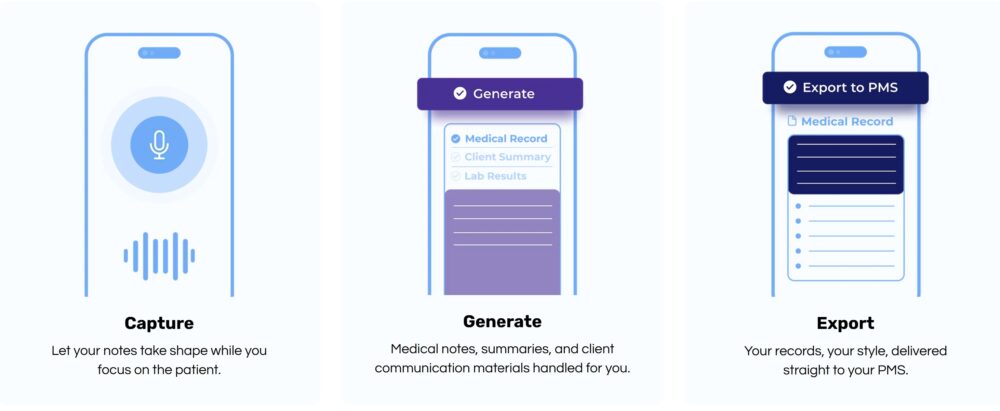
Image: Courtesy of Co.Vet
AI in Imaging: Signal Pet
Radiology is another area where time and cognitive load converge. Waiting on reads, managing urgent cases, and juggling multiple diagnostics can stall decision-making and compound stress during busy clinic days.
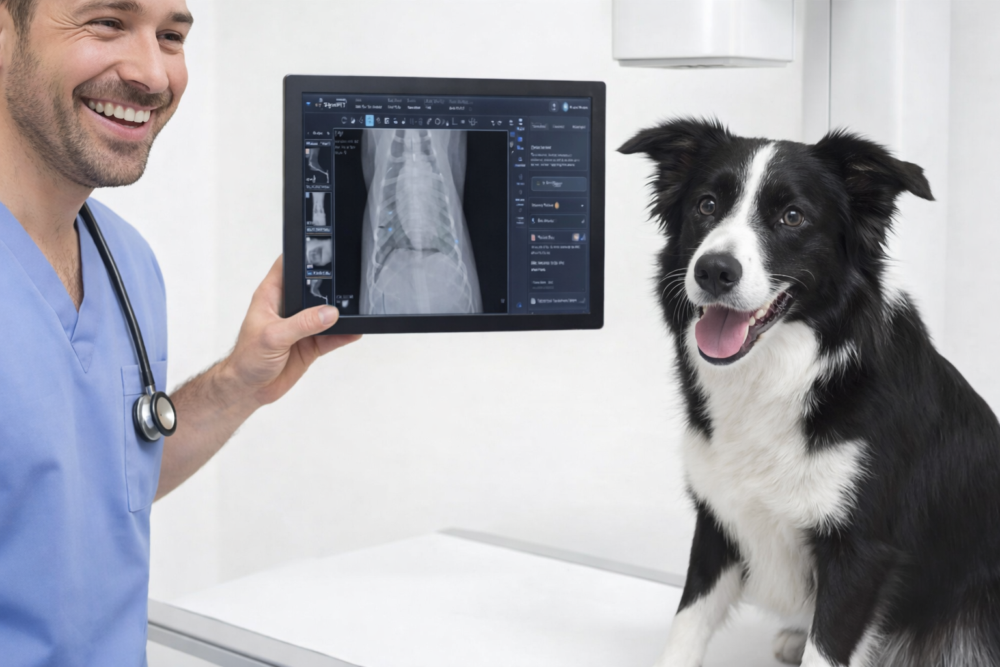
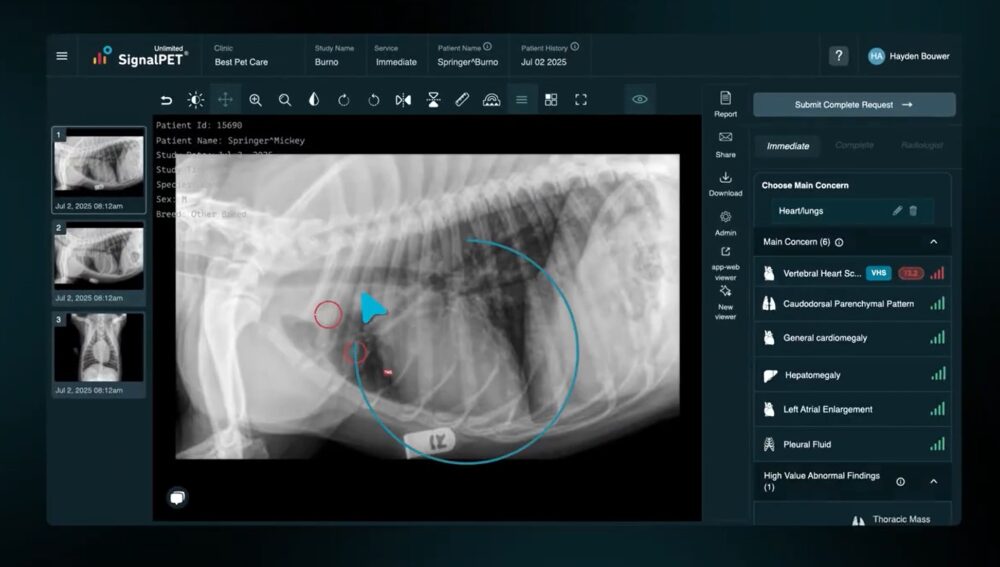
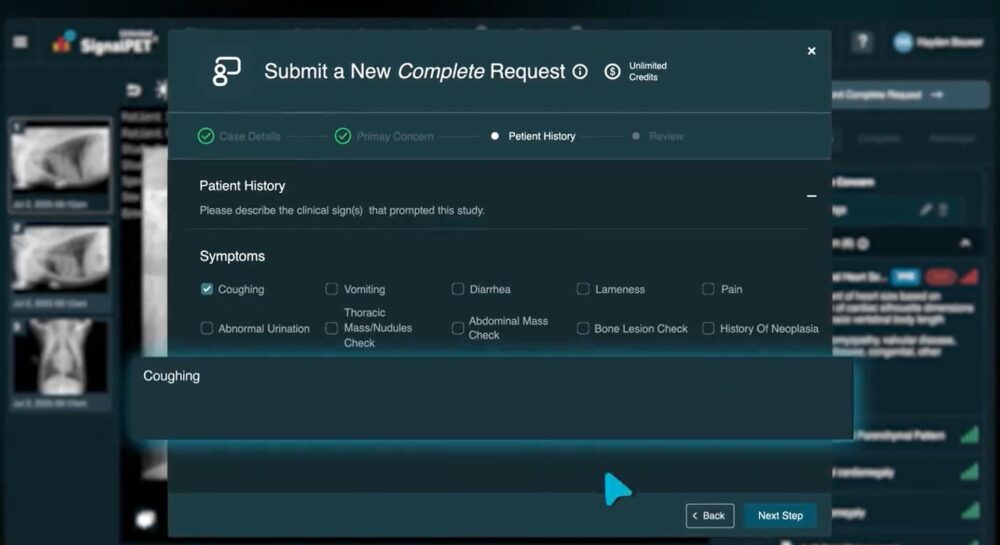
Signal Pet brings that shift within reach. Using AI to deliver radiograph interpretations in minutes, the platform provides veterinarians with timely preliminary insights that support confident decision-making. For general practitioners in particular, it shortens the gap between capturing images and accessing expert-level analysis, allowing appointments to progress with clarity instead of pausing.
Beyond speed, AI-supported radiology offers a practical layer of support. By flagging and escalating potential abnormalities and areas of concern, it reduces the cognitive load of reviewing image after image, especially at the end of a long day. The result is not a replacement for clinical judgment, but reinforcement of it: less second-guessing on routine cases, and more focused attention where it truly matters.
The goal isn’t for automation to replace clinicians, but to strengthen them. With tools like Signal Pet supporting radiologists, they can review more cases in less time, bringing down both the cost and wait times for general practice vets and clients.
AI in the Lab: Data Processing, Clinical Engagement, and more with Zoetis’s Imagyst Platform
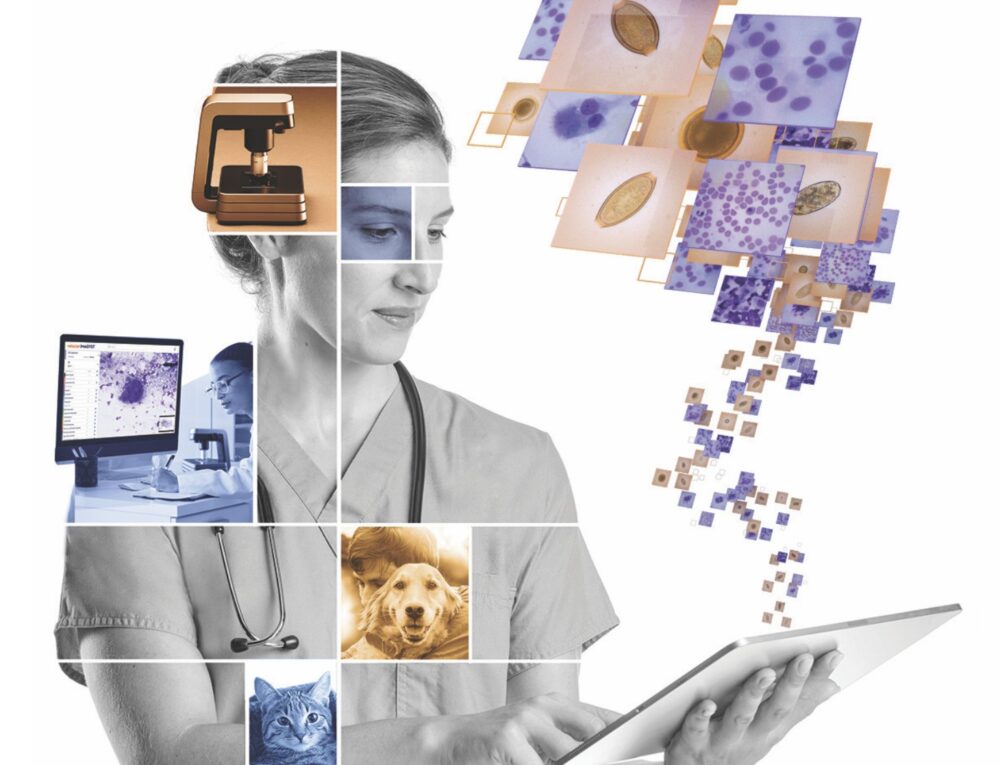
Laboratory diagnostics have traditionally introduced another bottleneck in the workflow. External lab turnaround times delay treatment decisions and often require follow-up communication that extends the workday. Zoetis’s Imagyst platform represents a broader shift toward AI-powered in-clinic laboratory analysis. By combining diagnostic equipment with artificial intelligence for fecal testing, cytology, and dermatology assessments, Imagyst enables faster interpretation and same-visit decision-making.
For veterinarians, that speed translates into momentum. Instead of waiting for results, they can diagnose, explain, and initiate treatment in a single appointment. That efficiency improves client satisfaction while also reducing the burden of tracking pending cases and managing callbacks. When routine diagnostics are supported by machine learning, clinicians can devote more mental bandwidth to complex cases and meaningful client communication.
From Exhaustion to Engagement
The cumulative effect of these technologies is significant. AI-assisted documentation reduces after-hours charting. Rapid radiology insights accelerate decisions. In-house AI lab analysis shortens diagnostic cycles.
As 2026 unfolds, the most forward-thinking veterinary practices will view AI as valuable infrastructure, absorbing repetitive tasks and surfacing actionable insights. The future of veterinary medicine will not be defined solely by workload or workforce constraints. It will be shaped by how intelligently the profession integrates tools that protect its most valuable resource: the people delivering care.
With platforms like CoVet, Signal Pet, and Zoetis Imagyst leading the way, AI is poised to move the industry from burnout toward a more sustainable, energized model of pet care — one where technology supports compassion, rather than competing with it.

Dr. Mike Mossop
Dr. Mike Mossop, DVM, is the Co-founder and CVO of the veterinary AI CoPilot, CoVet, where he leads the in-house medical team.
At a high level, Mike Mossop is most interested in being a driver of change at the intersection of technology and veterinary medicine. He believes that by fostering innovation and unleashing creativity, we can continue to propel the veterinary profession forward, enhancing the well-being, satisfaction, and health outcomes of beloved pets, their devoted owners, and dedicated veterinary professionals.