


New robotic navigation platforms are bringing teleoperated vascular interventions closer to clinical reality.
In a hurry? Here are the key points to know:
- Remote interventional radiology is becoming feasible.Demonstrations such as transcontinental robotic procedures show how teleoperated platforms could allow specialists to treat patients across large distances./li>
- Three emerging robotic systems illustrate different approaches:The Sentante platform with haptic feedback and teleoperation capabilities, the portable LIBERTY robot designed for flexible deployment, and the GenesisX magnetic navigation system with extensive clinical experience.
- Robotic technology may expand procedural precision and access to care.Still, experts stress that more clinical evidence, cost-effectiveness data, and training will be needed before widespread adoption in interventional radiology.
At the European Congress of Radiology in Vienna, a session titled Artificial intelligence (AI) and robotics in interventional radiology explored how emerging robotic systems may reshape minimally invasive procedures. Professor of interventional radiology, Stavros C. Spiliopoulos outlined how robotics is evolving from experimental systems to clinically viable tools capable of expanding access to care.
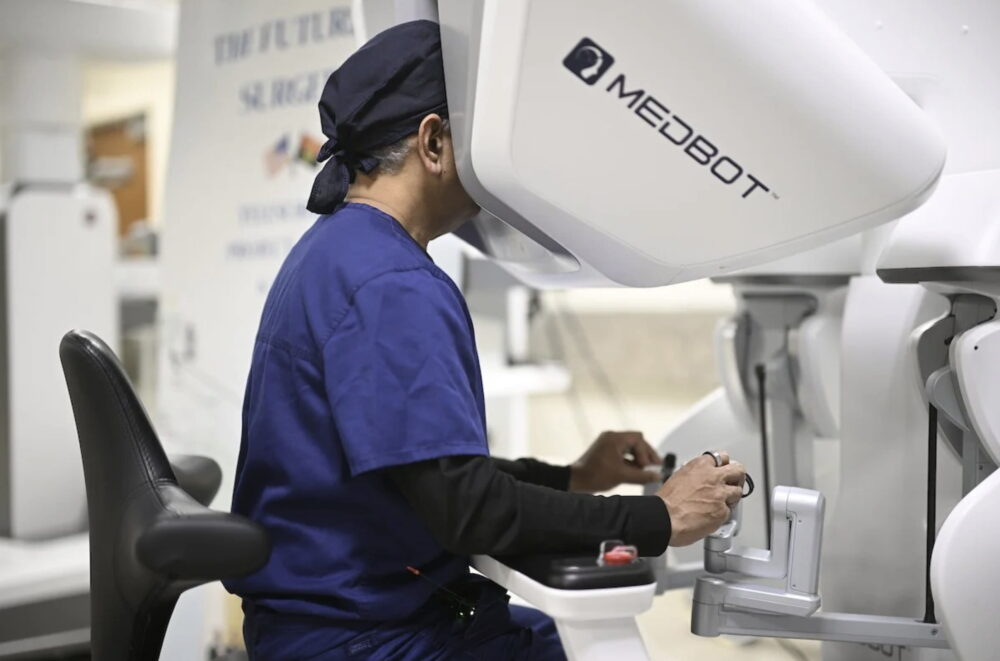
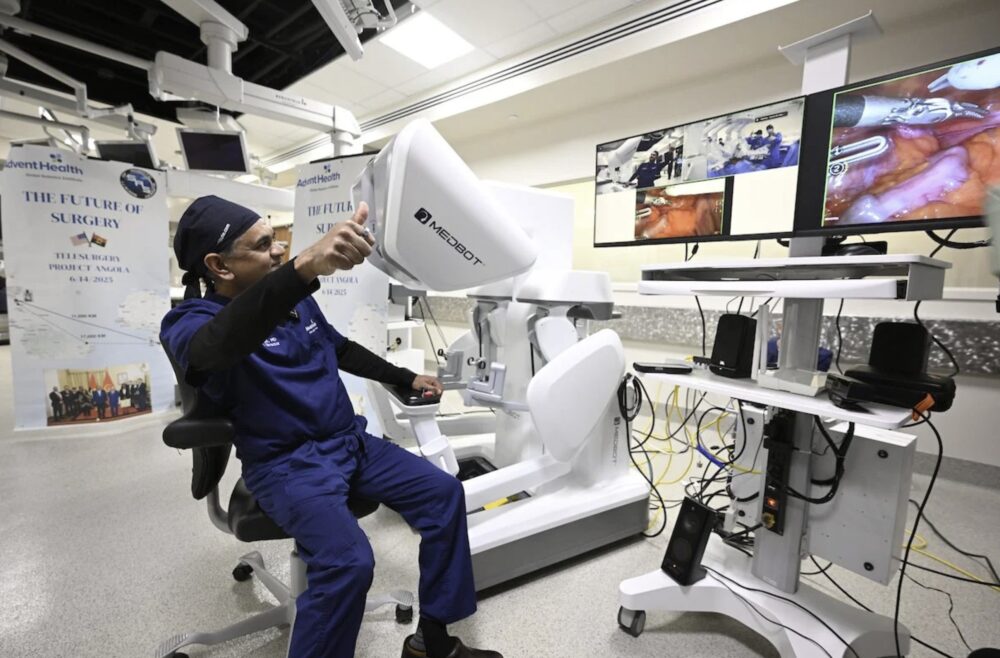
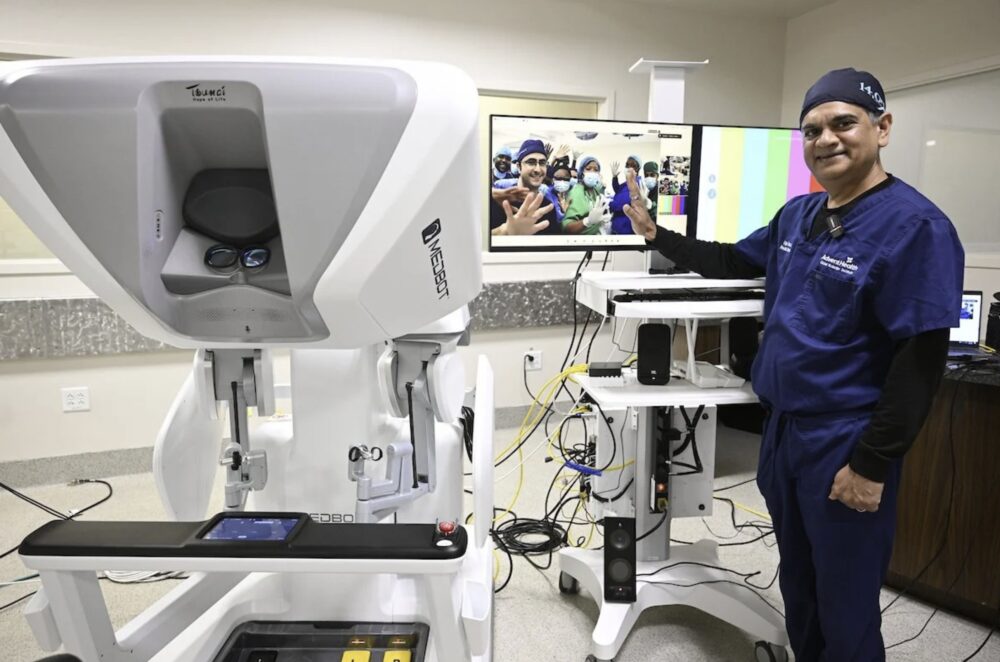
Spiliopoulos framed remote interventional radiology as a key future direction for the field. The concept is no longer theoretical: in 2025, urologist Vipul Patel performed a robotic radical prostatectomy on a patient in Angola while operating from Florida. Roughly 11,000km away, he used a high-speed fibre-optic connection designed to minimize latency. The transcontinental procedure demonstrated how robotic platforms can decouple surgical expertise from geography.
According to Spiliopoulos, similar teleoperation capabilities are now being developed for endovascular procedures.
“These technologies are here,” he told the audience, emphasizing that robotics should be viewed as tools that expand clinical capability rather than replacements for physician judgement.
He focused on three emerging robotic systems currently being developed for vascular and endovascular interventions: the Sentante platform, the LIBERTY system from Microbot Medical, and the GenesisX robotic magnetic navigation platform from Stereotaxis.
Sentante: Remote Robotics with Tactile Feedback
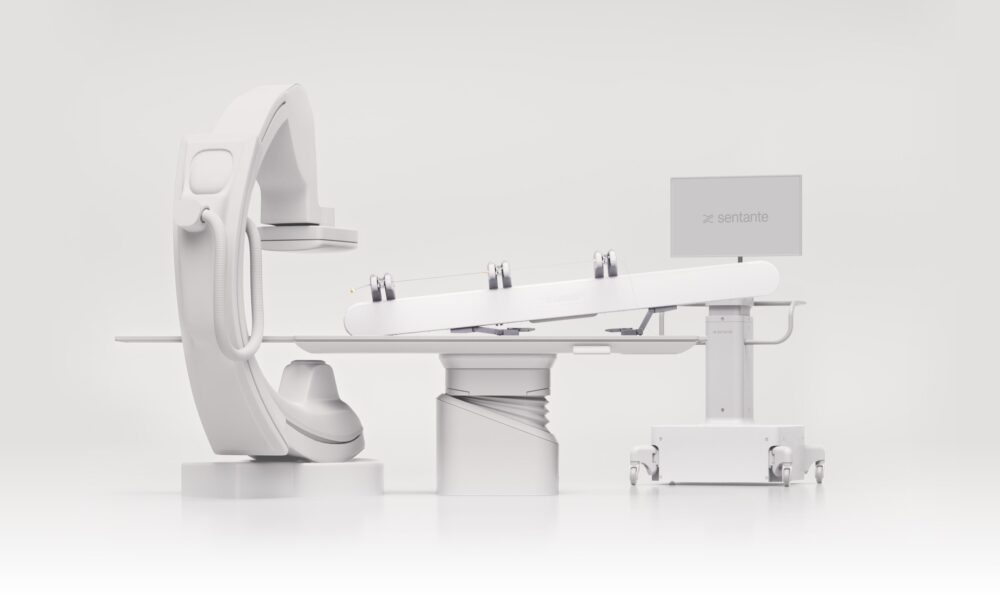
The Sentante robotic platform, a teleoperated endovascular robot, allows physicians to manipulate catheters and guidewires remotely while maintaining tactile sensation. Founded in 2017 by the Lithuania-based company Sentante, the robotic system is currently progressing toward regulatory clearance for peripheral vascular interventions, with market entry targeted for 2026.
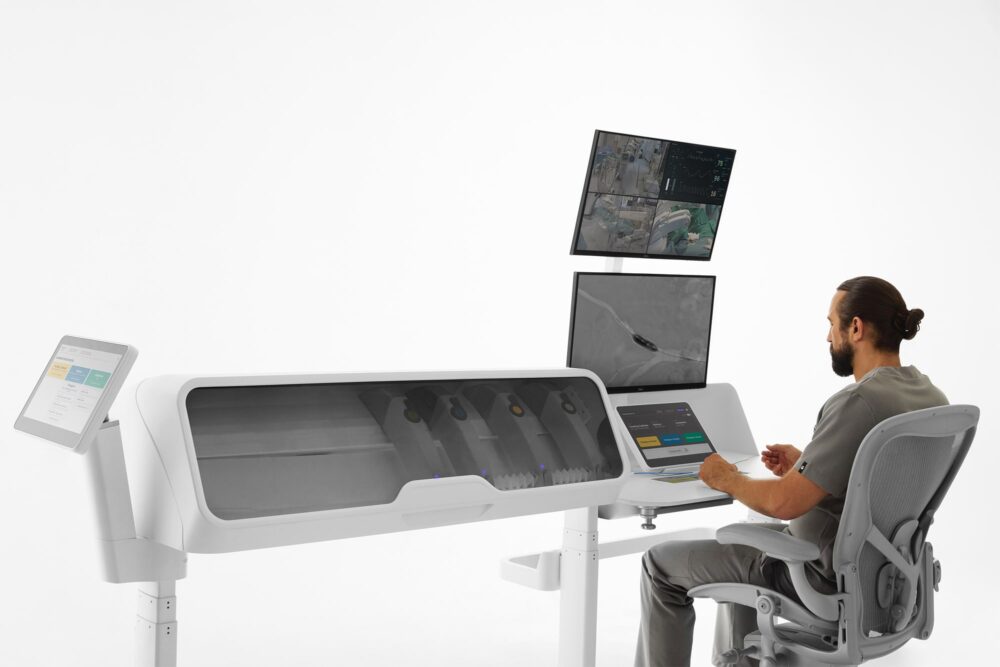
Unlike many robotic catheter systems, Sentante is designed as a device-agnostic platform, meaning it works with standard off-the-shelf catheters and guidewires rather than proprietary tools. The bedside robotic unit performs the physical manipulation of devices, while physicians control the procedure from a remote workstation using imaging guidance.
A distinguishing feature is its haptic feedback system, which digitally transmits the resistance and pressure encountered inside vessels to the operator. According to Spiliopoulos, this feature allows clinicians to “really feel the pressure and the stenosis,” recreating a sensation similar to manual catheter navigation.
The technology has already been demonstrated in remote procedures. In 2025, surgeons in Florida and Scotland performed the world’s first robotic thrombectomy remotely using the platform at the University of Dundee, highlighting the system’s potential to enable specialists to treat stroke patients across long distances. Such capability could address a longstanding challenge in stroke care—uneven geographic access to thrombectomy centres.
Only last month, the company announced it has been accepted into the U.S. Food and Drug Administration ( FDA ) Total Product Life Cycle (TAP) Advisory Program for its SENTANTE™ Stroke System.
Spiliopoulos stressed that while early demonstrations are promising, robust clinical trials and cost-effectiveness data remain necessary before widespread adoption.
LIBERTY: A Portable Robotic System for Endovascular Navigation
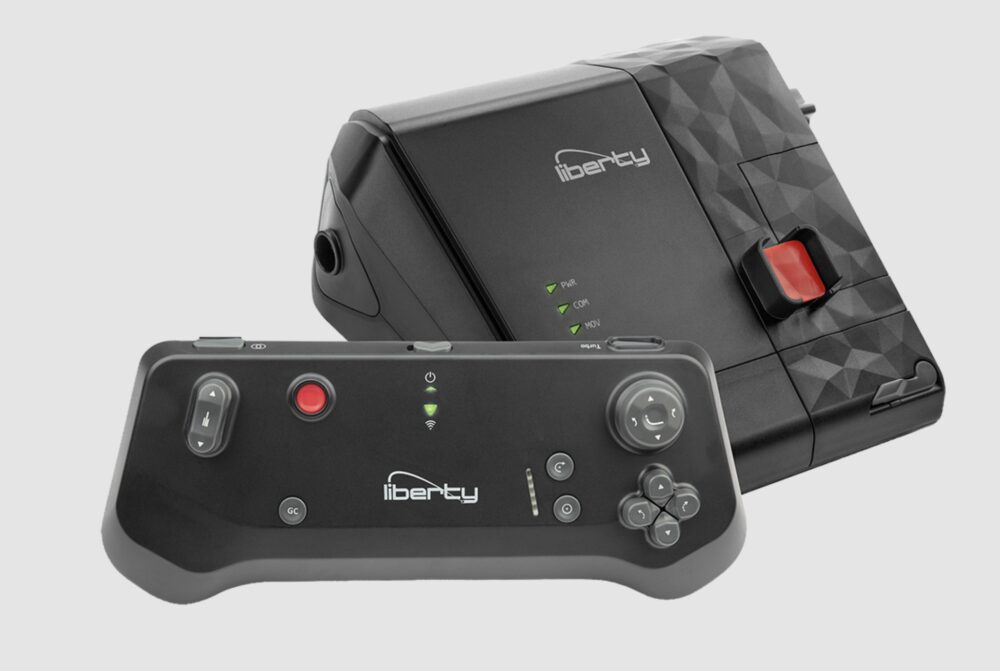
Unlike larger robotic installations integrated into catheterisation labs, Microbot Medical developed LIBERTY as a portable, single-use robotic platform. According to Spiliopoulos, its compact design means the system “is single-use portable—you can just put it in your bag,” reflecting a shift toward smaller and more flexible robotic tools.
The LIBERTY system was first introduced publicly around 2019 and has since progressed through preclinical and early clinical evaluations. The platform consists of a bedside robotic unit that manipulates standard guidewires and microcatheters while the physician controls movement remotely via a workstation interface.
In experimental testing performed by Spiliopoulos and colleagues, the robot demonstrated high technical performance. In animal studies conducted at his university, researchers achieved 100% technical success in visceral artery catheterisation in pigs, using standard off-the-shelf endovascular devices.
The platform’s portability differentiates it from traditional robotic systems, potentially enabling deployment across multiple operating suites or hospitals. This mobility could make robotic navigation feasible in centres without dedicated robotic infrastructure. However, Spiliopoulos noted that evidence remains limited compared with older robotic systems.
“We have very little data for the portable system,” he said, emphasizing the need for larger clinical studies to determine safety, efficiency and cost effectiveness.
GenesisX: Established Robotic Navigation with Eextensive Clinical Data
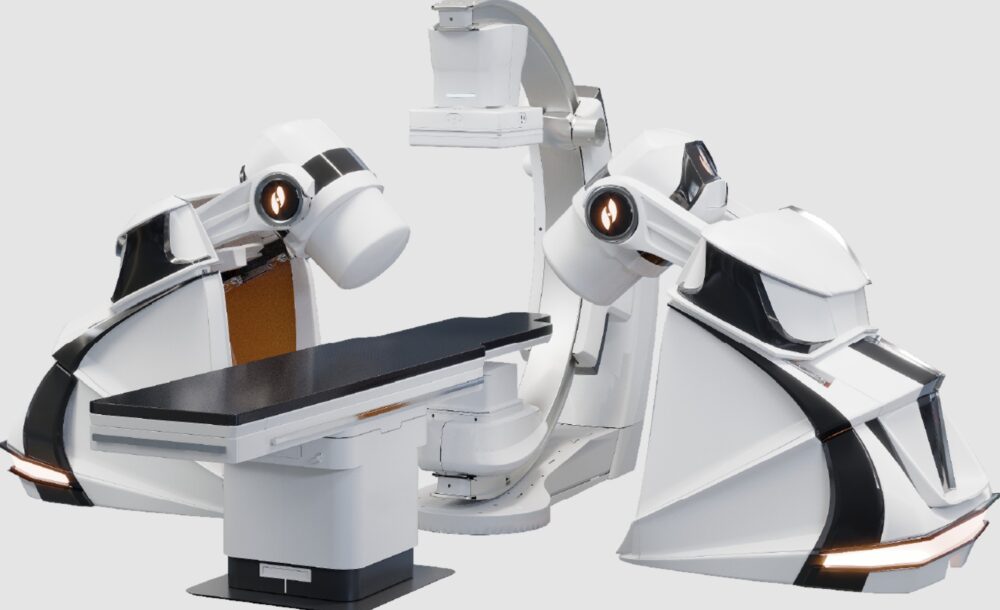
GenesisX platform from Stereotaxis represents a more mature generation of endovascular robotics. Launched in 2023, GenesisX arrives as the next generation of Stereotaxis’ magnetic navigation systems, building on decades of clinical experience with robotic catheter navigation in cardiac procedures.
Unlike mechanical robotic manipulators, GenesisX uses magnetic navigation to guide specially designed catheters inside blood vessels. Large external magnets surrounding the patient generate a magnetic field that steers the catheter tip with high precision, while physicians control the system from a workstation outside the radiation field.
The system is typically integrated directly into a catheterisation laboratory rather than being portable. As Spiliopoulos explained:
“One is mechanical, the other has magnetic catheter equipment,” highlighting the technological contrast between systems such as LIBERTY and GenesisX.
GenesisX also differs economically from newer systems: it requires a significant initial capital investment but may offer lower per-procedure costs once installed. Importantly, the platform benefits from decades of clinical data generated with earlier Stereotaxis systems used primarily in cardiac electrophysiology. This long evidence base gives it a level of validation that newer robotic systems are still working to achieve.
In November 2025, the company received U.S. Food and Drug Administration 510(k) clearance for GenesisX. This, after many years of challenging infrastructure demands that limited the adoption of robotic technology, will now dramatically simplify installation for physicians interested in its clinical benefits.

Robotics as Tools, not Replacements, for Clinical Expertise
Despite the excitement surrounding robotic systems, Spiliopoulos cautioned that they should not be seen as a cure-all. Robotic platforms may increase procedural precision, reduce radiation exposure for clinicians, and potentially enable long-distance intervention. Yet they also introduce new challenges, including higher procedural costs, specialized training requirements and the need for more clinical evidence.
“Robotic systems are not a panacea,” he said. “They cannot substitute clinical judgment.”
Nevertheless, he argued that their potential impact is significant. Market projections suggest the medical robotics sector could approach $50 billion by 2035, with particularly rapid growth expected in vascular robotics.
Ultimately, Spiliopoulos concluded, robotics will likely become integrated into interventional radiology practice as consensus develops regarding their safest and most effective use. The technology, he said, is already reshaping what is technically possible.
“The fact is that these technologies are here,” he told the audience. “Their adoption will only scale as we gather the evidence and ensure the best outcomes for our patients.”