



In-home euthanasia provides a compassionate, personalized alternative that supports pets, comforts families, and fosters emotional well-being among veterinary professionals.
By Dr Bethany Hsia, DVM and co-founder of CodaPet
In recent years, veterinarians providing end-of-life care have observed a steady increase in requests for in-home euthanasia services. This shift reflects a growing desire among pet owners for a more personalized, peaceful experience that honors the emotional significance of saying goodbye in a familiar setting.
A recent survey of pet owners who selected in-home euthanasia revealed that 87.7% preferred the experience to an in-clinic procedure by a factor of ten. The reasons most frequently cited included the pet’s ability to remain in comfortable surroundings, the presence of loved ones, the opportunity for a meaningful farewell, and the ability to control the timing, environment, and participants in the process.
While these motivations are understandably pet- and owner-focused, the implications for veterinarians and the profession as a whole deserve equal consideration. When conducted under appropriate medical circumstances—where the patient is stable enough for at-home care—in-home euthanasia may offer significant advantages not only for animals and their caregivers but also for veterinarians and clinical practice itself.
The Human Dimension of Veterinary Medicine
The emotional toll of veterinary practice is well-documented. Veterinarians face some of the highest rates of stress, compassion fatigue, and burnout in healthcare. Contributing factors include increasing corporatization, productivity pressures, and the demand for shorter appointment times and higher case throughput. In this environment, the relational aspect of care—building rapport and emotional connection with clients and patients—often becomes compromised.
Yet rapport is not merely a courtesy; it is essential to the quality of care. Trust between client and clinician enhances compliance, facilitates shared decision-making, and improves patient outcomes. Equally important, the emotional connection between veterinarian, patient, and client can profoundly impact professional satisfaction. Many practitioners describe a sense of renewed purpose when working with families who are kind, understanding, and receptive—moments that remind them why they chose this vocation in the first place.
By contrast, clinic-based euthanasia appointments can create emotional dissonance. Veterinarians may be required to console grieving families one moment and transition directly into routine puppy or kitten exams the next. While such rapid emotional shifts are sometimes unavoidable, they can contribute to internalized stress and emotional suppression, eroding long-term well-being.
Benefits of In-Home Euthanasia for Veterinarians
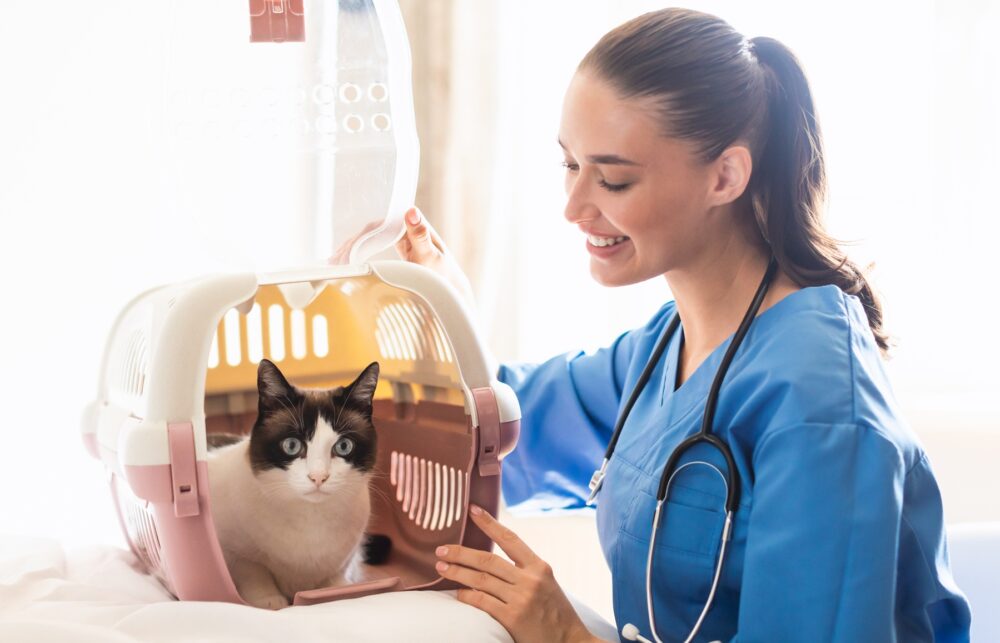
For many veterinarians, in-home euthanasia provides a more sustainable and emotionally rewarding alternative. These appointments are typically scheduled for longer durations—often 60 minutes or more—allowing time for meaningful conversation, emotional support, and closure. The setting naturally encourages compassion and mindfulness, allowing practitioners to connect with families in a more genuine and unhurried manner.
The act of traveling to and from the client’s home also offers a subtle but important benefit: time for emotional preparation and decompression. The drive before the appointment provides space to mentally organize the process and review the patient’s history, while the return journey offers a private moment to reflect, process, and reset before the next case.
Additionally, in-home visits provide valuable environmental context. Observing a patient within their home environment often reveals insights into mobility challenges, environmental stressors, or caregiver routines that may not be apparent in a clinical setting. For long-term patients, it strengthens the veterinarian’s understanding of the human-animal bond. For new clients, it allows for holistic quality-of-life assessments and, occasionally, for guidance that may improve comfort and delay the need for euthanasia.
Ultimately, these experiences reinforce a veterinarian’s connection to both patient and purpose. By engaging deeply and compassionately at a pet’s end of life, clinicians can find emotional balance and professional fulfillment in one of the most difficult—but meaningful—services they provide.

Benefits for the Veterinary Profession and Clinical Operations
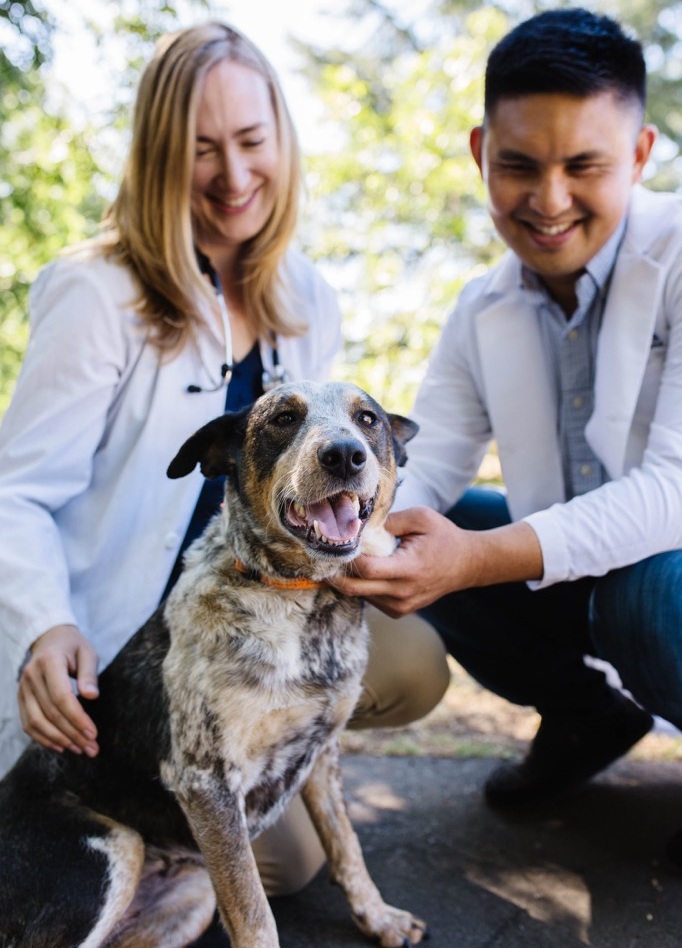
The advantages of in-home euthanasia extend beyond the individual veterinarian to the veterinary profession and clinical workflow as a whole.
When euthanasia appointments are conducted outside the clinic, hospital resources and schedules become more efficient. Staff time and examination rooms can be redirected toward diagnostics, treatments, and surgeries—areas that are often overbooked and time-sensitive. This redistribution can ease scheduling pressures, enhance patient throughput, and improve overall client satisfaction.
In-clinic euthanasia, while necessary in many situations, can also disrupt the emotional atmosphere of the hospital. Maintaining a quiet, private environment for grieving families often requires operational adjustments that impact other appointments. Over time, certain rooms—or even entire clinics—can become emotionally associated with death for staff and clients alike. By shifting some euthanasia services to the home or other meaningful locations, practices can preserve the clinic as a place of healing and hope, while still providing compassionate end-of-life care.
From a broader professional standpoint, offering in-home euthanasia elevates the image of veterinary medicine in society. It demonstrates a commitment to individualized, empathetic care that honors the deep human-animal bond. This aligns closely with the veterinary oath, which calls upon practitioners to promote animal welfare, alleviate suffering, and advance societal good. By helping families create a peaceful and meaningful end-of-life experience, veterinarians embody the very principles that define their calling.
Considering Individual Preferences and Ethical Nuance
Of course, in-home euthanasia is not appropriate for every patient or family. Some pets may be medically unstable, aggressive, or in a living environment that limits safe and humane administration. Likewise, certain owners prefer the neutrality of a clinic setting to avoid associating their home with loss. Flexibility, respect, and individualized assessment remain essential to ethical end-of-life care.
In some cases, alternative settings—such as a favorite park, beach, or quiet outdoor space—can provide a middle ground. Wherever the procedure takes place, the goal remains the same: to honor the animal’s comfort, the family’s emotional needs, and the veterinarian’s well-being.
Emotional Connection, Professional Satisfaction
In-home euthanasia represents a compassionate evolution in veterinary end-of-life care—one that benefits pets, people, and practitioners alike. For the animal, it allows a gentle, familiar passing. For families, it offers privacy, control, and meaningful closure. For veterinarians, it fosters emotional connection, professional satisfaction, and a sustainable approach to one of the most emotionally charged aspects of their work.
By embracing in-home euthanasia as a legitimate and valuable extension of clinical practice, the veterinary profession strengthens its bond with the public, supports practitioner well-being, and upholds its enduring commitment to alleviating suffering—wherever that care is most needed.