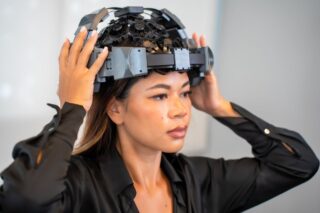




Dr. Majid Fotuhi, MD, PhD, discusses how to drastically improve brain health in 12 weeks as he prepares the publication of his upcoming book, scheduled for March 3, 2026: The Invincible Brain: The Clinically Proven Plan to Age-proof Your Brain and Stay Sharp for Life.
Cognitive decline is widely assumed to be inevitable with aging, but emerging evidence from clinical neurology and neuroimaging challenges this belief. Dr. Majid Fotuhi—neurologist, researcher, and leading specialist in memory disorders—presents compelling data showing that targeted, personalized lifestyle interventions can reverse structural brain atrophy and improve cognitive performance within 12 weeks. His integrated program is grounded in 35+ years of research at Johns Hopkins and Harvard Medical School, offering a clinically actionable model for the prevention and treatment of mild cognitive impairment, early Alzheimer’s disease, ADHD, and persistent post-concussion symptoms.
The Brain’s Capacity for Rapid Regeneration
For decades, neurodegeneration was viewed as a one-way trajectory. Dr. Majid Fotuhi’s clinical data challenge this assumption by demonstrating that structural and functional improvements can occur within a 12-week window. In his integrated brain health program, more than 84% of patients experienced statistically significant gains in processing speed, working memory, attention, and problem-solving on validated, age-adjusted computerized tests.
Neuroimaging corroborates these findings. In a study published in the Journal of Prevention of Alzheimer’s Disease, over half of participants exhibited a 3% increase in hippocampal volume—a structural change equivalent to making the brain “approximately three years younger.” This improvement aligns with known mechanisms: aerobic exercise upregulates BDNF, enhances angiogenesis, and improves cerebral perfusion; targeted stress-reduction techniques reduce cortisol-mediated hippocampal injury; and structured cognitive training drives synaptic strengthening and dendritic branching.
“Certain lifestyle choices shrink our brain, whereas other lifestyle choices actually grow the parts of our brain that are important for cognitive functions,” Dr. Fotuhi notes.
For clinicians, these findings underscore the importance of multimodal lifestyle interventions as first-line therapies for patients presenting with early cognitive decline, persistent post-concussion symptoms, or preclinical Alzheimer’s disease. Rapid, measurable neurologic improvement—once considered improbable—is now demonstrably achievable.
Try the Brain Fitness Calculator to get your results.

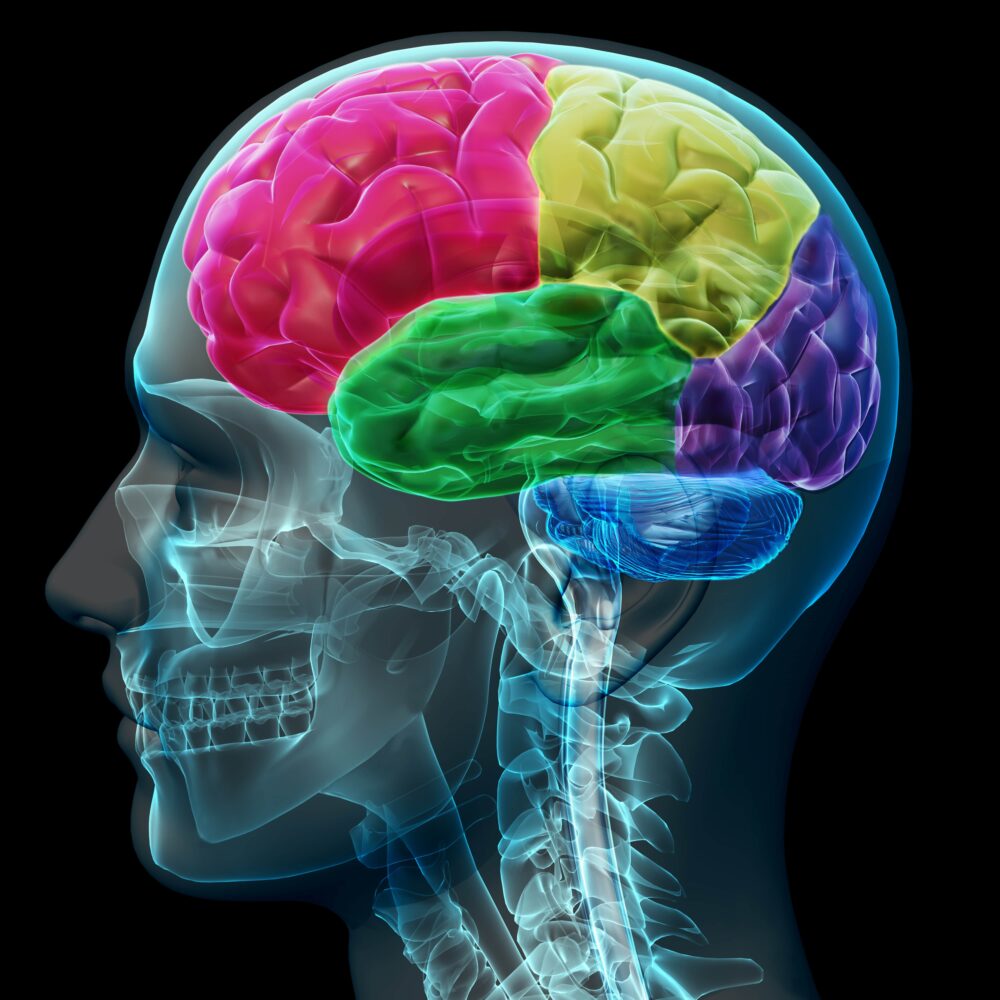
Alzheimer’s as a Multifactorial, Modifiable Condition
The conventional paradigm of Alzheimer’s disease focuses heavily on amyloid plaques and tau tangles. While these proteins remain central, Dr. Fotuhi emphasizes that most patients present with a “soup of problems”—a convergence of inflammatory, metabolic, vascular, and sleep-related contributors that collectively determine disease trajectory.
Untreated sleep apnea alone can trigger up to 18% brain volume loss through intermittent hypoxia, vascular dysregulation, and neuroinflammation. Chronic stress elevates cortisol, selectively damaging hippocampal neurons. Diets high in trans fats accelerate cortical thinning and metabolic impairment. These factors often coexist with amyloid and tau pathology, amplifying clinical expression of cognitive decline.
Crucially, many of these drivers are reversible. Walking 5,000 steps/day has been shown to reduce tau levels by 40%, while 10,000 steps/day correlates with a 50% reduction in Alzheimer’s risk—a therapeutic effect greater than any FDA-approved pharmacologic option. Blood-based biomarkers for amyloid and tau, now widely available and insurance-covered for symptomatic patients, enable earlier detection and more personalized risk-reduction strategies.
“Western European nations with more physically active populations have seen a 20% decline in Alzheimer’s incidence; the Framingham study showed a 13% U.S. decline,” he explains.
For clinicians, this expanded framework encourages a broad differential. Alzheimer’s is not a single-etiology disease; it is the downstream result of complex, modifiable biological stressors. Effective treatment demands equally multifaceted interventions.
The Five Pillars of Brain Health in Clinical Practice
Dr. Fotuhi’s program is built on five core lifestyle domains—exercise, diet, sleep, stress reduction, and brain training. Yet, its success lies in personalization. Patients differ widely: one may primarily need treatment for sleep apnea, another targeted stress management, another structured cognitive challenge.
“Every patient is unique… The five pillars are the major principles, but I tailor the interventions for the issues each person has,” he emphasizes.
Exercise remains the most potent single intervention, improving cerebral blood flow, reducing neuroinflammation, and suppressing tau phosphorylation. Nutritional changes—particularly eliminating processed foods and trans fats—protect against cortical and hippocampal atrophy. Sleep optimization reduces glymphatic clearance impairment, while stress-reduction practices such as the 6-3-6 slow-breathing technique have been shown in placebo-controlled studies to increase hippocampal and cortical thickness through enhanced parasympathetic activity.
Brain training reinforces executive circuits, stimulates neurogenesis, and helps patients cultivate a growth mindset—critical for adherence and long-term cognitive resilience. By assessing each patient’s biological vulnerabilities through lab testing, symptom profiling, and (when available) neuroimaging, clinicians can deliver a targeted, high-yield intervention plan that meaningfully reverses early cognitive decline.
Soup of Problems Be Gone
Dr. Fotuhi’s work signals a pivotal shift in how clinicians approach cognitive decline, demonstrating that brain aging is far more modifiable than once believed. By addressing the multifactorial “soup” of metabolic, vascular, inflammatory, and lifestyle drivers, patients can achieve measurable cognitive gains and even structural hippocampal growth within weeks.
For medical professionals, this underscores the value of early, personalized interventions that incorporate sleep optimization, exercise, nutrition, stress reduction, and cognitive training. Emerging tools such as tau/amyloid blood biomarkers and validated computerized testing further support proactive detection and tailored care. Ultimately, his findings highlight a compelling opportunity to move from managing dementia to actively preserving lifelong brain health.